Rolls-Royce Recycles Fighter Jets: 3D Printing Sustainable Engine Parts
Rolls-Royce Reuses Old Fighter Jets for 3D-Printed Engine Parts Rolls-Royce Gives Old Fighter Jets a New Life What happens to old fighter jets when they’re no longer in service? They often end up scrapped. But Rolls-Royce, the famous engine maker, is doing something different. They’re taking parts from retired British fighter jets and using them […]

Rolls-Royce Gives Old Fighter Jets a New Life
What happens to old fighter jets when they’re no longer in service? They often end up scrapped. But Rolls-Royce, the famous engine maker, is doing something different. They’re taking parts from retired British fighter jets and using them to create new engine components using 3D printing.
Turning Scrap into Something Special
Imagine metal from a powerful fighter jet engine being melted down and transformed. This isn’t science fiction. Rolls-Royce is using advanced technology to achieve this. They’re taking materials from jets like the Tornado and Harrier and giving them a new life in modern engines.
Why is This Important?
This process offers several advantages:
- Sustainability: Reusing materials is much better for the environment than creating new ones. It reduces the need for mining and processing raw materials.
- Cost Savings: Recycling existing materials can be cheaper than buying brand new ones.
- Innovation: This project is pushing the boundaries of 3D printing and aerospace manufacturing.
The Magic of 3D Printing
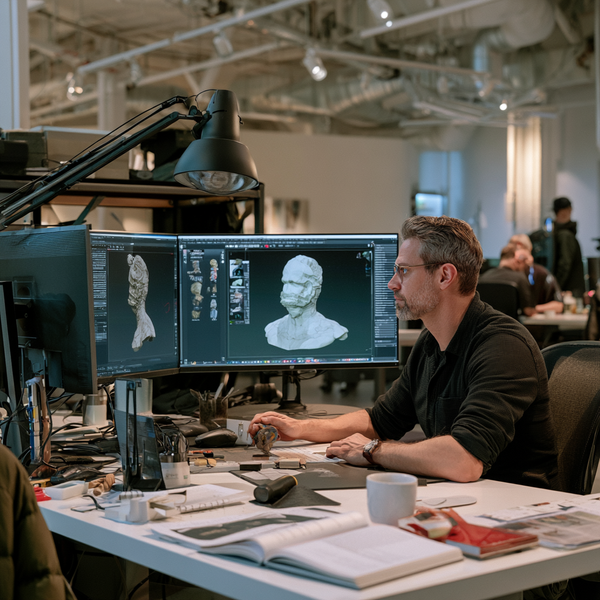
The key to this process is 3D printing, also known as additive manufacturing. Instead of carving a part out of a solid block of metal, 3D printing builds it up layer by layer. This allows for more complex designs and less waste.
Here’s how it generally works:
- The fighter jet parts are broken down.
- The metal is melted into a powder.
- A 3D printer uses a laser to fuse the powder, layer by layer, according to a digital design.
- The finished part is then inspected and tested.
What Kind of Engine Parts?
Rolls-Royce isn’t making entire engines from recycled jet parts. Instead, they’re focusing on specific components. These might include turbine blades, combustor parts, or other intricate pieces that benefit from the precision of 3D printing.
A Boost for Aerospace Manufacturing
This project is more than just recycling; it’s about advancing aerospace manufacturing. By using 3D printing and recycled materials, Rolls-Royce is showing how the industry can become more sustainable and efficient.
Think about it: future aircraft engines could be partially made from the remnants of past generations of aircraft. This closes the loop, reducing waste and making the industry more environmentally friendly.
The Future of Flight
This approach has the potential to change how aircraft engines are made. It could lead to lighter, more efficient engines that are also more sustainable. It aligns well with the growing focus on reducing the environmental impact of air travel. It also represents a creative solution to supply chain challenges and the rising cost of raw materials.
More Than Just Engines
The technology used in this project could have wider applications beyond aerospace. It could be used in other industries that rely on precision manufacturing and high-performance materials, such as energy, automotive, and medical devices.
Frequently Asked Questions
Q: What types of fighter jets are being used?
A: Rolls-Royce is using parts from retired British fighter jets, including the Tornado and Harrier.
Q: Is 3D-printed metal as strong as traditionally manufactured metal?
A: Yes, when done correctly. 3D-printed parts undergo rigorous testing to ensure they meet the required strength and durability standards.
Q: Will this make air travel cheaper?
A: While it’s unlikely to drastically reduce ticket prices, it could help lower manufacturing costs for engine components in the long run, potentially contributing to more affordable air travel.
A Greener Future for Air Travel
Rolls-Royce’s innovative approach to reusing materials from retired fighter jets is a great example of how technology can be used to create a more sustainable future. By embracing 3D printing and creative recycling methods, the aerospace industry can reduce its environmental impact and develop more efficient and cost-effective solutions. For more innovative gadgets and clever uses of technology, check out the amazing collection of travel gadgets at Mavigadget: Mavigadget Travel Gadgets.
“`
Filed under
Written by
Cloe
Tech & Gadgets, MaviGadget
Cloe writes for the MaviGadget Journal, testing the gadgets that promise to change your day and reporting honestly on the ones that actually do.