Tech & Gadgets
How Smart Devices Can Help You Work More Efficiently

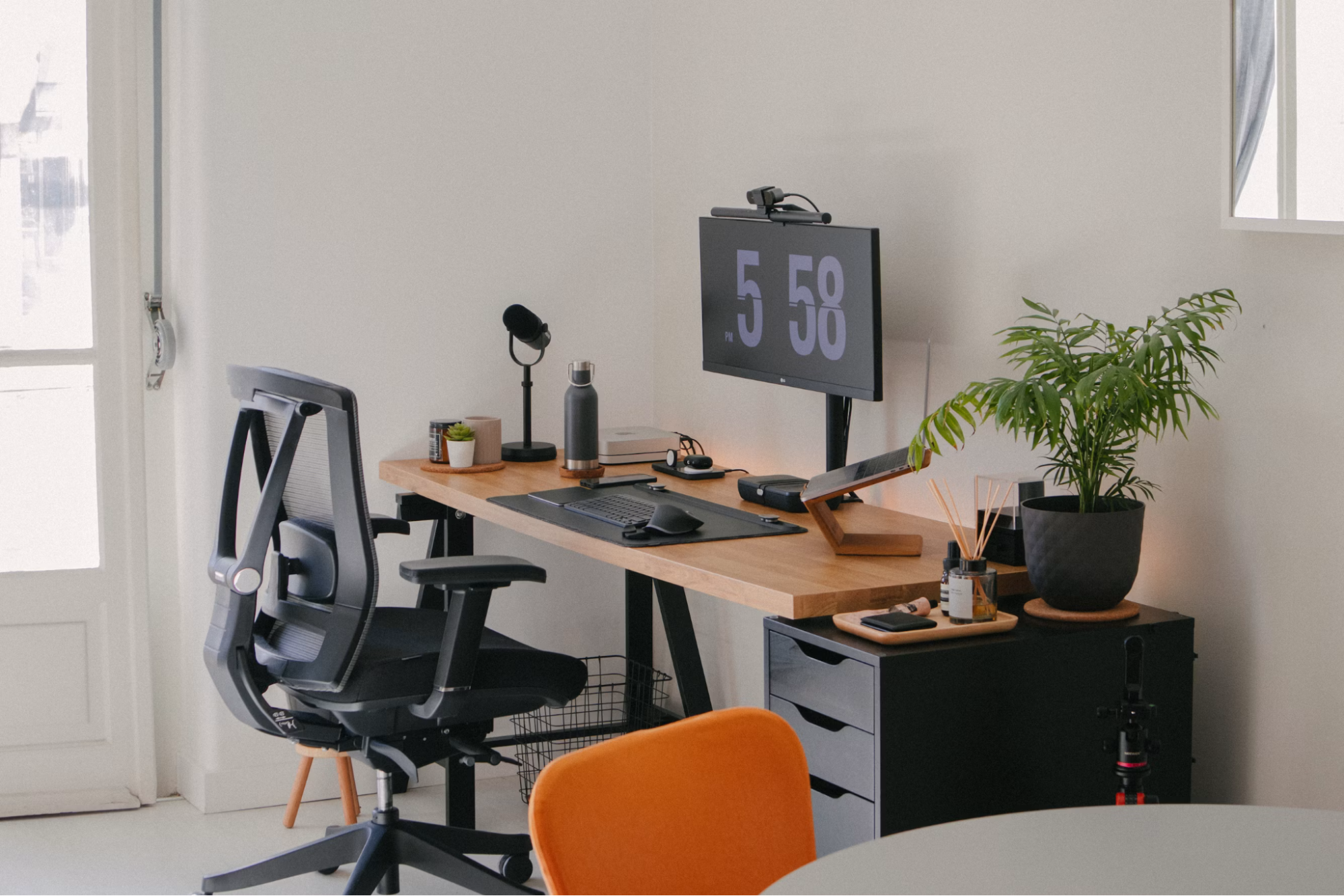
Image Credit: Unsplash
These days, we're always connected, and your smart devices can either pull you in a million directions or become your secret weapon for getting things done. The trick is to stop just consuming and start actively making your gadgets work for you. This guide will show you how to use smart tech to smooth out your workflow, zero in on what matters, and achieve more every day.
Wearables for Workflow Optimisation
Your smartwatch or fitness tracker does more than just count steps. It's like a mini command centre on your wrist, designed to cut through all the digital noise. Instead of grabbing your phone every time it buzzes, you can quickly check notifications right from your watch, only responding to what's truly urgent. This simple habit keeps you focused and stops you from constantly switching gears.
You can also use your wearable to set silent, vibrating alarms for focused work blocks, like with the Pomodoro Technique. A gentle buzz on your wrist is much less jarring than a loud alarm, helping you move smoothly from one task to the next. Plus, keeping an eye on your sleep and activity levels gives you useful info about how your physical health affects how sharp your mind is. Research into wearable tech's impact on efficiency shows how it helps reduce stress and boost your overall output.
Smart Home Tech for Focus
The space you work in makes a huge difference in how well you can concentrate. Smart home tech lets you build an environment that's perfect for deep work. For example, you can set smart lights to shine a cool, blue-toned light during work hours to keep you alert, then switch to warmer, softer tones in the evening to help you wind down.
Smart speakers are great for hands-free help. You can dictate notes, set reminders, or start a focus playlist without ever touching your phone. And smart plugs can automatically turn off things that might distract you, like the TV, during your dedicated work times. These small tweaks are key to improving workflow with smart office technology, helping you create a system that supports your goals.
Scaling Efficiency with AI Strategy
While personal gadgets can give individuals a boost, businesses looking to significantly improve productivity need a more connected plan. Bringing smart devices and automated systems into a whole organisation needs a clear strategy. Without one, you might end up with a messy system where different technologies don't talk to each other, creating more headaches instead of making things simpler.
Having a unified AI strategy makes sure every piece of tech serves a bigger purpose, from automated inventory to AI-powered customer service bots. For many businesses, figuring all this out can be tricky. That's often where AI strategy consulting services for mid-size companies can add value by helping businesses develop a clear roadmap that aligns AI adoption with operational needs, long-term goals, and existing technology.
Automating Tasks with Gadgets
Real productivity isn't just about working harder; it's about getting rid of those tasks you do over and over. Services like IFTTT (If This Then That) let you set up powerful automations, or "applets," that link your different apps and devices. These simple "if/then" commands can save you hours every week.
For instance, you could create an applet that automatically saves work-related email attachments to a specific cloud folder. Another could log your work hours in a spreadsheet whenever your phone connects to your office Wi-Fi. You can even set up a routine where your smart coffee machine starts brewing the second you turn off your morning alarm. By finding and automating these small, regular tasks, you free up your brainpower for more important work.
Measuring Your Productivity Gains
How do you know if your new tech setup is actually doing its job? The answer is in the data. Many apps and devices come with built-in analytics that show you clearly how you're spending your time. Your smartphone's screen time report can point out which apps are eating up most of your time, while time-tracking apps can give you a detailed breakdown of your workday.
Look at this data every week to spot patterns. Are you spending less time on distracting social media? Are your focused work sessions getting longer? Use these numbers to fine-tune your system. If you notice a particular app is still a big distraction, you might set stricter limits or find a different way to work that doesn't involve it. This data-driven approach turns productivity from a vague idea into something you can actually measure.
Ultimately, smart devices are just tools. By using them on purpose to automate tasks, block out distractions, and create a focused environment, you can turn them from time-wasters into powerful engines for getting things done efficiently.
Written by
Cloe
Tech & Gadgets, MaviGadget
Cloe writes for the MaviGadget Journal, testing the gadgets that promise to change your day and reporting honestly on the ones that actually do.


