
Not finding it? Let the Gift Finder drive
4 quick questions, and it narrows everything here to the things they’d actually keep.


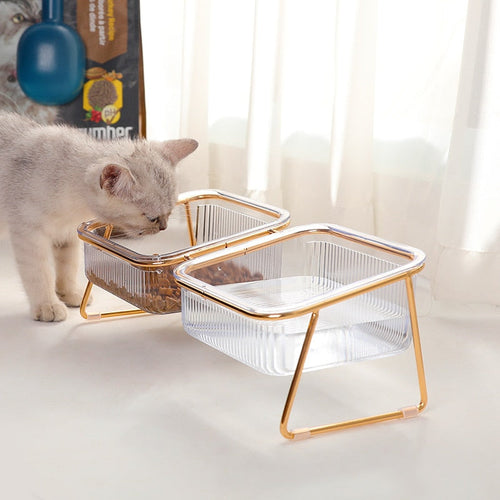
About Pet Food & Water Bowls
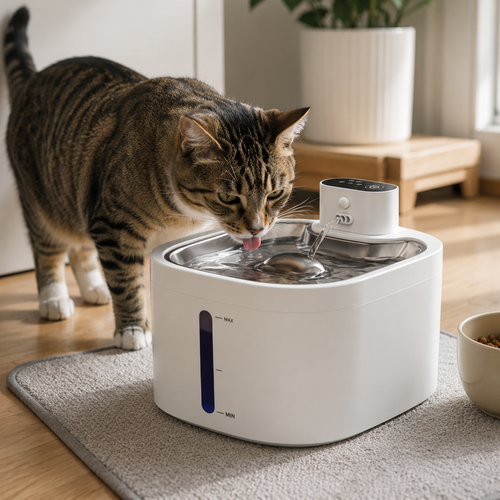
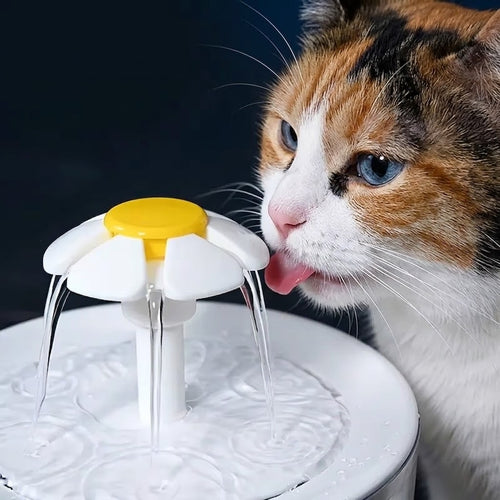
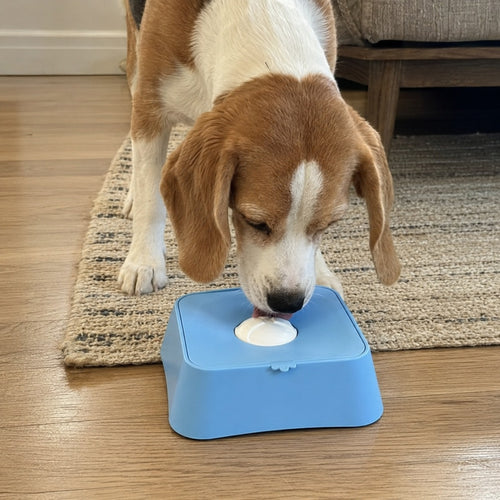
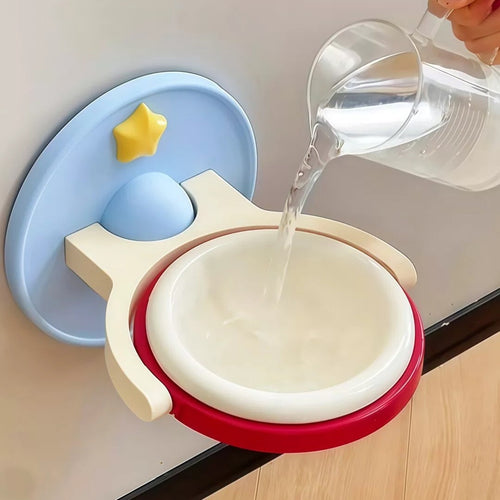
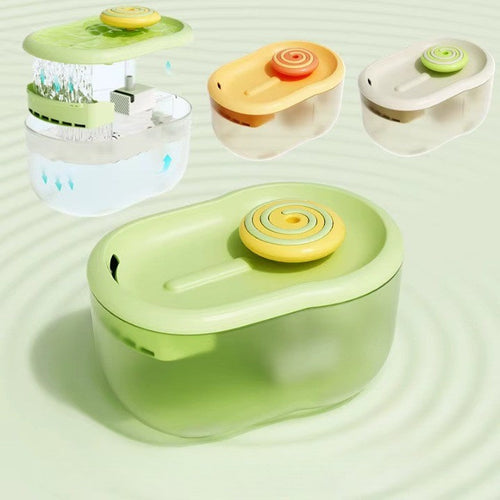
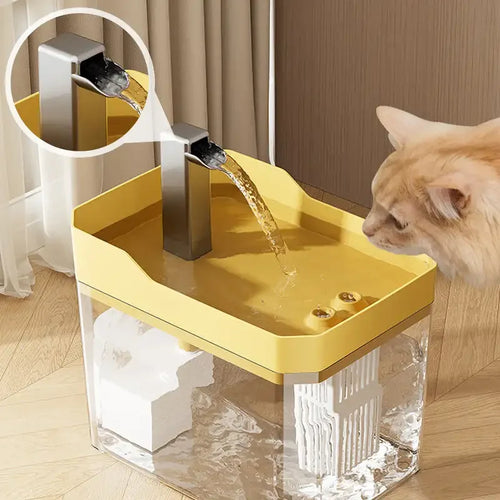
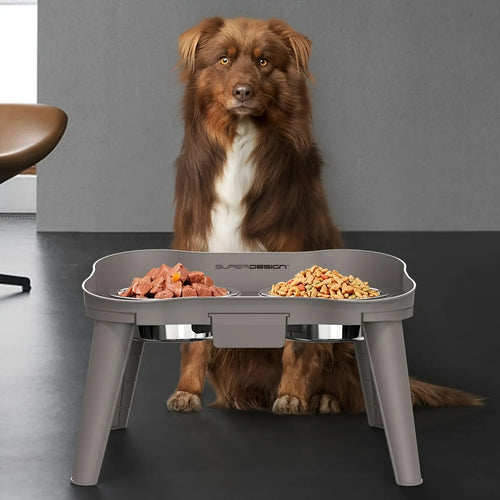
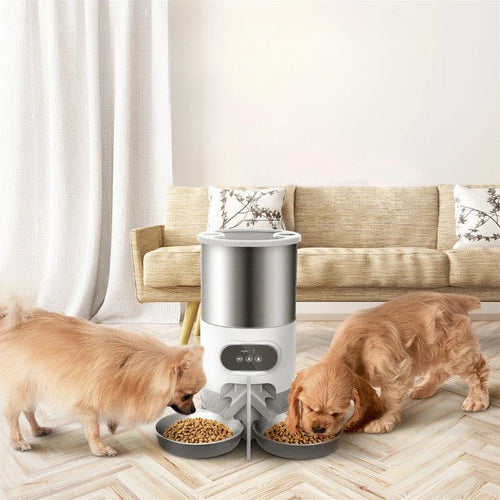
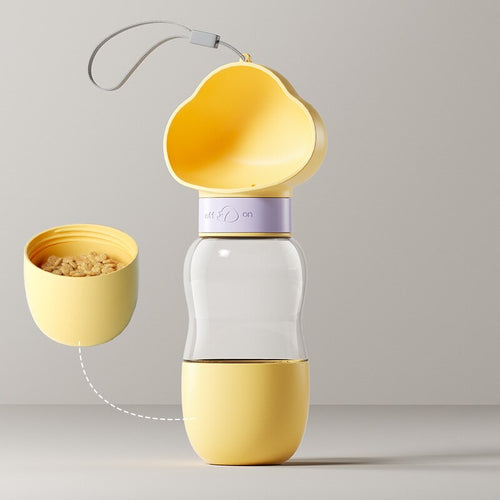
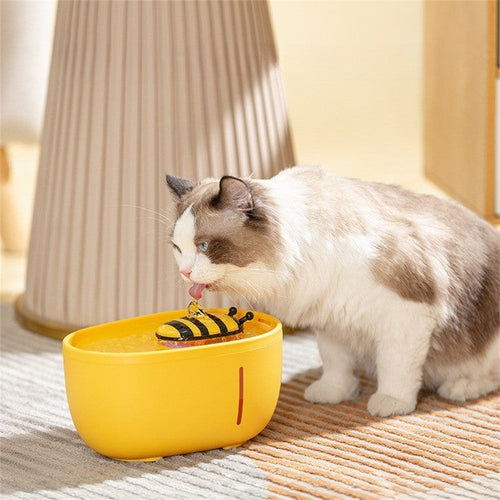
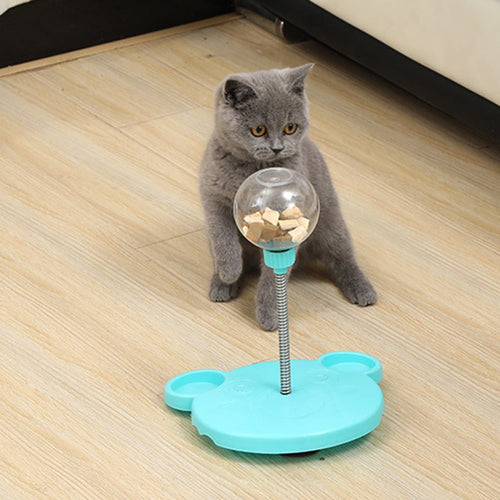
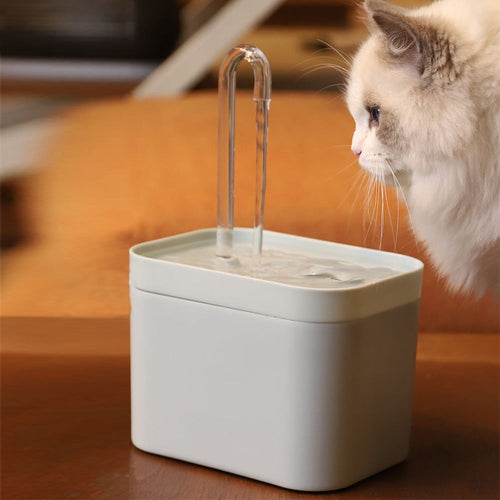
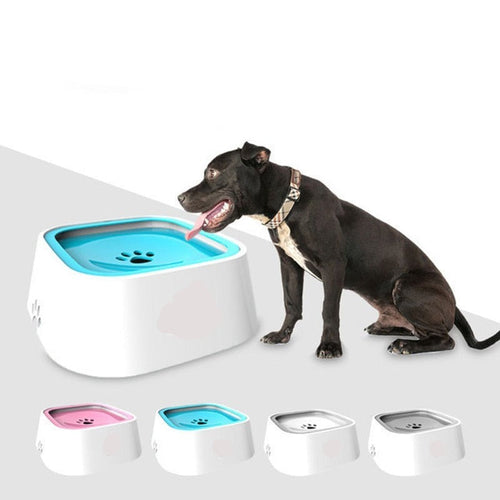
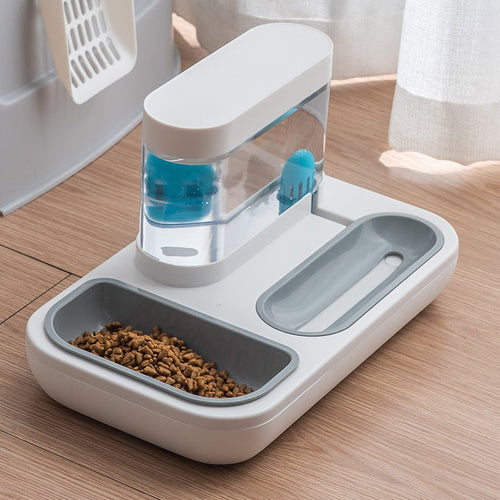
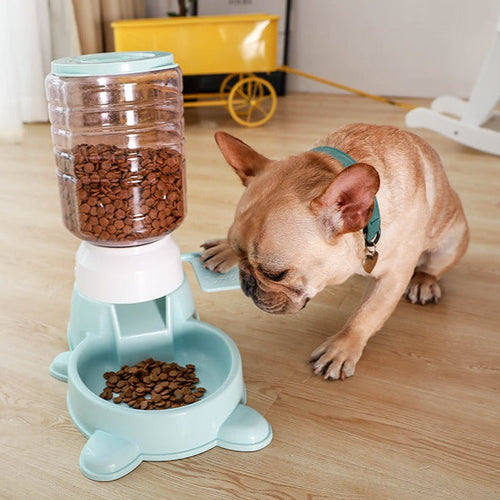
The range covers every feeding setup. Plain stainless and ceramic bowls that wipe clean and don't hold odors the way plastic does. Slow-feeder bowls with ridges and mazes that force a dog to work for each bite, which cuts bloat and vomiting in fast eaters. Raised stands that bring the bowl up for tall dogs and stiff older joints. Automatic feeders that portion meals on a timer when you're out. Water fountains that keep water moving, which tempts fussy cats to drink more. Plus travel bowls that fold flat and anti-spill mats that catch the splashing. Because we put competing brands in one view, you compare the versions side by side and choose on merit.
One honest warning: raised bowls are not right for every dog. Raised feeders help tall breeds and arthritic pets eat in comfort, but for some large, deep-chested breeds there is a real concern that eating high may raise bloat risk. The evidence is mixed, so check with your vet for a big-chested dog before you raise the bowl, rather than assuming higher is always better. And slow feeders only help if the maze actually matches your dog; a too-easy pattern changes nothing.
Material and stability decide daily life with a bowl. Thin stainless slides across the floor and gets chased around the kitchen, light plastic gets flipped, and a cheap fountain pump whines or clogs with hair. Favor a weighted base or a non-slip ring, stainless or glazed ceramic over bare plastic, and a fountain with a filter that's easy to find. Scan reviews for pump noise, tipping and chin-acne complaints.
Prices run from a few dollars for a single bowl to more for a programmable feeder or a filtered fountain. The rating tells you more than the tag. Sort by it, read the breed-matched and pump-noise reviews, and the gear worth owning is easy to spot. Most items ship free and move within a day.
Common questions
Do slow-feeder bowls actually help a fast eater?
Yes, a slow-feeder bowl with ridges or a maze forces a dog to eat around obstacles, which paces the meal and cuts the gulping that leads to bloat and vomiting. The catch is matching the difficulty to your dog, since a too-easy pattern changes little. Reviews flag whether a feeder genuinely slowed eating for a similar-size dog.
Are raised pet bowls good or bad?
It depends on the dog. Raised bowls ease eating for tall breeds and stiff older joints, but for some large, deep-chested breeds there is a real concern that eating high may raise bloat risk, and the evidence is mixed. Check with your vet before raising the bowl for a big-chested dog rather than assuming higher is better.
What material is best for pet food and water bowls?
Stainless steel and glazed ceramic beat plastic for most pets. They wipe clean, resist scratches that trap bacteria, and don't cause the chin acne that plastic can trigger in cats. If you choose ceramic, make sure the glaze is intact, and look for a weighted base or non-slip ring so the bowl stays put.
Do pet water fountains get cats to drink more?
Often, yes. Many cats prefer moving water and drink more from a fountain than a still bowl, which helps with hydration and urinary health. The trade-off is upkeep: the pump needs cleaning and the filter needs replacing, or it gets noisy and slimy. Pick a quiet pump with easy-to-find filters and check reviews for noise.
Do these ship fast?
Yes, shipping is free and most orders move within a day.
- A deep range of pet bowls and feeders across multiple brands
- Verified ratings and real reviews on every product
- Stainless, ceramic, slow feeders and raised stands
- Automatic feeders and quiet water fountains
- Reviews flag pump noise and bowl stability
- Non-slip bases and travel-friendly folding bowls
- Free shipping, most orders out within a day
