How to Travel with a Baby, Stress-Free: Your Step-by-Step Guide
How to Travel with a Baby: Your Essential Step-by-Step Guide How to Travel with a Baby: Your Essential Step-by-Step Guide Traveling with a baby might seem like a huge challenge, but it doesn’t have to be. With the right preparation and mindset, you can enjoy adventures with your little one, whether it’s a short road […]

How to Travel with a Baby: Your Essential Step-by-Step Guide
Traveling with a baby might seem like a huge challenge, but it doesn’t have to be. With the right preparation and mindset, you can enjoy adventures with your little one, whether it’s a short road trip or a long-haul flight. This guide will walk you through everything you need to know, helping you feel confident and prepared for your next journey.
Quick Summary: Making Travel with Baby Smooth
- Plan Ahead Thoroughly: Early booking, packing lists, and understanding your baby’s routine are crucial.
- Pack Smart and Light: Focus on essentials and comfort items, leaving unnecessary bulk behind.
- Embrace Flexibility: Be ready to adapt schedules and expectations; a calm parent makes for a calm baby.
Step-by-Step Instructions: How to Travel with a Baby Like a Pro
Step 1: Plan Your Trip Wisely
The foundation of successful baby travel is thoughtful planning. Start early to avoid last-minute stress.
-
Choose Your Destination and Timing Carefully:
Consider your baby’s age and temperament. Shorter trips might be better for newborns. Try to travel during your baby’s usual sleep times if possible, especially for flights or long drives.
-
Book Accommodations and Transport Early:
When booking flights, consider direct routes to minimize transitions. For hotels, ask about cribs, high chairs, and baby-friendly amenities. If driving, ensure your car seat is installed correctly and your vehicle is well-maintained.
-
Consult Your Pediatrician:
Before any major trip, especially international travel, talk to your baby’s doctor. Discuss necessary vaccinations, common travel illnesses, and get advice on managing time zone changes or altitude sickness.
-
Review Airline Policies (if flying):
Every airline has different rules for infants, car seats, strollers, and baggage. Understand their policies on lap infants versus purchasing a seat, and what items can be gate-checked.
Step 2: Pack Smart and Efficiently
Overpacking is a common mistake. Focus on essentials and items that provide comfort and familiarity.
-
Create an Organized Packing List:
Divide your list into categories: feeding, sleeping, changing, clothing, first aid, and entertainment. Pack enough for potential delays, especially diapers and formula/food.
-
The Diaper Bag is Your Lifeline:
This should contain immediate necessities:
- Plenty of diapers and wipes (more than you think you’ll need).
- Changing pad.
- Plastic bags for dirty diapers or clothes.
- Hand sanitizer.
- At least two changes of clothes for baby (and a spare shirt for you!).
- Formula/breast milk/baby food, bottles, and feeding supplies.
- Small, familiar toys or books for entertainment.
- Pacifiers or comfort items.
- Basic medications (fever reducer, saline drops, thermometer).
-
Consider Baby Gear:
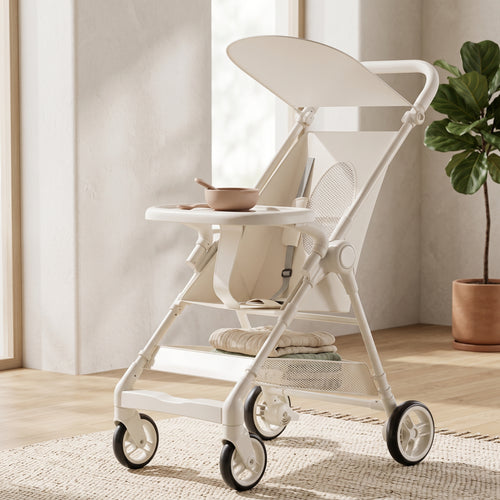
Decide whether to bring a stroller, car seat, or baby carrier. A lightweight stroller or a comfortable carrier can be invaluable. Some airlines allow gate-checking strollers and car seats for free.
-
Pack Snacks and Hydration:
Even if you’re breastfeeding, having snacks for yourself is important. For older babies, pack easy-to-eat, non-messy snacks. Don’t forget water bottles for everyone.
Step 3: Master the Journey Itself
Whether by car or plane, strategic maneuvers can make the travel day much smoother.
-
For Air Travel:
- Airport Check-in and Security: Arrive early. Know that liquids for babies (formula, breast milk, juice) are exempt from the 3-1-1 rule, but inform TSA.
- Boarding: Many airlines offer pre-boarding for families with young children. Take advantage of this to get settled without feeling rushed.
- During Takeoff and Landing: Offer a bottle, pacifier, or breastfeed to help your baby equalize ear pressure. The sucking motion is very effective.
- Keep Moving: If possible, walk your baby in the aisles occasionally to stretch their legs and change scenery.
-
For Car Travel:
- Schedule Drives Around Naps: Aim to hit the road when your baby usually sleeps to maximize quiet travel time.
- Take Frequent Breaks: Stop every 2-3 hours to get your baby out of the car seat for a stretch, diaper change, and feeding. This is good for adults too!
- Entertainment in the Car: Attach soft toys to the car seat. Sing songs, talk, or play gentle music. Avoid screen time for very young babies.
- Car Seat Safety: Always ensure your baby is securely fastened in their car seat according to manufacturer instructions. Never leave a baby unattended in a car.
Step 4: Keep Baby Happy and Healthy During Travel
Maintaining some semblance of routine and providing comfort are key.
-
Maintain Routines (as much as possible):
While flexibility is important, try to stick to feeding and sleeping schedules as closely as you can. This provides predictability for your baby.
-
Provide Comfort and Entertainment:
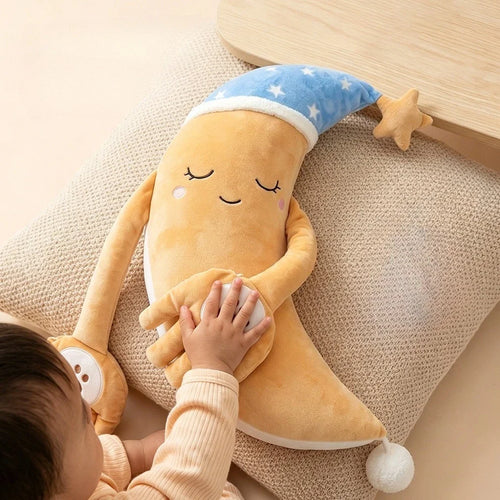
Bring familiar blankets, soft toys, or a favorite lovey. New, small toys can also offer a distraction. Interact with your baby frequently – talk, sing, and play simple games.
-
Deal with Meltdowns Gracefully:
Babies cry, especially when tired, hungry, or overstimulated. Take a deep breath. Try to identify the cause (diaper, hunger, overtiredness). A change of scenery, a walk, or a quiet cuddle can help.
-
Stay Hydrated:
Offer breast milk, formula, or water regularly to prevent dehydration, especially in dry airplane cabins.
Step 5: Ensure Safety and Health at Your Destination
Once you arrive, a few steps can make your stay much safer and more relaxing.
-
Baby-Proof Your Space:
Upon arrival, quickly scan your hotel room or rental for potential hazards. Cover outlets, move small choking hazards, block stairs, and secure blinds cords. Travel baby gates or outlet covers can be useful.
-
Set Up a Safe Sleep Environment:
If using a travel crib, ensure it’s properly assembled and has a firm mattress. Always follow safe sleep guidelines: baby on their back, in an empty crib without bumpers, loose bedding, or toys.
-
Have a First-Aid Kit Handy:
Beyond the basics in your diaper bag, have a more comprehensive kit with children’s pain reliever, antiseptic wipes, bandages, oral rehydration salts, and any prescribed medications.
-
Know Local Emergency Numbers:
Familiarize yourself with local emergency services and the location of nearby hospitals or clinics.
Tips & Common Mistakes When Traveling with a Baby
Helpful Tips for Smooth Travel:
- Be Flexible: Plans will change. Your baby might not sleep on cue, flights might be delayed. A relaxed attitude helps everyone.
- Ask for Help: Don’t hesitate to ask flight attendants for hot water, or family members for an extra hand. Most people are understanding and willing to assist.
- Pack Light (but Smart): Resist the urge to pack “just in case” items that add unnecessary weight. You can buy many things at your destination if truly needed.
- Consider a Practice Run: If your baby hasn’t traveled much, a short local trip can help both of you get used to being away from home.
- Utilize Technology: Apps for white noise, quiet games, or even tracking feeding times can be useful.
Common Mistakes to Avoid:
- Over-scheduling: Trying to pack too many activities into one day can lead to an overtired and cranky baby (and parents!).
- Forgetting Comfort Items: Leaving behind a favorite toy or blanket can disrupt your baby’s sense of security.
- Ignoring Your Own Needs: Remember to eat, drink water, and rest when you can. A well-rested parent is better equipped to handle challenges.
- Being Rigid with Routines: While routines are good, sometimes you just need to go with the flow. Don’t stress if a nap is missed or a feeding is a little late.
- Not Packing Enough Snacks/Diapers: Delays happen. Always have extra supplies in your carry-on or immediate access bag.
Key Takeaways for How to Travel with a Baby
Traveling with a baby is an adventure that becomes much easier with careful planning and a flexible mindset. Remember to:
- Prepare thoroughly by planning your journey and packing essentials.
- Adapt to your baby’s needs and be ready to adjust your schedule.
- Prioritize safety, health, and comfort for everyone involved.
- Embrace the journey and create lasting memories with your little one.
Frequently Asked Questions
What is the easiest way to travel with a baby?
The easiest way to travel with a baby involves significant pre-planning and a flexible attitude. This means booking direct flights or planning car trips around nap times, packing smart (focused on essentials), and being prepared to adjust your schedule on the fly. Keeping your baby fed, comfortable, and entertained is key to a smooth journey.
How long does it take to prepare to travel with a baby?
Preparation for traveling with a baby can start weeks or even months in advance, especially for longer trips. This includes researching destinations, booking flights/accommodation, consulting your pediatrician, and gradually assembling your packing list. The more you plan ahead, the less rushed and stressed you’ll feel closer to your departure date.
What are the absolute essentials when traveling with a baby?
The absolute essentials when traveling with a baby include a plentiful supply of diapers and wipes, formula or breast milk and feeding supplies, at least two changes of clothes for the baby (and one for you), any necessary medications, a comfort item (like a favorite blanket or toy), and documentation (birth certificate, passport if international). Keeping these items easily accessible in a well-organized diaper bag is crucial.
Traveling with your baby opens up new experiences and creates incredible family memories. By following these steps, you’re well on your way to a smoother, happier journey. Enjoy the adventure!
Looking for more inspiration? Explore the full Mavigadget Gift Ideas Collection for creative solutions.
Filed under
Written by
Kevin
Baby & Kids, MaviGadget
Kevin writes for the MaviGadget Journal, testing the gadgets that promise to change your day and reporting honestly on the ones that actually do.