Baby & Kids
Peluche Explained: What It Is, Why Kids Love It, and How to Choose
Peluche is the French word for plush, referring to soft, stuffed toys. This guide explains what makes a peluche, its benefits for children, and how to pick a safe, durable one.
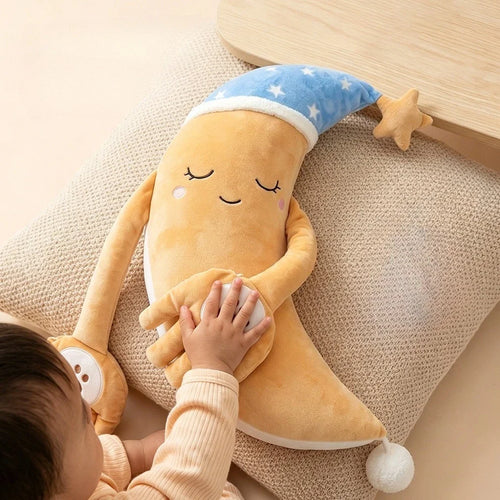
"Peluche" is simply the French word for plush, and it refers to any soft, stuffed toy. These beloved companions are typically made from fabric like polyester and filled with soft material, bringing comfort and joy to children worldwide.
Key takeaways:
- "Peluche" is the French term for a plush toy or stuffed animal.
- They are usually made from soft synthetic fabrics like polyester and filled with fiberfill.
- Peluche toys offer comfort, aid in emotional development, and encourage imaginative play.
- Prioritize safety certifications (CE, ASTM F963), durable stitching, and age-appropriate designs.
What exactly is "peluche"?
"Peluche" is the direct translation of "plush" in French, meaning a fabric with a soft, deep pile, or by extension, a toy made from such a fabric. So, when you hear "peluche," think of a cuddly stuffed animal, a soft doll, or any toy designed for hugging. These toys are distinct from hard plastic or wooden toys because their primary characteristic is their softness and squeezability. The term often evokes a sense of gentle comfort and childhood warmth.
What materials are commonly used to make peluche toys?
Most peluche toys today are crafted from synthetic materials chosen for their softness, durability, and hypoallergenic properties. The most common outer fabric is polyester, which can be woven into various textures like fleece, velour, or faux fur. This material holds up well to play and washing. Inside, the stuffing is almost always polyester fiberfill, which is lightweight, fluffy, and maintains its shape over time. Some premium peluche might incorporate organic cotton or other natural fibers, but polyester remains the industry standard for its practical advantages.
Why are peluche toys so popular with children?
Peluche toys resonate deeply with children for several key reasons. First, they offer tactile comfort; the soft texture is soothing and can reduce anxiety. Second, they provide companionship, acting as silent listeners and loyal friends during playtime or bedtime. Many children develop strong emotional bonds with their peluche, treating them as confidantes. Third, peluche toys are fantastic tools for imaginative play. A child might use their peluche as a baby to care for, a superhero sidekick, or a student in a pretend classroom, fostering creativity and social skills. They also offer a safe way for children to explore emotions, projecting feelings onto their toy.
What are the main benefits of children playing with peluche?
Beyond just fun, peluche toys offer several developmental benefits. They aid in emotional development by providing a safe outlet for children to express feelings like joy, sadness, or anger. Holding a soft toy can be incredibly calming, especially during stressful situations or transitions like starting school. Peluche also supports social skills; children often role-play with their toys, practicing communication, empathy, and problem-solving. Furthermore, they can help with language development as children narrate stories or conversations involving their peluche. For very young children, they can also be a sensory tool, helping them explore different textures and shapes.
How do I choose a safe peluche toy for a child?
Choosing a safe peluche is crucial, especially for infants and toddlers. Always check for safety certifications. In Europe, look for the CE mark, indicating compliance with EU safety standards. In the United States, the ASTM F963 standard is important. These certifications mean the toy has been tested for hazards like small parts, sharp edges, and flammability.
Here are key things to look for:
- Stitching: Ensure all seams are strong and tight. Loose stitching can lead to stuffing coming out, which is a choking hazard.
- Embellishments: For children under three, avoid peluche with small, easily detachable parts like buttons, plastic eyes, or ribbons. Embroidered features are much safer.
- Materials: Opt for hypoallergenic materials. Check the label for washing instructions; toys that can be easily cleaned are more hygienic.
- Size: Make sure the toy is an appropriate size for the child. Very large peluche can pose suffocation risks for infants in cribs.
How do peluche toys differ by age group?
The ideal peluche changes as a child grows.
| Age Group | Key Features | Example Peluche |
|---|---|---|
| 0-12 Months | Soft, no small parts, embroidered features, washable | Small, simple animal shapes, soft rattles |
| 1-3 Years | Durable, slightly larger, still no small parts | Medium-sized animals, simple character dolls |
| 3-6 Years | More detailed, may have plastic eyes/noses, engaging | Favorite cartoon characters, realistic animals |
| 6+ Years & Adults | Collectible, unique designs, novelty, sentimental | Themed plush, limited editions, weighted plush |
For infants, simplicity and safety are paramount. As children get older, they can handle more complex designs and smaller features.
How do you properly clean and care for a peluche?
Proper care extends the life of a peluche and keeps it hygienic. Always check the care label first, as instructions vary.
Here's a general guide:
- Spot Cleaning: For minor dirt, use a damp cloth with a mild soap (like baby shampoo) to gently clean the affected area. Rinse with a clean damp cloth and air dry.
- Machine Washing: Many smaller peluche toys are machine washable. Place the toy in a mesh laundry bag or pillowcase to protect it, and wash on a gentle cycle with cold water and mild detergent. Air dry thoroughly, or tumble dry on the lowest heat setting. Avoid high heat, which can damage synthetic fibers.
- Hand Washing: For delicate or larger peluche that can't go in a machine, hand wash in a basin with cool water and mild soap. Gently squeeze out excess water and air dry.
- Drying: Ensure the peluche is completely dry to prevent mildew. This might take 24-48 hours for larger toys.
Regular cleaning, perhaps once every few months or more if it's a constant companion, helps keep it fresh and free of dust and allergens.
Is a branded peluche worth the extra cost?
Often, yes, a branded peluche can be worth the slightly higher price tag. Brands known for their plush toys, like Jellycat, Gund, or Steiff, typically invest more in quality materials, superior stitching, and rigorous safety testing. This means you're more likely to get a durable toy that withstands years of hugs and play, and one that consistently meets safety standards. Off-brand peluche can be fine, but always inspect it carefully for quality issues and check for relevant safety certifications, as these might be less consistent. For sentimental value or longevity, investing in a reputable brand often pays off.
Written by
Kevin
Baby & Kids, MaviGadget
Kevin writes for the MaviGadget Journal, testing the gadgets that promise to change your day and reporting honestly on the ones that actually do.