Stop the Drip: Your Complete Step-by-Step DIY Faucet Repair Guide
How To Fix a Leaky Faucet Step by Step: Your Easy DIY Guide How To Fix a Leaky Faucet Step by Step: Your Easy DIY Guide A dripping faucet isn’t just annoying; it wastes water, drives up utility bills, and can even stain your sink. The good news is, you don’t always need a plumber […]

How To Fix a Leaky Faucet Step by Step: Your Easy DIY Guide
A dripping faucet isn’t just annoying; it wastes water, drives up utility bills, and can even stain your sink. The good news is, you don’t always need a plumber to stop the leak. Most leaky faucets can be fixed with a few basic tools and a bit of know-how. This guide will walk you through exactly
How To Fix a Leaky Faucet Step by Step
, empowering you to tackle this common household issue yourself.
Get ready to save money, conserve water, and enjoy a drip-free home again!
Quick Summary: Stop Your Leaky Faucet Fast
- Gather Your Tools & Turn Off Water: Before you begin, collect necessary tools and, most importantly, shut off the water supply to the faucet.
- Disassemble & Inspect: Carefully take apart the faucet handle and internal components to find the worn-out part, usually a washer, O-ring, or cartridge.
- Replace & Reassemble: Swap the faulty part with a new one, then put your faucet back together. Turn the water on slowly and test for leaks.
How To Fix a Leaky Faucet Step by Step: A Detailed Tutorial
Fixing a leaky faucet is a satisfying DIY project. Follow these clear instructions to identify and repair the source of the drip.
Step 1: Gather Your Tools and Supplies
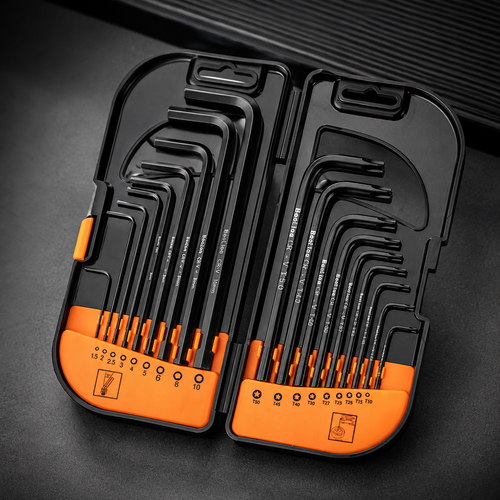
Having everything ready before you start will make the process much smoother. You’ll likely need:
- Adjustable wrench or basin wrench (for harder-to-reach nuts)
- Screwdrivers (Phillips and flathead)
- Pliers
- Rags or towels (to catch drips and protect surfaces)
- Small bucket or container
- Flashlight (to see under the sink)
- Penetrating oil (like WD-40, for stuck parts)
- New replacement parts (washers, O-rings, or a new cartridge – check your faucet’s make and model if possible, or buy a variety pack)
- Plumber’s grease (silicone-based, for O-rings and threads)
Step 2: Turn Off the Water Supply
This is crucial! You don’t want a sudden gush of water while working. Look under the sink for two shut-off valves (one for hot, one for cold). Turn them clockwise until they are completely closed. If you can’t find them or they don’t work, you’ll need to turn off the main water supply to your house. Open the leaky faucet to drain any remaining water from the lines.
Step 3: Prepare the Work Area
Place a towel or rag in the bottom of the sink to protect it from scratches and, more importantly, to prevent small screws or parts from falling down the drain. This simple step can save you a lot of frustration later.
Step 4: Remove Decorative Caps and Faucet Handle
Most faucet handles have a decorative cap (often plastic or metal) on top that hides a screw. Carefully pry off this cap with a flathead screwdriver or your fingernail. Once the cap is off, you’ll see a screw beneath it. Use the appropriate screwdriver (usually Phillips) to unscrew it. Turn counter-clockwise to loosen. Once the screw is removed, you can usually lift the faucet handle straight up and off.
If the handle is stuck, a little penetrating oil applied to the base might help, let it sit for a few minutes.
Step 5: Access the Faucet Mechanism (Stem or Cartridge)
What you see next depends on your faucet type:
- Compression Faucets (Older Style): You’ll see a packing nut at the base of the stem. Use an adjustable wrench to loosen and remove this nut (counter-clockwise). Then, carefully pull out the stem assembly.
- Cartridge Faucets (Common Modern Type): After removing the handle, you might see a retaining clip or nut holding a cylindrical cartridge in place. Remove the clip with needle-nose pliers or unscrew the nut. Then, pull the cartridge straight up and out. Note its orientation before removal!
- Ball Faucets (Single-Handle): These are more complex. After removing the handle, you’ll typically see a cap, collar, and then the ball assembly. This might require a special tool for removal.
- Ceramic Disc Faucets (Newer Single-Handle): Similar to cartridge faucets, you’ll find a ceramic disc cylinder held in place by screws or a retaining nut.
For most common leaks, you’re looking for issues with a compression stem or a cartridge.
Step 6: Identify and Replace the Worn Parts
Once you have the stem or cartridge removed, carefully inspect it for signs of wear and tear:
- Washers: For compression faucets, look at the rubber washer at the bottom of the stem and the O-rings around the stem. These are the most common culprits. They become brittle, cracked, or simply worn flat over time. Replace them with new, identical washers and O-rings. A dab of plumber’s grease on the new O-rings will help them seal better and last longer.
- Cartridge: If you have a cartridge faucet and the leak persists after checking for loose connections, the entire cartridge itself is likely faulty. Take the old cartridge to a hardware store to ensure you get an exact match.
Always replace worn parts with new ones of the same size and material. If parts are difficult to remove, a little penetrating oil can help loosen them.
Step 7: Reassemble the Faucet
Now, carefully reverse the steps you took to disassemble the faucet:
- Insert the new washer(s)/O-ring(s) or the new cartridge into position. Ensure it’s oriented correctly (especially for cartridges).
- For compression faucets, slide the stem back in and tighten the packing nut. Don’t overtighten, but make it snug.
- For cartridge faucets, replace any retaining clips or nuts that hold the cartridge in place.
- Place the faucet handle back on, aligning it correctly.
- Insert and tighten the handle screw.
- Replace the decorative cap.
Step 8: Turn On Water and Test for Leaks
Slowly turn the hot and cold water supply valves back on under the sink. Don’t open them too quickly. Check the faucet for any drips or leaks. Turn the handle on and off a few times, testing both hot and cold water flow. If you still see a drip, you might need to slightly tighten a nut or re-check the installation of a washer. If the leak persists, you might need to re-evaluate the type of faucet and its specific components, or consider professional help.
Tips for a Smooth Faucet Repair & Common Mistakes
Helpful Tips:
- Take Photos: As you disassemble, snap pictures with your phone. They’ll be invaluable when you’re putting everything back together.
- Keep Parts Organized: Lay out parts in the order you removed them.
- Don’t Overtighten: While you want a snug fit, overtightening can strip threads or crack plastic components.
- Use Plumber’s Grease: A small amount of silicone plumber’s grease on O-rings and screw threads will make future repairs easier and improve sealing.
- Bring Old Parts to the Store: If you’re unsure about replacement parts, take the old ones to the hardware store for an exact match.
Common Mistakes to Avoid:
- Forgetting to Turn Off Water: The most common and messiest mistake! Always double-check.
- Losing Small Parts: That’s why covering the drain is so important.
- Not Identifying Faucet Type: Understanding if it’s a compression, cartridge, ball, or ceramic disc faucet helps immensely in getting the right parts.
- Using the Wrong Tools: Can strip screws or damage finishes.
- Not Cleaning Internal Components: Mineral buildup can cause future leaks. Lightly clean any internal parts as you go.
Key Takeaways for How To Fix a Leaky Faucet Step by Step
Successfully learning
How To Fix a Leaky Faucet Step by Step
boils down to a few core principles: always shut off the water, carefully disassemble and reassemble, and replace any worn-out rubber or plastic components. With patience and the right tools, you can easily tackle this common household issue and enjoy a quiet, leak-free faucet once again.
Frequently Asked Questions
What is the easiest way to How To Fix a Leaky Faucet Step by Step?
The easiest way to fix a leaky faucet is by following a clear, step-by-step guide, ensuring you have the right tools, and identifying the worn part (usually a washer, O-ring, or cartridge). The process typically involves turning off the water, disassembling the handle, replacing the faulty component, and reassembling.
How long does it take to How To Fix a Leaky Faucet Step by Step?
For most common faucet types, fixing a leaky faucet can take anywhere from 30 minutes to a couple of hours, depending on your experience level and how easily the parts come apart. Gathering tools and identifying replacement parts might add extra time, especially if you need to visit a hardware store.
What causes a faucet to leak after it’s been fixed?
If your faucet leaks again after being fixed, it could be due to several reasons: the replacement part wasn’t an exact match, a different component (other than the one you replaced) is now failing, internal corrosion or mineral buildup, or simply not tightening components enough (or overtightening them). Sometimes, multiple parts contribute to the leak.
When should I call a professional plumber?
You should call a professional plumber if you’ve followed all the steps and the leak persists, if you encounter unexpected complications (like corroded pipes or broken valves), if you have a very old or complex faucet type you’re unfamiliar with, or if you simply don’t feel comfortable performing the repair yourself.
Conclusion
Congratulations! You now have a comprehensive guide on
How To Fix a Leaky Faucet Step by Step
. Tackling this common problem yourself not only saves you money but also gives you a great sense of accomplishment. Remember, patience is key, and don’t hesitate to refer back to these instructions whenever a drip appears. Enjoy your quiet, efficient, and leak-free home!
Looking for more inspiration? Explore the full Mavigadget Gift Ideas Collection for creative solutions.
Filed under
Written by
Kevin
Tools, Garden & DIY, MaviGadget
Kevin writes for the MaviGadget Journal, testing the gadgets that promise to change your day and reporting honestly on the ones that actually do.