Stop the Drip: How to Fix a Leaky Faucet Yourself
Stop the Drip: How to Fix a Leaky Faucet Yourself Stop That Annoying Drip: A DIY Guide to Fixing a Leaky Faucet That constant drip, drip, drip… it’s more than just annoying. A leaky faucet can waste a surprising amount of water, which means higher water bills. But before you reach for the phone to […]

Stop That Annoying Drip: A DIY Guide to Fixing a Leaky Faucet
That constant drip, drip, drip… it’s more than just annoying. A leaky faucet can waste a surprising amount of water, which means higher water bills. But before you reach for the phone to call a plumber, know that many faucet leaks are simple fixes you can tackle yourself. This guide will walk you through the common causes and how to stop that drip, saving you time and money in the process. We’ll cover everything from identifying the type of faucet you have to replacing worn-out parts. Get ready to become a faucet repair expert!
Identifying Your Faucet Type: The First Step
Before you can fix a leak, you need to know what kind of faucet you’re dealing with. Different faucet types have different internal mechanisms, which means the fix will vary. Here are the most common types:
- Compression Faucets: These are the classic faucets with separate hot and cold handles. You turn the handle to compress a rubber washer against the valve seat, stopping the water flow. Leaks in these faucets often stem from worn-out washers.
- Cartridge Faucets: These faucets have a single handle that controls both water temperature and flow. A cartridge, a plastic or ceramic cylinder, moves up and down or side to side to control the water. Leaks often originate from a faulty cartridge.
- Ball Faucets: Typically found in older homes, ball faucets have a single handle that controls both temperature and flow. They use a ball-shaped component with holes to mix hot and cold water. Internal O-rings and seals often wear out.
- Ceramic Disc Faucets: These are a more modern type, also usually with a single handle. They use two ceramic discs to control water flow. They’re known for their durability, but they can still leak, often due to debris buildup or damage to the discs.
Knowing which type you have is crucial. Examine your faucet closely. Does it have separate handles for hot and cold? Or just one? This initial observation will help you narrow down the possibilities and pinpoint the likely cause of the leak.
Tools You’ll Need: Gather Your Arsenal
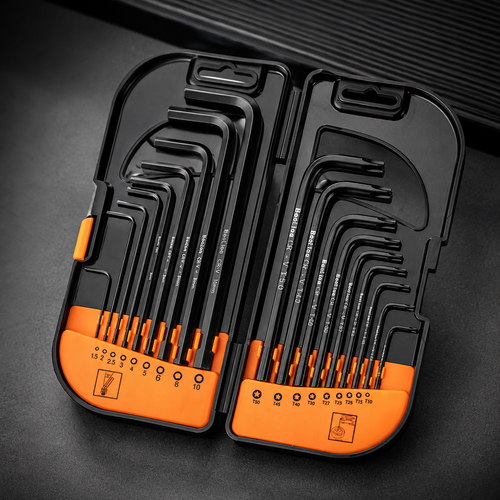
Fortunately, you don’t need a whole workshop to tackle a leaky faucet. Here’s a list of essential tools you’ll probably have on hand or can easily find at your local hardware store:
- Screwdrivers: You’ll need both flathead and Phillips head screwdrivers to remove screws.
- Adjustable Wrench: This is your go-to tool for loosening and tightening nuts and fittings.
- Pliers: Especially helpful for gripping and removing parts.
- Penetrating Oil (like WD-40): Can help loosen stubborn screws or corroded parts.
- Replacement Parts: Washers, O-rings, cartridges, or other components, depending on your faucet type. Take the old parts with you to the hardware store to ensure a perfect match.
- A Small Container or Bowl: To hold small parts and prevent them from getting lost.
- Old Towels: For wiping up spills and protecting your sink.
- Flashlight: Can be very helpful when working in tight spaces under the sink.
- Gloves: To protect your hands.
Before you start, make sure you have all the necessary tools and parts. This preparation will make the repair process much smoother and faster. Many hardware stores even sell faucet repair kits containing commonly needed parts for specific faucet types.
Step-by-Step: Fixing a Leaky Compression Faucet
Let’s start with the most common culprit: the compression faucet. Here’s how to troubleshoot and fix a leaky compression faucet:
- Turn Off the Water: This is the most critical step. Locate the shut-off valves under the sink. Turn both the hot and cold water supply valves clockwise until they are completely closed. If your shut-off valves don’t work, you’ll need to shut off the main water supply to your house, usually located near the water meter.
- Remove the Handle: Use a screwdriver to pry off the decorative cap on the handle. Underneath, you’ll find a screw. Unscrew it and remove the handle.
- Remove the Packing Nut: Using an adjustable wrench, loosen and remove the packing nut that sits below the handle.
- Remove the Stem: Carefully unscrew the stem from the faucet body.
- Inspect and Replace the Washer: At the bottom of the stem, you’ll find a rubber washer. This is the most likely cause of the leak. Remove the old washer and take it to the hardware store to find a replacement of the same size and shape. Replace the old washer with the new one, ensuring it fits snugly.
- Inspect the Valve Seat: The valve seat is the area where the washer sits. Check for any damage, corrosion, or mineral buildup. If the valve seat is damaged, you may need to replace the entire valve seat or use a valve seat wrench to smooth out any rough spots.
- Reassemble the Faucet: Reassemble the faucet in reverse order. Screw the stem back into the faucet body, tighten the packing nut, replace the handle, and secure it with the screw. Replace the decorative cap.
- Turn the Water Back On: Slowly turn the water supply valves counterclockwise to restore the water flow. Check for leaks around the stem and handle.
Troubleshooting Leaks in Cartridge Faucets
Cartridge faucets are a little different, but the process is still manageable. Here’s what to do:
- Turn Off the Water: As before, shut off the water supply under the sink (or at the main).
- Remove the Handle: The handle removal process varies depending on the specific faucet model. Look for a set screw, often hidden under a decorative cap. Loosen or remove the set screw and pull the handle off.
- Remove the Cartridge Retaining Clip/Nut: Cartridge faucets usually have a clip or a nut that holds the cartridge in place. Remove this clip or nut using pliers or an adjustable wrench.
- Remove the Cartridge: Gently pull the cartridge straight up and out of the faucet body. It might require some wiggling or the use of pliers if it’s stuck.
- Inspect the Cartridge: Examine the cartridge for any cracks, tears, or damage. If the cartridge appears worn or damaged, it needs to be replaced.
- Replace the Cartridge: Take the old cartridge to the hardware store to find an exact replacement. Insert the new cartridge into the faucet body, making sure it’s properly aligned.
- Reassemble the Faucet: Reassemble the faucet in the reverse order of disassembly, securing the retaining clip/nut, replacing the handle, and tightening any set screws.
- Turn the Water Back On: Turn the water supply back on and check for leaks around the cartridge.
Addressing Issues in Ball Faucets
Ball faucets often have multiple components that can cause leaks. The repair process is more involved, but still doable. Here’s how to proceed:
- Turn Off the Water: Shut off the water supply as you normally would.
- Remove the Handle: Locate the handle screw and remove the handle.
- Remove the Faucet Cap: Use an adjustable wrench to remove the decorative cap.
- Remove the Ball: Loosen the adjusting ring. Inside the faucet body, you’ll find a ball with a slot. Use a special tool (often included in a repair kit) or a screwdriver to remove the ball.
- Inspect and Replace Parts: Within the faucet body, you’ll find springs, seats, and O-rings. These often wear out. Replace them with new ones from a repair kit. Pay close attention to the orientation of each part during reassembly.
- Reassemble the Faucet: Put the ball back in place, secure the adjusting ring, replace the cap, and tighten the handle.
- Turn the Water Back On: Gradually restore the water supply and check for any leaks.
Ceramic Disc Faucet Repair: A Different Approach
Ceramic disc faucets are usually quite durable, but they can still develop leaks. Here’s how to fix them:
- Turn Off the Water: Shut off the water supply.
- Remove the Handle: Similar to other faucet types, locate and remove the handle screw and handle.
- Remove the Escutcheon: Carefully remove the escutcheon (decorative cover) using a screwdriver if needed.
- Remove the Ceramic Disc Cartridge: Unscrew the retaining nut that holds the ceramic disc cartridge in place. Lift the cartridge out.
- Inspect the Cartridge: Check the cartridge for damage. You can also look for mineral buildup.
- Clean or Replace the Cartridge: If there is mineral buildup, try cleaning the cartridge. If it is damaged, replace it with a new one.
- Reassemble the Faucet: Insert the cartridge, tighten the retaining nut, replace the escutcheon, and reattach the handle.
- Turn the Water Back On: Check for leaks after turning the water supply back on.
Common Leak Causes and Their Solutions
Here’s a quick rundown of the usual suspects and how to fix them:
- Worn Washers: This is the most common problem, especially in compression faucets. Replacing the washer usually solves the issue.
- Worn O-rings: O-rings are small rubber rings that seal various parts. They can wear out over time. Replacing the O-rings is often the fix.
- Corrosion or Mineral Buildup: Mineral deposits can interfere with the smooth operation of your faucet. Cleaning parts or replacing corroded components may be required.
- Damaged Cartridges: Cartridges in cartridge faucets can develop cracks or fail. Replacing the cartridge is the solution.
- Loose Parts: Sometimes, a simple tightening of nuts or screws can fix the leak.
Preventative Measures: Keeping Your Faucet Drip-Free
Preventing leaks is always easier than fixing them. Here are a few things you can do to extend the life of your faucets:
- Avoid Excessive Force: Don’t overtighten handles, as this can damage internal parts.
- Clean Regularly: Wipe down your faucet to prevent mineral buildup.
- Address Leaks Promptly: Even a small drip can lead to bigger problems. Fix leaks as soon as you notice them.
- Consider Water Quality: If you have hard water, consider installing a water softener to reduce mineral buildup.
When to Call a Plumber
While many faucet leaks are manageable, some situations require a professional plumber:
- You’re Uncomfortable: If you’re not comfortable working with plumbing, it’s best to call a plumber.
- Extensive Damage: If the faucet is severely corroded or damaged, or the leak is difficult to diagnose, a plumber can assess the situation and perform more complex repairs.
- Complex Plumbing Issues: If the leak appears to be caused by issues within your pipes rather than the faucet itself, call a plumber.
- Persistent Leaks: If you’ve tried the DIY fixes and the leak persists, it’s time to call in the professionals.
Don’t hesitate to call a professional if you’re unsure about any step or if you’re dealing with a complex plumbing issue.
Wrapping Up: You Got This!
Fixing a leaky faucet can be a rewarding experience. By following these steps, you can often resolve the problem yourself, saving money and gaining valuable DIY skills. Remember to take your time, gather the right tools and parts, and follow the instructions carefully. Don’t be afraid to consult online resources, and if in doubt, don’t hesitate to call a professional. With a little patience and effort, you can conquer that annoying drip and enjoy a smoothly functioning faucet. Happy fixing!
“`
Filed under
Written by
Kevin
Tools, Garden & DIY, MaviGadget
Kevin writes for the MaviGadget Journal, testing the gadgets that promise to change your day and reporting honestly on the ones that actually do.