Silence That Drip: Your 10-Minute Guide to Fixing a Leaking Faucet
How to Fix a Leaking Faucet in Under 10 Minutes: Your Easy DIY Guide How to Fix a Leaking Faucet in Under 10 Minutes: Your Easy DIY Guide There’s nothing quite as irritating as the constant drip, drip, drip of a leaking faucet. It’s not just the noise; it’s wasted water, higher utility bills, and […]

How to Fix a Leaking Faucet in Under 10 Minutes: Your Easy DIY Guide
There’s nothing quite as irritating as the constant drip, drip, drip of a leaking faucet. It’s not just the noise; it’s wasted water, higher utility bills, and potential damage over time. The good news? You can often fix a leaking faucet yourself, and usually in less than 10 minutes! This guide will walk you through the process, helping you silence that drip and restore peace to your home without needing a plumber.
Quick Summary: How to Fix a Leaking Faucet Fast
Ready to tackle that drip? Here’s the gist of how to fix a leaking faucet in under 10 minutes:
- Turn off the water supply and close the drain.
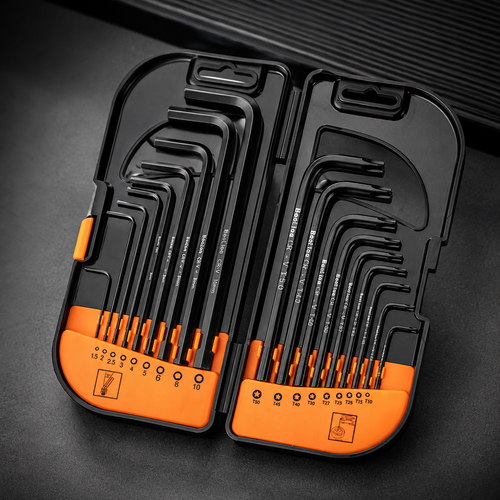
- Gather basic tools like screwdrivers, a wrench, and replacement washers or O-rings.
- Disassemble the faucet handle to access the internal components.
- Replace the worn-out washer or O-ring, which is usually the cause of the leak.
- Reassemble everything and test for leaks.
Step-by-Step Instructions: Fix That Leaking Faucet!
Follow these clear steps to learn how to fix a leaking faucet in under 10 minutes, even if you’re new to DIY.
Step 1: Prepare for Success – Turn Off the Water and Gather Tools
- Turn Off the Water Supply: This is the most crucial first step! Look under your sink for two valves (one for hot, one for cold) connected to the faucet. Turn them clockwise until they are fully closed. If you can’t find individual shut-off valves, you’ll need to turn off the main water supply to your house.
- Close the Drain: Put the sink stopper in the drain. This prevents small parts from falling into the pipes during the repair.
-
Gather Your Tools: You won’t need many, but having them ready saves time.
- Screwdrivers: Both flathead and Phillips, for removing screws.
- Adjustable Wrench: For loosening and tightening nuts.
- New Washers or O-rings: These are usually the culprits. It’s helpful to have a variety pack, or take the old one to the hardware store for an exact match.
- Cleaning Cloth: For wiping up water and grime.
- Penetrating Oil (Optional): If parts are stuck or corroded.
Step 2: Access the Faucet’s Inner Workings
Now, let’s get to the heart of the problem – the part that’s causing the drip.
- Remove Decorative Caps and Handle: Most faucets have a small decorative cap (often plastic, sometimes covering a screw) on top of the handle. Carefully pry it off with a small flathead screwdriver or your fingernail. Once the cap is off, you’ll usually see a screw. Unscrew this screw to remove the handle itself. Set the handle and screw aside safely.
- Unscrew the Stem Nut: With the handle removed, you’ll see the main body of the faucet. There will likely be a large nut (sometimes called a packing nut or retaining nut) that holds the faucet’s internal mechanism (the stem or cartridge) in place. Use your adjustable wrench to carefully loosen and remove this nut. Turn it counter-clockwise.
- Remove the Faucet Stem or Cartridge: Once the nut is off, you can gently pull out the faucet stem (in older faucets) or cartridge (in newer models). This is the part responsible for controlling water flow and where the problematic seal usually sits.
Step 3: Identify and Replace Worn Parts
This is where we fix the leak directly!
-
Examine the Stem/Cartridge for Worn Seals: Look closely at the stem or cartridge you just removed.
- For Stems (older faucets): You’ll typically find a small rubber washer at the bottom and possibly an O-ring (a round rubber seal) or packing material higher up. These are the parts that wear out.
- For Cartridges (newer faucets): The seals are often integrated. You might see several O-rings around the cartridge body.
Identify any rubber washers or O-rings that look cracked, brittle, or flattened. These are your targets.
- Replace the Worn Parts: Carefully remove the old, worn-out rubber washer(s) and O-ring(s). If they’re stuck, a small screwdriver can help to gently pry them off. Take your new, matching replacement washer(s) and O-ring(s) and fit them securely into their proper grooves on the stem or cartridge. If you’re replacing a cartridge, simply replace the entire cartridge with a new, identical one.
- Clean Components: Before reassembling, use your cleaning cloth to wipe down all the faucet parts you’ve removed. Remove any mineral deposits or grime, which can also contribute to future leaks. If parts are corroded, a little white vinegar or lime remover can help.
Step 4: Reassemble and Test
Almost done! Put everything back together carefully.
-
Reassemble the Faucet:
- Gently slide the stem or cartridge (with its new seals) back into the faucet body.
- Hand-tighten the stem nut first, then use your adjustable wrench to tighten it firmly, but don’t overtighten.
- Replace the faucet handle, secure it with its screw, and then snap the decorative cap back on.
- Turn On the Water and Check for Leaks: Slowly turn the hot and cold water supply valves back on (counter-clockwise) under the sink. Turn on the faucet to let air escape, then turn it off. Watch carefully for any drips or leaks around the handle or spout. If you’ve fixed it correctly, the drip should be gone!
Tips & Common Mistakes to Avoid
- Don’t Overtighten: While you want a snug fit, overtightening screws and nuts can strip threads or damage plastic components, leading to bigger problems.
- Match Parts Exactly: Always try to get identical replacement washers, O-rings, or cartridges. Taking the old part to the hardware store ensures a perfect match.
- Work on a Clean Surface: Laying out parts on a clean towel prevents them from rolling away and makes it easier to keep track of everything.
- Know Your Faucet Type: While this guide covers common issues, some faucets (like ceramic disc or ball faucets) have slightly different internal workings. If your faucet looks very different, a quick online search for your specific model can provide tailored diagrams.
- Use Plumber’s Grease: A thin layer of plumber’s grease on new O-rings can help them slide into place smoothly and extend their lifespan.
Key Takeaways for a Drip-Free Faucet
Learning how to fix a leaking faucet in under 10 minutes is a valuable skill that saves time, money, and water. Remember these simple points:
- Always turn off the water first!
- The main culprit is usually a worn rubber washer or O-ring.
- Careful disassembly and reassembly are key.
- Matching replacement parts is crucial for a lasting fix.
Frequently Asked Questions
What is the easiest way to fix a leaking faucet?
The easiest way to fix a leaking faucet, especially a constant drip, is usually by replacing the worn-out rubber washer or O-ring inside the faucet handle assembly. It’s a straightforward process that involves turning off the water, disassembling the handle, swapping the small rubber seal, and reassembling.
How long does it take to fix a leaking faucet?
For most common faucet leaks caused by a simple worn washer or O-ring, the repair can often be completed in under 10 minutes. This includes gathering tools, disassembling, replacing the part, and reassembling. More complex issues or unfamiliar faucet types might take a bit longer.
What causes a faucet to leak?
The most common cause of a leaking faucet is a worn-out or damaged rubber washer or O-ring. These small seals harden, crack, or lose their flexibility over time due to normal wear and tear, mineral deposits from water, or fluctuations in water pressure. When these seals fail, water can seep past them, creating a drip.
Conclusion: Enjoy Your Drip-Free Zone!
Congratulations! You’ve successfully learned how to fix a leaking faucet in under 10 minutes and stopped that annoying drip. Not only have you saved water and money, but you’ve also gained a new DIY skill. Enjoy the quiet of your newly repaired faucet, knowing you handled it all yourself!
Looking for more inspiration? Explore the full Mavigadget Gift Ideas Collection for creative solutions.
Filed under
Written by
Cloe
Tools, Garden & DIY, MaviGadget
Cloe writes for the MaviGadget Journal, testing the gadgets that promise to change your day and reporting honestly on the ones that actually do.