How To Fix A Door That Won’t Close (The Ultimate DIY Guide)
How To Fix a Door That Won’t Close Properly: A Step-by-Step Guide How To Fix a Door That Won’t Close Properly: A Simple Guide Is your door refusing to latch, rubbing against the frame, or just not closing right? It’s a common problem that can be really frustrating, but often, the solution is simpler than […]

How To Fix a Door That Won’t Close Properly: A Simple Guide
Is your door refusing to latch, rubbing against the frame, or just not closing right? It’s a common problem that can be really frustrating, but often, the solution is simpler than you think. You don’t always need a professional to get your door back in working order. This guide will walk you through easy steps to diagnose and fix a door that won’t close properly, helping you restore privacy, security, and comfort to your home.
Quick Summary: How To Fix a Door That Won’t Close Properly
Most door closing issues can be resolved by addressing one of these common culprits:
- Tightening Loose Hinges: Often, screws in the hinges work themselves loose, causing the door to sag.
- Adjusting the Strike Plate: If the latch doesn’t meet the strike plate correctly, a minor adjustment can fix it.
- Identifying Rubbing Points: Look for areas where the door rubs the frame, indicating a need for adjustment or trimming.
Step-by-Step Instructions to Fix Your Door
Step 1: Inspect and Identify the Problem
Before you grab any tools, take a moment to understand what’s going wrong. Close the door slowly and observe where it sticks, rubs, or if the latch bolt doesn’t enter the strike plate properly. Listen for creaks or groans. Understanding the symptom will guide you to the right fix.
- Check for Rubbing: Look for scuff marks or worn paint along the door frame or the edge of the door itself. This indicates where the door is making contact.
- Examine Hinges: Open the door and visually inspect the hinges. Are they bent? Are the screws loose? Is there any gap between the hinge and the door frame or the door itself?
- Test the Latch: If the door closes but doesn’t latch, watch the latch bolt as it tries to enter the strike plate (the metal plate on the door frame). Does it hit too high, too low, or off to the side?
Step 2: Tighten Loose Hinges
Loose hinges are one of the most common reasons a door won’t close properly. Over time, the screws holding the hinges can loosen, causing the door to sag.
- Gather Your Tools: You’ll need a screwdriver that matches your hinge screws (usually Phillips head).
- Tighten All Screws: Starting with the top hinge, firmly tighten every screw on both sides of each hinge (the part attached to the door and the part attached to the frame).
- Test the Door: After tightening, try closing the door. Does it close better? If it still sags, some screws might not be gripping the wood inside the frame.
-
Address Stripped Screws (Optional): If a screw just spins without tightening, the wood hole is stripped.
- Remove the stripped screw.
- Break off a wooden toothpick or a small wooden matchstick (without the head) and insert it into the hole. You might need a few.
- Snap off any excess wood flush with the surface.
- Reinsert the screw and tighten it. The wood filler will give the screw something new to grip.
Step 3: Adjust the Strike Plate
If your door closes but won’t latch, or it’s hard to lock, the strike plate might be misaligned. The strike plate is the metal plate on the door frame that the latch bolt fits into.
-
Determine Misalignment:
- Apply a small amount of lipstick or chalk to the tip of the latch bolt.
- Slowly close the door until the latch bolt touches the strike plate.
- Open the door and look for the mark left by the lipstick or chalk on the strike plate. This will show you exactly where the latch is hitting.
-
Adjust the Strike Plate (Minor Issues):
- If the mark is slightly off, you might only need to loosen the strike plate screws and slightly shift the plate in the desired direction.
- Tighten the screws again.
-
Widen the Strike Plate Opening (Moderate Issues):
- If the latch is hitting the top or bottom of the strike plate opening, you might need to file the opening.
- Use a metal file to carefully widen the opening in the direction needed (up or down).
- Test the door frequently to avoid over-filing.
-
Reposition the Strike Plate (Significant Issues):
- If the misalignment is too much for filing or shifting, you may need to move the entire strike plate.
- Unscrew and remove the strike plate.
- Use a chisel to carefully enlarge the mortise (the recessed area) in the door frame where the strike plate sits, moving it slightly in the correct direction.
- Fill any old screw holes with wood filler or toothpicks (as in Step 2) and drill new pilot holes for the screws.
- Reinstall the strike plate, ensuring it’s flush with the frame.
Step 4: Shim the Hinges for Minor Adjustments
If the door still rubs or sags after tightening the hinges, shimming can help subtly reposition the door within the frame. Shims are thin pieces of material (like cardboard or wood veneer) placed behind the hinges.
-
Identify the Rub: Figure out which part of the door is rubbing the frame.
- If the top of the door rubs the latch side, the top hinge needs to be pulled in (shimmed).
- If the bottom of the door rubs the latch side, the bottom hinge needs to be pulled in.
- If the hinge side of the door is rubbing the frame, the corresponding hinge needs to be pushed out (by removing a shim if present, or by planing the frame).
- Loosen Hinge Screws: Partially unscrew the hinge from the door frame side (not the door side).
- Insert Shims: Carefully slide a thin piece of cardboard or wood shim behind the hinge leaf, between the hinge and the door frame. Start with one thin shim.
- Tighten and Test: Tighten the hinge screws and test the door. Add or remove shims as needed until the door closes smoothly without rubbing.
Step 5: Address a Swollen or Warped Door/Frame
Humidity changes can cause doors or frames to swell or warp, leading to rubbing. This often happens seasonally.
- Locate the Rubbing Point: Mark the exact spot on the door or frame where it’s sticking.
-
Use a Block Plane or Sander:
- If the door itself is rubbing, carefully remove the door from its hinges.
- Using a block plane or an orbital sander, gently shave or sand down the marked area. Go slowly and check your progress often. You want to remove just enough material for the door to close freely.
- For wooden doors, remember to re-seal or paint the planed/sanded edge to protect it from moisture.
- Address Swollen Frames: If the frame itself is swollen and causing the rub, you can sometimes use sandpaper or a block plane on the frame, but be very careful not to damage the structural integrity or appearance.
Step 6: Check and Adjust Weather Stripping
If your door has weather stripping, it can sometimes become old, expand, or get misaligned, preventing the door from closing completely or latching.
- Inspect Weather Stripping: Look at the weather stripping around the door frame. Is it compressed, torn, or bulging?
-
Reposition or Replace:
- If it’s just shifted, try to gently push it back into place.
- If it’s old and stiff or overly compressed, consider replacing it. New, softer weather stripping can often solve the problem and improve insulation.
Tips & Common Mistakes When Fixing Your Door
- Start Simple: Always begin with the easiest fixes first, like tightening hinges. You’d be surprised how often that solves the problem.
- Don’t Over-Tighten: While tightening screws, be firm but avoid over-tightening, especially with power tools, as it can strip the screw holes.
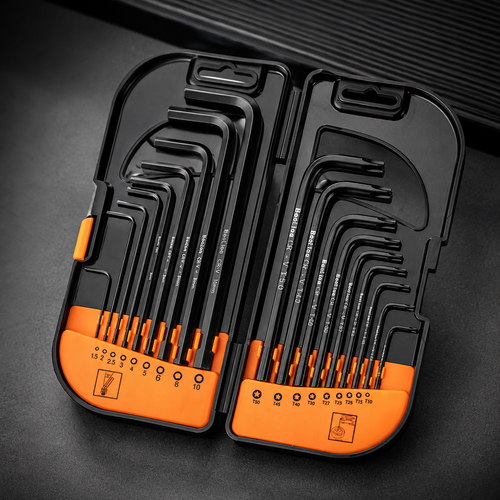
- Use the Right Tools: A good set of screwdrivers, a small block plane, and a chisel are essential for these tasks.
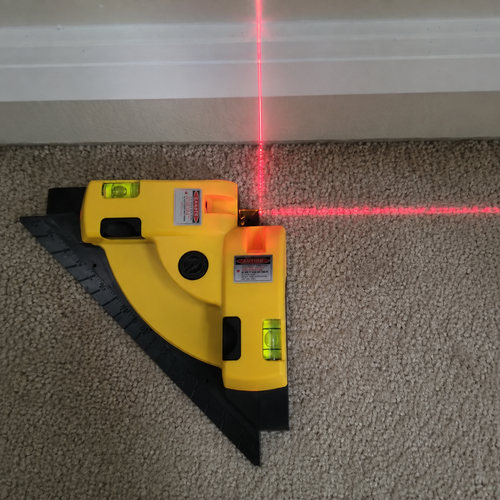
- Check for Level: Use a spirit level to check if your door frame is plumb (perfectly vertical). A severely out-of-plumb frame might require more advanced carpentry skills.
- Patience is Key: Small adjustments often make a big difference. Work slowly and test the door after each adjustment.
- Consider Humidity: Remember that wood expands and contracts with humidity. A door that sticks in summer might be fine in winter.
Key Takeaways to Fix a Door That Won’t Close Properly
Fixing a door that won’t close properly often comes down to a few key adjustments:
- Most problems stem from loose hinges or a misaligned strike plate.
- Tightening all hinge screws is your first and easiest step.
- If hinges are loose, using longer screws or filling stripped holes can provide a better grip.
- Adjusting or filing the strike plate is crucial if the latch isn’t catching properly.
- Minor rubbing can be fixed by shimming hinges or carefully planing/sanding the door edge.
Frequently Asked Questions
What is the easiest way to How To Fix a Door That Won’t Close Properly?
The easiest and most common fix for a door that won’t close properly is to tighten all the screws on your door hinges. Often, loose hinge screws cause the door to sag, leading to rubbing or misalignment with the strike plate.
How long does it take to How To Fix a Door That Won’t Close Properly?
For simple issues like loose hinges or a slightly misaligned strike plate, fixing a door that won’t close properly can take as little as 10-30 minutes. More complex issues involving planing a door or significantly adjusting a strike plate might take 1-2 hours, especially if you’re taking your time and being precise.
What if my door hinges seem fine, but the door still won’t close properly?
If your hinges are tight and in good condition, and the door still won’t close properly, the issue might be a swollen door or door frame due to humidity, or a significantly misaligned strike plate. In such cases, you might need to carefully plane or sand the rubbing edge of the door, or adjust the strike plate more substantially as detailed in the steps above.
Conclusion: Get Your Door Working Like New
Don’t let a stubborn door get the best of you. By following these step-by-step instructions, you’re well-equipped to diagnose and fix a door that won’t close properly. With a few basic tools and a bit of patience, you can have your door latching smoothly and securely again. Remember to start with the simplest solutions and work your way up. You’ll be amazed at how satisfying it is to fix it yourself!
Looking for more inspiration? Explore the full Mavigadget Gift Ideas Collection for creative solutions.
Filed under
Written by
Kevin
Tools, Garden & DIY, MaviGadget
Kevin writes for the MaviGadget Journal, testing the gadgets that promise to change your day and reporting honestly on the ones that actually do.