Easy DIY Home Fixes: Your Guide to Solving Common Household Problems
How to Solve Small Problems Around the House: Your Easy DIY Fixes Guide How to Solve Small Problems Around the House: Your Easy DIY Fixes Guide Every home has its quirks, and sooner or later, you’ll face those little issues that pop up unexpectedly. A dripping faucet, a creaky door, or a wobbly chair might […]

How to Solve Small Problems Around the House: Your Easy DIY Fixes Guide
Every home has its quirks, and sooner or later, you’ll face those little issues that pop up unexpectedly. A dripping faucet, a creaky door, or a wobbly chair might seem minor, but ignoring them can lead to bigger headaches and costly repairs down the line. Plus, there’s a real sense of accomplishment that comes from tackling these tasks yourself!
This guide will show you how to solve small problems around the house with confidence. You’ll discover simple, practical steps to fix common household annoyances, saving you time and money while boosting your DIY skills. Get ready to transform those nagging issues into satisfying solutions!
Quick Summary: Your Go-To Approach for Home Fixes
- Identify Clearly: Pinpoint the exact issue to understand what needs fixing.
- Gather & Prepare: Collect the right tools and materials before you start.
- Follow Steps: Use clear, simple instructions for each repair.
- Test & Confirm: Always check your work to ensure the problem is truly solved.
Step-by-Step Instructions: Mastering Common Household Fixes
Before diving into specific repairs, let’s look at a general approach that helps you tackle almost any small problem around the house.
General Steps for Any Home Repair
-
1. Identify the Issue Clearly
Take a moment to fully understand the problem. Is the faucet just dripping, or is it leaking from the base? Does the door creak every time, or only when opened a certain way? Observing the details helps you find the right solution and avoid unnecessary work.
-
2. Gather Your Tools & Materials
Nothing is more frustrating than starting a repair only to realize you’re missing a screwdriver or a replacement part. Read through the repair steps first, then collect all necessary tools, parts, and safety gear like gloves or safety glasses. A basic toolkit usually covers most small problems.
-
3. Safety First!
Always prioritize safety. For plumbing issues, turn off the water supply. For electrical problems, cut the power at the breaker. Wear appropriate protective gear. If you’re unsure about a step or feel uncomfortable, it’s always wise to consult a professional.
-
4. Follow the Repair Steps
Work methodically. Don’t rush. If you’re unsure about how something comes apart, take a photo with your phone before you disassemble it. This can be a huge help when putting it back together.
-
5. Test Your Fix
Once you believe you’ve solved the problem, test it thoroughly. Turn the water back on slowly, open and close the door several times, or apply pressure to the repaired item. Make sure the fix holds and the problem is truly gone.
-
6. Clean Up
Put your tools away, dispose of old parts, and clean up any mess. A tidy workspace is a happy workspace, and it ensures your tools are ready for the next project.
Specific Solutions to Solve Small Problems Around the House
Now, let’s apply these general principles to some of the most common small problems you might encounter.
Fixing a Leaky Faucet
A constant drip isn’t just annoying; it wastes water and can stain your sink. Most leaky faucets are caused by worn-out washers or O-rings.
- Turn Off Water: Locate the shut-off valves under the sink and turn them clockwise until the water flow stops completely.
- Cover Drain: Place a cloth over the drain to prevent small parts from falling in.
- Disassemble Faucet: Use a screwdriver to remove the decorative cap and handle. You might need a wrench to loosen the packing nut or cartridge.
- Identify Worn Parts: Carefully remove the stem, cartridge, or ceramic disc. Look for worn rubber washers or O-rings.
- Replace Parts: Take the old parts to a hardware store to find exact matches. Install the new washers or O-rings.
- Reassemble Faucet: Put all the parts back together in reverse order. Don’t overtighten anything.
- Test: Slowly turn the water back on and check for drips.
Silencing a Squeaky Door
That persistent squeak can be jarring. Often, it’s simply due to dry or dirty hinges.
- Gather Lubricant: Get some spray lubricant (like WD-40 or a silicone spray) or petroleum jelly.
- Open Door: Open the door wide so you can access all the hinges.
- Lubricate Hinges: Spray a generous amount of lubricant directly onto each hinge pin. Work the door back and forth several times to allow the lubricant to penetrate.
- Lift Pins (Optional): For stubborn squeaks, you can gently tap the hinge pins upwards a little with a hammer and nail punch (or a screwdriver and hammer), spray lubricant directly into the hinge barrel, and then push the pins back down.
- Wipe Excess: Wipe away any excess lubricant with a cloth to prevent drips.
- Test: Open and close the door repeatedly to ensure the squeak is gone.
Unclogging a Slow Drain
A slow-draining sink or shower is usually a sign of hair, soap scum, or grease buildup.
- Remove Drain Cover: If applicable, unscrew or pry off the drain cover.
- Physical Removal: For hair clogs in a bathroom, use a pair of needle-nose pliers or a drain snake (a long, flexible tool with a hook) to pull out any visible hair and gunk.
- Boiling Water: For grease clogs in a kitchen sink, carefully pour a kettle of boiling water down the drain. This can dissolve some grease.
- Baking Soda & Vinegar: Pour 1/2 cup of baking soda down the drain, followed by 1/2 cup of white vinegar. Cover the drain with a stopper and let it sit for 30 minutes to an hour. The mixture will fizz, helping to break down the clog.
- Flush with Hot Water: After waiting, flush the drain with hot tap water.
- Plunger Power: If the drain is still slow, fill the sink with a few inches of water and use a plunger over the drain opening to create suction and dislodge the clog.
Tightening a Wobbly Chair or Table
Wobbly furniture can be annoying and eventually lead to damage. Often, it’s just loose screws or joints.
- Inspect All Joints: Turn the furniture upside down or on its side. Carefully examine all screws, bolts, and joints.
- Tighten Screws/Bolts: Use the appropriate screwdriver or wrench to gently tighten any loose fasteners. Be firm, but don’t overtighten, which can strip the wood or threads.
- Check Glued Joints: If screws aren’t the issue, the glued joints might be failing. For minor wobbles, sometimes tightening adjacent screws helps. For more severe wobbles in glued joints, consider disassembling, scraping off old glue, and re-gluing with wood glue. This is a more advanced fix.
- Add Felt Pads/Shims: If the wobble is due to uneven legs on the floor, small felt pads or shims under the shortest leg can level it out.
- Test Stability: Place the furniture upright and apply gentle pressure to different parts to ensure it’s stable.
Tips for Success & Common Mistakes to Avoid
Helpful Tips:
- Don’t Procrastinate: Small problems rarely fix themselves; they usually get worse. Tackle them early.
- The Right Tool for the Job: Using the wrong tool can cause more damage or injury. Invest in a basic, good-quality toolkit.
- Research is Your Friend: If you’re unsure, a quick online search or a visit to your local hardware store can provide valuable guidance. Many products come with diagrams or videos.
- Turn Off Utilities: Always remember to turn off water to a faucet or power to an outlet before working on it.
- Start Simple: Begin with the easiest, most likely solution before attempting more complex repairs.
Common Mistakes to Avoid:
- Overtightening: Screws and bolts can strip or crack materials if tightened too much.
- Using the Wrong Replacement Parts: Even a slight difference can cause a new leak or prevent proper function. Always match parts exactly.
- Ignoring Safety: Skipping safety precautions can lead to injuries or further damage.
- Giving Up Too Soon: Some problems require a bit of patience and a second look. Don’t get discouraged!
- Assuming a Major Problem: Many issues that seem big are actually simple fixes. Don’t jump to calling a professional before investigating.
Key Takeaways: Empower Yourself to Solve Small Problems Around the House
Tackling small problems around the house doesn’t have to be daunting. By following a clear, step-by-step approach, prioritizing safety, and using the right tools, you can confidently fix many common household issues. This guide has shown you how to identify problems, prepare for repairs, and execute solutions for everything from leaky faucets to wobbly furniture. Embrace the satisfaction of DIY and keep your home running smoothly!
Frequently Asked Questions
What is the easiest way to solve small problems around the house?
The easiest way often involves early detection and using basic tools. For many common issues like squeaky doors, loose screws, or minor clogs, a simple lubricant, a screwdriver, or a baking soda and vinegar solution can be all it takes. The key is to address them before they escalate.
How long does it take to solve small problems around the house?
Most small problems around the house can be solved in under an hour, sometimes even just 10-30 minutes. Fixing a squeaky door or tightening a loose chair leg is very quick. More involved tasks, like replacing a faucet washer or unclogging a stubborn drain, might take a bit longer but are usually still manageable within an hour or two.
What basic tools do I need for home repairs?
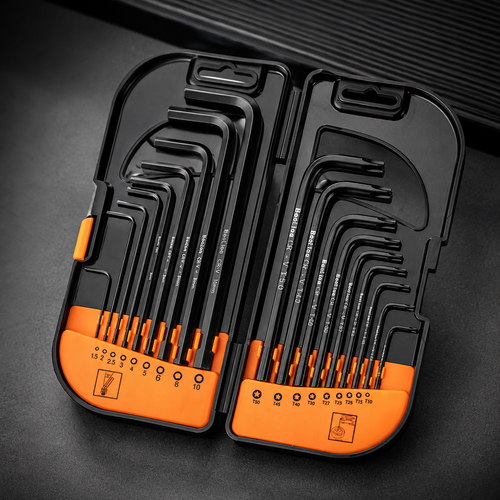
A good basic toolkit for solving small problems around the house should include a set of screwdrivers (Phillips and flathead), a hammer, a tape measure, pliers, an adjustable wrench, a utility knife, safety glasses, and maybe a basic plunger. These tools will cover a wide range of common household fixes.
Conclusion
You now have the knowledge and confidence to approach those nagging small problems around the house. From preventing water waste with a simple faucet fix to enjoying quiet hallways thanks to a lubricated hinge, each successful repair builds your skills and makes your home a more comfortable place. Don’t let those minor issues pile up; take action, follow these practical steps, and enjoy the reward of a well-maintained home.
Looking for more inspiration? Explore the full Mavigadget Gift Ideas Collection for creative solutions.
Filed under
Written by
Cloe
Tools, Garden & DIY, MaviGadget
Cloe writes for the MaviGadget Journal, testing the gadgets that promise to change your day and reporting honestly on the ones that actually do.