Tech & Gadgets
Upgrade Your Space with Smart Home Hardware

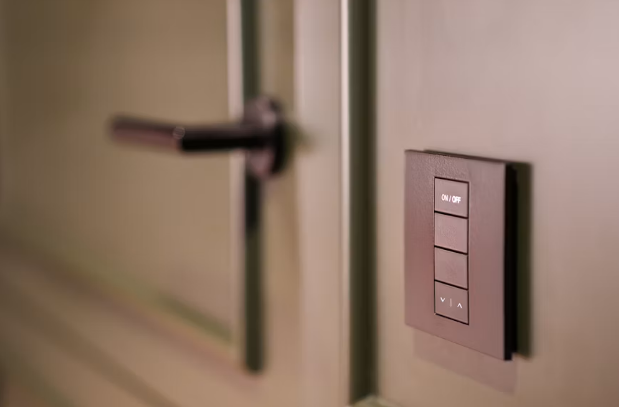
Image credit Unsplash
Smart home tech isn't just about yelling commands at a speaker or changing your light colors anymore. These days, it's about weaving intelligence right into your home's bones, making everything connected and super handy. One of the best ways to build a solid, smooth-running smart home is by upgrading basic stuff like your light switches and power outlets.
The Rise of Connected Living
The idea of a home that's all hooked up isn't some sci-fi dream anymore. It's real life, where your house can guess what you need and do what you tell it. Basically, a smart home or building is just a home packed with gadgets you can control over the internet. We're talking about everything from lights and thermostats to security cameras and even your appliances.
The real magic happens when all these things team up. Instead of juggling a bunch of apps for different devices, a truly connected home works like one big, smooth system. This opens the door for awesome automations. Imagine your lights coming on, the thermostat adjusting, and your favorite music starting the second you walk in the door. It's all about making your home work for you, saving you time and energy.
Integrating Smart Switches and Sockets
Smart bulbs are a popular starting point, but they have their limits. If someone flips the regular light switch off, the bulb loses power and stops being "smart." A much better solution is to upgrade the switch itself. A smart switch or dimmer replaces your old wall switch, letting you control any light fixture it's connected to. This means you can keep those fancy lights you love and still get all the smart features.
This approach is perfect for spots where looks matter just as much as technology. For example, you could put the best pendant lights over your dining table or kitchen island and use a smart dimmer to control them. You get the high-end look you want, plus you can set schedules, create different lighting moods, and use voice commands with your favorite smart assistant. Smart sockets do a similar job, turning anything you plug in, from a simple lamp to a coffee maker, into a connected part of your home.
Beyond Basic Home Automation
Once you've got smart switches and outlets in place, you can start automating almost anything in your daily life. This is where you go beyond simple voice commands and create cool "scenes" that do several things at once with just a tap or a phrase. For example, a "Movie Night" scene could dim the main lights, turn on accent lights, and close your smart blinds.
The more devices you add, the more possibilities open up. If you add a smart thermostat, your "Away" scene can lower the thermostat to save energy while you're out. Motion sensors can dim hallway lights for those late-night trips to the kitchen. You can find lots of top-rated smart devices, like water leak sensors that text you when they detect a leak, giving you both protection and convenience.
Choosing Compatible Components
One of the trickiest parts of setting up a smart home is getting all your devices to talk to each other. Different products use different ways to communicate, like Wi-Fi, Zigbee, and Z-Wave. Wi-Fi devices are easy to set up, but too many can slow down your internet. Zigbee and Z-Wave create their own networks, which are often more reliable for larger systems but usually require a central hub.
Smart home hubs like Amazon Alexa, Google Home, and Apple HomeKit act like the brain of your home, letting you control devices from different brands all in one spot. This can really help with smart home savings. For people who want more control, dedicated hubs offer even more power and local processing. The good news is that everyone in the industry is working towards a universal standard called Matter. It aims to make all smart home products work together right out of the box, making setup a breeze for everyone.
Aesthetic Meets Technology
For a long time, smart home gadgets often looked clunky and out of place. But that's totally changed. Today, manufacturers know that smart tech needs to blend right in with your home's style. You don't have to choose between a connected home and a good-looking one anymore.
Now, you can find smart switches, dimmers, and sockets in all sorts of elegant finishes, like antique brass, matte black, and polished nickel. These products are designed to match fancy traditional or modern decor, so your tech upgrades actually make your home look better, not worse. This focus on design means your smart home can feel futuristic in how it works and timeless in how it looks.
Upgrading your home's hardware is a smart way to invest in a living space that's more convenient, efficient, and stylish. Starting with these basic changes helps you build a smart home that truly feels like it was made just for you.
Written by
Arthur
Tech & Gadgets, MaviGadget
Arthur writes for the MaviGadget Journal, testing the gadgets that promise to change your day and reporting honestly on the ones that actually do.