Tech & Gadgets
Turning Creative Writing into Visual Storytelling

You've spent months writing a story. The prose is beautiful. The dialogue rings true. Readers connect emotionally with your characters. Then someone asks: "What if we made this into a video?" And suddenly you panic. How do you translate something that lives in readers' imaginations into visual form?
Text to video generation changes that conversation because it lets you experiment with visual adaptation without massive production commitments. With Dreamina's Seedance 2.5, you can take passages from your creative writing and render them into actual footage, discovering what translates beautifully and what needs rethinking for visual storytelling.
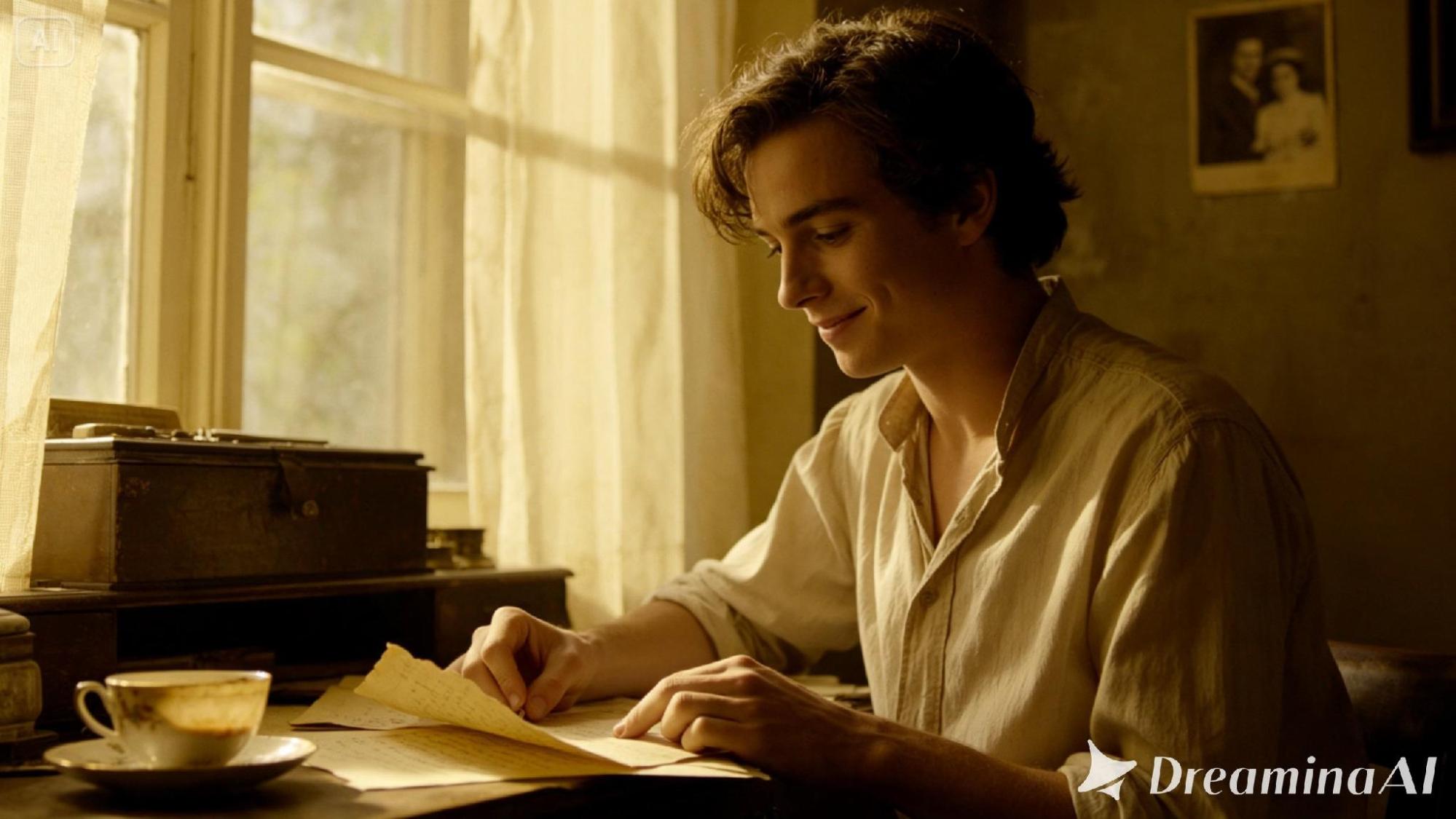
The gap between written and visual language
Here's the brutal truth: beautiful prose doesn't automatically translate to beautiful video. A paragraph of poetic description might feel overwrought visually. Internal monologue that carries emotional weight on the page becomes awkward voice-over in video. A scene's entire impact might rely on details that sound amazingly written but look strange when generated. That gap exists because written language and visual language operate through completely different mechanisms.
Written storytelling can explore internal experience directly. You describe what a character thinks and feels. Visual storytelling shows those internal states through behavior, expression, and environment. That fundamental difference means adapting creative writing requires translation, not just transfer. You're not moving words into video—you're converting emotional and narrative truths from one medium into another.
Seedance 2.5's literary adaptation excellence
Seedance 2.5 was engineered specifically to render prose-based storytelling into visual form with fidelity to original creative intent while respecting the visual medium's unique requirements.
Character authenticity translating from page to screen
The model understands how to render characters from written description into believable performances. The distinctive voice established through dialogue carries into vocal delivery. Behavioral patterns described in prose become consistent physical manifestations. That translation maintains character essence across mediums.
Emotional truth expressed through visual language
The model converts written emotional exploration into visible emotional experience. Internal states become behavioral expression. Psychological complexity manifests through physicality and expression. That translation honors the emotional depth of literary work while communicating it visually.
Spatial storytelling replacing prose description
The model uses environmental visuals to communicate what prose descriptions achieve through language. Setting becomes active storytelling element rather than backdrop. Atmospheric detail that took paragraphs in prose condenses into seconds of visual information. That efficiency strengthens pacing while maintaining atmospheric richness.
Dialogue rhythm respecting original voice
The model renders dialogue with authentic delivery capturing original character voice. Hesitations and emphasis patterns from written dialogue carry into performance. That authenticity prevents dialogue from feeling adapted or artificial.
Converting your story: Dreamina's literary translation
Step 1: Select your scene and translate it for visual adaptation
Visit Dreamina, sign in, and head to the "AI Video" section. Choose a scene from your creative writing—ideally dialogue-heavy or emotionally significant. Identify the scene's emotional core. What's it really about beneath surface events? Click "Add reference image" if you have character descriptions or setting references. Write your adaptation prompt describing the scene in visual terms. Translate prose description into behavioral and environmental language. Replace internal monologue with physical manifestations of internal states. Include dialogue but trim exposition.
A detailed prompt for 60 seconds might read: Two characters meeting after years of estrangement, their initial awkwardness visible through distance and minimal eye contact, their dialogue addressing surface matters while tension about unspoken conflict builds, their body language gradually softening as genuine connection emerges, the setting—a familiar location from their shared past—visually reinforcing their history, the entire scene showing emotional progression from guardedness to tentative reconnection without explicit explanation.
Step 2: Generate your literary adaptation with Seedance 2.5
Select Seedance 2.5 as your generation model. Choose 45-90 seconds depending on scene complexity. Pick 16:9 for literary adaptation or 9:16 for social platforms. Click Dreamina's generation icon and watch your written scene become visual storytelling, where the emotional and narrative truths from your prose appear through performance and imagery.
Step 3: Evaluate adaptation fidelity and refine
Use Dreamina's AI editing tools to strengthen the adapted scene. Upscale sharpens character expressions and environmental details, making emotional truth clearly visible. Generate Soundtrack adds audio supporting the scene's emotional tone. Review your adapted footage, comparing it against your original prose. Does the emotional core translate? Do characters feel consistent with how you wrote them? Does visual pacing serve the scene? If refinement strengthens adaptation, adjust and regenerate. Export and share.
Pacing: where written and visual storytelling most differ
A scene in your novel might take five pages but need only thirty seconds of video. Or a moment you described briefly might require extended visual exploration. That pacing difference catches writers off guard because you're used to controlling reader pace through sentence structure and paragraph length. Video has its own pacing logic that doesn't follow written pacing.
Extended visual moments allow viewers to absorb environmental details and emotional nuance that would require pages to describe. Conversely, compressed visual moments can convey complex information instantly that might take paragraphs to explain in prose.
Character voice remaining consistent across mediums
Your character's distinctive voice works through dialogue regardless of medium. What changes is how that voice manifests through non-verbal behavior. A sarcastic character expresses sarcasm through words but also through tone, expression, how they hold their body. A reserved character speaks less but their silence communicates volumes through physicality. That consistency of character essence across mediums is what makes adaptation feel authentic rather than like a different character entirely.
Adapting dialogue for visual medium
Dialogue in written stories often does heavy lifting—revealing character, advancing plot, providing exposition. In visual storytelling, dialogue should primarily focus on character interaction and immediate conflict. Environmental storytelling and visual action handle plot advancement and exposition more elegantly than characters explaining backstory.
Cut dialogue that exists purely for explanation. Trust that viewers understand context from what they see. Let silence exist in conversations. Not every pause needs filling with words. Natural rhythm with breathing space creates more authentic dialogue than constant talking.
Stories transcending their original medium
Creative writing becomes even more powerful when adapted visually because viewers experience it in new ways. With Dreamina and Seedance 2.5, your prose translates into visual storytelling that honors original narrative intent while embracing the visual medium's unique strengths.
Dreamina allows text-to-video to make literary adaptation accessible to any writer wanting to see their stories come alive visually.
Photo by Aaron Burden on Unsplash
Written by
Cloe
Tech & Gadgets, MaviGadget
Cloe writes for the MaviGadget Journal, testing the gadgets that promise to change your day and reporting honestly on the ones that actually do.


