Sparkling Home, Happy Pets: Your Step-by-Step Guide to Cleanliness
How to Keep Your House Clean with Pets: A Step-by-Step Guide How to Keep Your House Clean with Pets: A Step-by-Step Guide Having pets brings immense joy and companionship into our lives. From wagging tails to comforting purrs, they truly make a house a home. However, along with all that love comes the inevitable challenge […]

How to Keep Your House Clean with Pets: A Step-by-Step Guide
Having pets brings immense joy and companionship into our lives. From wagging tails to comforting purrs, they truly make a house a home. However, along with all that love comes the inevitable challenge of maintaining a clean living space. Pet hair, muddy paws, occasional accidents, and lingering odors can make keeping your house tidy feel like a constant battle. But don’t worry! It is absolutely possible to live harmoniously with your beloved animals in a sparkling clean home. This guide will walk you through simple, actionable steps designed to help you tackle common pet-related messes and maintain a fresh, inviting environment for both you and your furry companions.
Quick Summary: Your Path to a Pet-Friendly Clean Home
Achieving a consistently clean home with pets boils down to a few key principles:
- Preventative Care: Regular pet grooming significantly reduces the amount of hair and dirt tracked into your home.
- Proactive Cleaning: Establishing a consistent cleaning routine for pet-specific areas and tackling messes immediately prevents buildup and odors.
- Smart Tools & Habits: Investing in the right cleaning tools and adopting pet-friendly household habits makes the entire process much easier.
Step-by-Step Instructions: How to Keep Your House Clean with Pets
-
Prioritize Regular Pet Grooming
One of the most effective ways to keep your house clean with pets starts with your pets themselves. Regular grooming sessions can drastically reduce shedding, dander, and the amount of dirt they bring indoors. Brush your dog or cat several times a week, or even daily, especially if they have long hair or are heavy shedding breeds. This simple act catches loose hair before it settles on your furniture and floors. Consider professional grooming for baths and de-shedding treatments, or establish a consistent bathing schedule at home using pet-safe shampoos. Don’t forget nail trims; shorter nails mean less scratching and fewer opportunities for dirt to embed under furniture.
-
Master Pet Hair Management
Pet hair is a universal challenge for animal owners. To keep it under control, integrate specific tools and habits into your routine. Invest in a powerful vacuum cleaner designed for pet hair, ideally one with strong suction and specialized attachments for upholstery. Vacuum carpets, rugs, and hard floors frequently, often daily or every other day, especially in high-traffic pet areas. For quick clean-ups, keep lint rollers handy for clothing and furniture. Rubber gloves can also work wonders to gather hair from fabric surfaces. Robotic vacuums are an excellent investment for daily maintenance, running automatically to pick up loose fur.
-
Tackle Odors at the Source
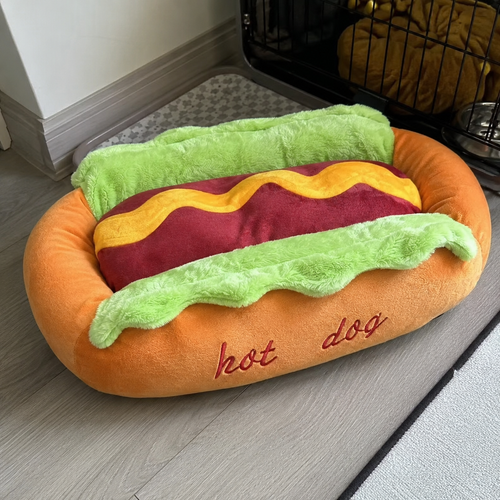
Pet odors can be subtle or overwhelming, but they often stem from specific areas. The key is to clean these sources regularly. For cat owners, scoop litter boxes daily and completely change the litter every 1-2 weeks, thoroughly washing the box itself. For dogs, regularly wash pet bedding, blankets, and toys. Use enzyme-based cleaners specifically designed to break down organic matter from pet accidents, rather than just masking the smell. These are crucial for urine stains on carpets and upholstery. Open windows to air out your home frequently, and consider air purifiers with activated charcoal filters to help neutralize airborne odors.
-
Create Designated Pet Zones and Barriers
Minimize mess by strategically setting up specific areas for your pets. Place durable, washable mats under food and water bowls to catch spills. If your pet comes in from outside muddy, have a designated “mudroom” or entry area with towels and a paw cleaner ready to use before they enter the main living space. Use pet gates to restrict access to certain rooms, like bedrooms or formal dining areas, which can help keep those spaces cleaner. Machine-washable slipcovers for furniture are a lifesaver, allowing you to easily remove and clean covers that accumulate pet hair and dander.
-
Clean Up Accidents Immediately and Thoroughly
Even well-trained pets can have an accident. The crucial rule is to clean them up as soon as they happen. The longer an accident sits, the deeper it penetrates carpets or fabrics, making it harder to remove and increasing the likelihood of lingering odors. Blot, don’t rub, liquid messes with a clean cloth or paper towels. Then, liberally apply an enzyme-based pet stain and odor remover. Follow the product instructions carefully, allowing it to soak to break down the odor-causing bacteria. For solid messes, remove as much as possible before cleaning the affected area.
-
Establish a Consistent Cleaning Routine
A consistent schedule is your best friend when learning how to keep your house clean with pets. Integrate pet-specific cleaning tasks into your daily, weekly, and monthly routines.
- Daily: Scoop litter boxes, vacuum high-traffic areas, wipe down food/water bowls, quick spot clean for any visible messes.
- Weekly: Wash pet bedding, thoroughly vacuum all carpets and mop hard floors, clean pet toys, wipe down pet crates or carriers.
- Monthly/Quarterly: Deep clean carpets and upholstery, wash pet beds with hot water, clean windows where pets nose print, and check for any hidden pet messes behind furniture.
-
Choose Pet-Friendly Materials and Finishes
When decorating or renovating, consider materials that are easy to clean and durable. Hard flooring like tile, laminate, or sealed hardwood is generally easier to clean than carpet and doesn’t trap odors and hair as much. If you have carpets, choose low-pile options that are easier to vacuum and less prone to holding onto pet hair. For furniture, opt for fabrics that are tightly woven, durable, and easy to wipe down or machine wash. Leather or faux leather can be a good choice as they don’t trap hair and are simple to clean. Avoid delicate fabrics that can easily snag or stain.
-
Maintain Food and Water Areas Diligently
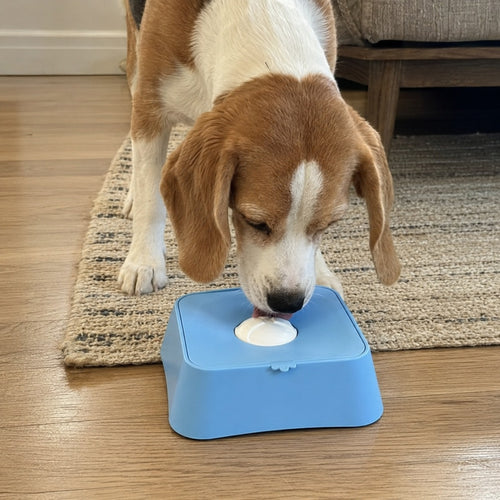
Pet food and water bowls can become breeding grounds for bacteria, attract pests, and lead to spills. Wash your pet’s food and water bowls daily, just as you would your own dishes. Use warm, soapy water or run them through the dishwasher. Consider stainless steel or ceramic bowls, as plastic bowls can sometimes harbor bacteria and retain odors. Place a non-slip, easy-to-clean mat underneath bowls to catch any spilled water or kibble, preventing food from getting ground into your floor and protecting against water damage.
Tips & Common Mistakes for a Pet-Friendly Clean Home
Helpful Tips:
- Invest in Quality Tools: A good pet-specific vacuum, effective enzyme cleaners, and durable pet mats are worth the investment.
- Utilize Air Purifiers: High-quality air purifiers with HEPA and activated carbon filters can significantly reduce pet dander and odors.
- Consider Pet Training: Basic obedience training, especially house-training, is foundational to preventing messes.
- Keep Cleaning Supplies Handy: Store pet-specific cleaning products in an easily accessible location for quick accident clean-ups.
- Regularly Check Filters: Change HVAC filters more frequently than recommended if you have pets, as they can quickly become clogged with pet hair and dander, impacting air quality.
Common Mistakes to Avoid:
- Ignoring Grooming: Skipping regular brushing and bathing allows hair and dirt to accumulate rapidly indoors.
- Using the Wrong Cleaners: Regular household cleaners often just mask pet odors or aren’t effective at breaking down the proteins in pet waste. Always use enzyme cleaners for accidents.
- Letting Messes Linger: Delayed clean-up allows stains to set and odors to become more deeply embedded in surfaces.
- Overlooking Hidden Spots: Don’t forget to clean under furniture, behind curtains, and in corners where pet hair and dust bunnies can collect.
- Not Washing Pet Bedding Enough: Pet beds are major collection points for hair, dander, and odors; they need frequent washing.
Key Takeaways for Keeping Your House Clean with Pets
- Consistency is Key: Regular grooming and a consistent cleaning routine are more effective than infrequent, intensive deep cleans.
- Prevention is Powerful: Brushing your pet and having designated “clean-up” zones prevents many messes before they start.
- Act Fast on Accidents: Immediate and thorough cleaning of pet accidents with appropriate enzyme cleaners is crucial for odor and stain removal.
- Choose Smart Materials: Opt for easy-to-clean flooring and washable furniture covers to simplify maintenance.
- Invest in the Right Tools: A good pet vacuum, enzyme cleaners, and air purifiers are invaluable assets.
Frequently Asked Questions
What is the easiest way to keep your house clean with pets?
The easiest way to keep your house clean with pets is by focusing on prevention and consistency. This includes daily pet grooming (brushing to reduce shedding), establishing a quick daily vacuuming routine for pet hair, and immediately cleaning up any accidents with enzyme cleaners. Integrating these habits makes a significant difference, preventing large build-ups of dirt and odors.
How often should I clean my house when I have pets?
With pets, a daily cleaning routine for pet-specific tasks is ideal. This means scooping litter boxes, quick vacuuming in high-traffic areas, and wiping down food bowls. A more thorough cleaning, including washing pet bedding, mopping floors, and a complete vacuum of all carpets, should be done weekly. Deep cleaning tasks like carpet shampooing can be done quarterly or as needed.
What are the best cleaning products for pet owners?
For pet owners, enzyme-based cleaners are essential for tackling urine, feces, and vomit stains and odors, as they break down the organic matter. A powerful vacuum cleaner designed for pet hair is a must. Pet-safe odor eliminators and laundry detergents for pet bedding are also highly recommended. Avoid harsh chemicals or cleaners with strong scents that might irritate your pet’s sensitive nose.
Conclusion
Living with pets doesn’t mean sacrificing a clean home. By implementing these practical, step-by-step strategies, you can effectively manage pet hair, odors, and messes, ensuring your home remains a fresh, inviting sanctuary for everyone—two-legged and four-legged alike. The secret to how to keep your house clean with pets lies in a combination of consistent grooming, smart cleaning habits, and the right tools. Embrace these tips, and you’ll find that maintaining a tidy home alongside your cherished companions is not just possible, but entirely manageable.
Looking for more inspiration? Explore the full Mavigadget Gift Ideas Collection for creative solutions.
Filed under
Written by
Kevin
Pets, MaviGadget
Kevin writes for the MaviGadget Journal, testing the gadgets that promise to change your day and reporting honestly on the ones that actually do.