Master Pet Hair Removal: Quick Tips & Tools for a Hair-Free Home
How to Quickly Remove Pet Hair from Furniture for a Cleaner Home Say Goodbye to Pet Hair: Essential Tips for a Clean Home Living with furry friends brings immense joy, but it also comes with a unique challenge: pet hair. Whether it’s a fine layer on your favorite armchair or a dense collection clinging to […]

Say Goodbye to Pet Hair: Essential Tips for a Clean Home
Living with furry friends brings immense joy, but it also comes with a unique challenge: pet hair. Whether it’s a fine layer on your favorite armchair or a dense collection clinging to your sofa, stray pet hair can make your home feel less than spotless. The good news is that tackling this common problem doesn’t have to be a monumental chore. With the right techniques and tools, you can keep your furniture looking fresh and your living space comfortable for everyone – two-legged and four-legged alike.
This guide will walk you through proven strategies to effectively remove pet hair from various types of furniture, helping you maintain a cleaner, more inviting home with minimal effort.
Quick Summary
- Combat pet hair effectively with simple household items like rubber gloves, damp cloths, and balloons.
- Utilize specialized tools such as lint rollers, upholstery vacuums, and pet hair brushes for targeted removal.
- Apply different techniques based on furniture material, from fabric to wood, ensuring a thorough clean.
Understanding the Challenge of Pet Hair
Pet hair isn’t just a nuisance; its tiny barbs and static cling make it particularly adept at embedding itself into fabric fibers. This is why a simple dust cloth often just pushes hair around, and a regular vacuum might leave some behind. The key to effective removal lies in disrupting this cling and lifting the hair from the surface, rather than just sweeping over it.
Essential Tools for Effective Pet Hair Removal
You don’t always need expensive gadgets to get the job done. Many effective pet hair removers are likely already in your home, or can be easily acquired.
Rubber Gloves
Ordinary rubber dishwashing gloves are surprisingly powerful tools against pet hair. When dampened slightly, their textured surface creates friction that lifts and clumps hair. Simply don a glove, dampen it, and rub your hand across the hairy surface. The hair will ball up, making it easy to pick up and discard.
Lint Rollers and Specialty Brushes
For quick touch-ups or lighter accumulations, a good quality lint roller is indispensable. Its adhesive sheets grab loose hair and lint effectively. For a more eco-friendly and reusable option, consider specialty pet hair removal brushes, which often use static electricity or fine bristles to attract and gather hair.
Vacuum Cleaners with Upholstery Attachments
A vacuum cleaner with a brush or upholstery attachment is your heavy-duty weapon. These attachments are designed to agitate fabric and pull hair from deep within the fibers. For homes with multiple pets, a vacuum specifically designed for pet hair, often featuring stronger suction and specialized brush rolls, can be a worthwhile investment.
Damp Cloths or Sponges
For hard surfaces like wood, plastic, or metal furniture, a lightly damp cloth or sponge works wonders. The moisture helps to collect stray hairs without spreading them. Remember to wring out the cloth well to avoid leaving water marks, especially on wood.
Balloons for Static Cling
This might sound unusual, but a simple balloon can be incredibly effective thanks to static electricity. Rub an inflated balloon on your hair or clothing to charge it, then pass it over hairy furniture. The static charge will attract and lift loose pet hair right off the surface.
Squeegees or Pumice Stones
For very stubborn, embedded hair on upholstery and carpets, a rubber squeegee or a dedicated pet hair removal pumice stone can be very effective. Dragging a squeegee across fabric will pull hair to the surface. Similarly, a pumice stone, used gently, can scrape up deeply embedded fur without damaging the material.
Step-by-Step Methods for Different Furniture Types
Upholstered Furniture (Sofas, Chairs, Ottomans)
Upholstery is often the biggest magnet for pet hair. Here’s how to tackle it:
- Vacuum First: Start with your vacuum cleaner using the upholstery attachment. Go over the entire surface, working in overlapping strokes.
- Target with Rubber Gloves: Dampen a rubber glove and run your hand over areas where hair is still clinging. Use firm, sweeping motions to gather hair into clumps.
- Squeegee or Pumice for Stubborn Spots: For any remaining deep-set hairs, carefully drag a rubber squeegee or pet hair removal pumice stone across the fabric in one direction. Collect the removed hair.
- Finish with a Lint Roller: Use a lint roller for a final pass to pick up any surface dust or fine hairs you might have missed.
Wood and Hard Furniture Surfaces
Pet hair doesn’t embed in wood, but it can easily accumulate and cling due to static.
- Damp Cloth Wipe: Lightly dampen a microfiber cloth and wipe down the surface. The moisture will attract and hold the hair.
- Static Attraction: For light dustings, use a dry static duster or even a charged balloon to quickly lift hair.
- Avoid Dry Brushing: Dry brushes or cloths can sometimes just push hair around, so damp is usually better.
Delicate Fabrics
For fabrics that might be sensitive to rubbing or strong vacuuming, proceed with caution:
- Lint Roller Only: A gentle lint roller might be the safest bet for delicate materials.
- Light Vacuum: If using a vacuum, ensure it’s on the lowest suction setting and use a soft brush attachment.
- Static Spray: A fabric-safe anti-static spray can also help hair release its cling, making it easier to wipe away.
Carpets and Rugs
While not furniture, carpets are often adjacent and collect just as much hair.
- Thorough Vacuuming: Use your vacuum with a powerful beater bar setting. Go over the area multiple times in different directions.
- Rubber Broom or Rake: A rubber broom or carpet rake can pull up embedded hair that a vacuum might miss.
- Squeegee Trick: Drag a window squeegee across the carpet to pull hair to the surface for easier collection.
Pro Tips for Easier Pet Hair Management
Prevention and routine maintenance are key to keeping pet hair under control.
- Regular Pet Grooming: Brushing your pet frequently (ideally daily, especially during shedding seasons) removes loose hair before it has a chance to settle on your furniture. Consider professional grooming if your pet has a particularly dense coat.
- Protective Furniture Covers: Slipcovers or washable blankets can protect your favorite furniture pieces. They are much easier to throw in the washing machine than to deep-clean upholstery.
- Anti-Static Spray: A light mist of anti-static fabric spray on furniture can reduce the cling of pet hair, making it easier to wipe or vacuum away.
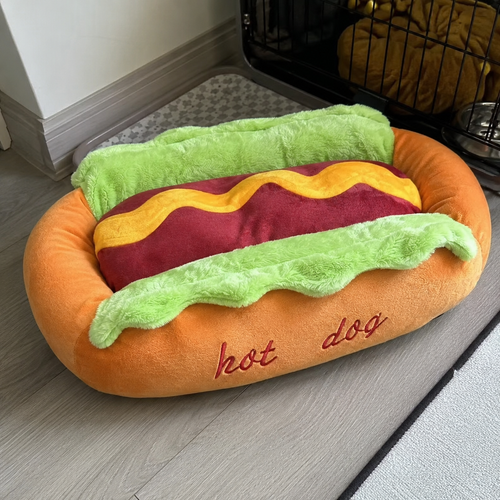
- Designated Pet Spots: Provide your pet with a comfortable, easy-to-clean bed or mat where they can shed without coating your main seating areas.
- Air Purifiers: Some air purifiers are designed to capture airborne pet dander and hair, helping to reduce its spread throughout your home.
- Damp Mopping Hard Floors: For homes with hard flooring, damp mopping daily can significantly reduce the amount of hair that migrates to furniture.
Key Takeaways
- A combination of simple household items and specialized tools offers the most effective pet hair removal.
- Tailor your cleaning method to the specific furniture material for best results and to prevent damage.
- Regular grooming of your pets is the best preventative measure against excessive hair accumulation.
Frequently Asked Questions
How often should I clean pet hair from my furniture?
The frequency depends on your pet’s shedding level and your tolerance. For heavy shedding, daily quick cleanings are ideal. Otherwise, a thorough weekly cleaning can keep accumulation at bay. Spot cleaning as needed is always a good practice.
Can fabric softener help remove pet hair?
Yes, a diluted mixture of fabric softener and water in a spray bottle can be lightly misted onto upholstery. The fabric softener helps reduce static, making the hair less clingy and easier to wipe away with a damp cloth or vacuum.
Will lint rollers damage furniture?
Standard adhesive lint rollers are generally safe for most fabrics and will not cause damage. However, for very delicate or antique fabrics, test a small, inconspicuous area first to ensure the adhesive doesn’t leave any residue or pull threads.
Is there a way to prevent pet hair from sticking to clothes?
To prevent pet hair from clinging to clothes, use dryer balls or a dryer sheet in your laundry. Adding a cup of white vinegar to the rinse cycle can also help. After washing, use a lint roller before wearing, and try to keep clean clothes away from areas where pets frequently rest.
Conclusion
Dealing with pet hair is an ongoing task for any pet owner, but it doesn’t have to be overwhelming. By understanding the right tools and techniques, and incorporating a few preventative habits, you can effectively manage pet hair and enjoy a cleaner, more comfortable living space. A little effort goes a long way in keeping your home looking its best, allowing you to focus on the joy your beloved pets bring into your life. For more innovative home solutions and pet-friendly gadgets, explore the curated Mavigadget pet accessories collection.
Filed under
Written by
Cloe
Pets, MaviGadget
Cloe writes for the MaviGadget Journal, testing the gadgets that promise to change your day and reporting honestly on the ones that actually do.