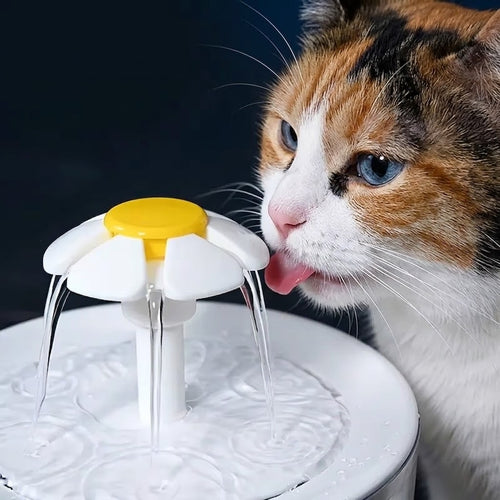
Choosing the Perfect Pet for Your Family: A Comprehensive Guide
Choosing the Right Pet for Your Family: A Comprehensive Guide Bringing a pet into your home is a big decision, one that can bring years of joy, companionship, and even a little chaos! But with so many wonderful animals looking for loving homes, how do you choose the right pet for your family and […]

Choosing the Right Pet for Your Family: A Comprehensive Guide
Bringing a pet into your home is a big decision, one that can bring years of joy, companionship, and even a little chaos! But with so many wonderful animals looking for loving homes, how do you choose the right pet for your family and lifestyle? This guide will walk you through the key factors to consider before you bring home your new best friend.
1. Evaluate Your Lifestyle
Before you even start browsing pictures of adorable puppies or kittens, take a good, hard look at your family’s lifestyle. Be honest about how much time, energy, and money you can realistically dedicate to pet care.
- Time Commitment: Do you work long hours? Travel frequently? If so, a low-maintenance pet like a fish or a cat might be a better fit than a dog that requires daily walks and playtime.
- Living Space: Do you live in a small apartment or a large house with a yard? A large, energetic dog might not thrive in a confined space, while a rabbit or guinea pig might be perfectly happy in a smaller enclosure.
- Activity Level: Are you an active family that enjoys hiking and outdoor adventures? Or are you more homebodies? A high-energy dog could be a great companion for an active family, while a calmer pet might be a better fit for a quieter household.
- Allergies: Does anyone in your family have allergies? If so, consider hypoallergenic breeds or pets that produce less dander, such as certain dog breeds, hairless cats, or even reptiles.
2. Research Different Types of Pets
Once you have a good understanding of your lifestyle, it’s time to explore the different types of pets available and what they need to thrive. Each animal has unique requirements for food, shelter, exercise, and socialization.
Dogs
Dogs are often considered “man’s best friend” for a reason. They are loyal, affectionate, and can bring a lot of joy to a family. However, dogs also require a significant commitment of time and energy. Consider the following:
- Breed: Different dog breeds have different temperaments, energy levels, and grooming needs. Research breeds that are known to be good with children or that are suitable for apartment living.
- Training: Dogs need training to learn basic commands and good manners. Consider enrolling in obedience classes or working with a professional dog trainer.
- Exercise: Dogs need regular exercise to stay healthy and happy. This could include daily walks, runs, or playtime in a fenced-in yard.
-
Grooming: Some dogs require regular grooming, such as brushing, bathing, and trimming, to prevent matting and skin problems.
Home: Is your hope appropriately set up for a dog to live comfortably? Do you have a garden where you can set up a wireless dog fence for them to play, and is your home free of hazards?
Cats
Cats are known for their independence and low-maintenance personalities. They can be a great option for busy families or those who live in smaller spaces. Consider the following:
- Breed: While often perceived as more independent, cat breeds also have distinct personalities. Some breeds are very social and require lots of attention, while others are more aloof.
- Litter Box: Cats need a clean litter box to stay healthy and happy. You’ll need to scoop the litter box daily and change the litter regularly.
- Scratching: Cats need to scratch to maintain their claws. Provide them with a scratching post or other appropriate scratching surface to prevent them from scratching your furniture.
- Playtime: While cats are more independent, they still need playtime and mental stimulation to prevent boredom and destructive behavior.
Small Animals
Small animals like rabbits, guinea pigs, hamsters, and gerbils can be a good option for families with limited space or time. However, they still require proper care and attention. Consider the following:
- Cage Size: Small animals need a cage that is large enough for them to move around comfortably and to have separate areas for sleeping, eating, and playing.
- Diet: Small animals need a balanced diet of pellets, hay, and fresh vegetables.
- Socialization: Some small animals, like guinea pigs, are social creatures and need to be kept in pairs or small groups.
- Handling: Small animals need to be handled gently and regularly to become accustomed to human interaction.
Birds
Birds can be intelligent and entertaining companions. However, they also require specialized care and attention. Consider the following:
- Cage Size: Birds need a cage that is large enough for them to fly around comfortably.
- Diet: Birds need a balanced diet of seeds, pellets, and fresh fruits and vegetables.
- Socialization: Birds are social creatures and need regular interaction with their owners.
- Noise: Some birds can be quite noisy, so consider this if you live in an apartment or have sensitive neighbors.
Reptiles and Amphibians
Reptiles and amphibians can be fascinating pets, but they require specialized care and knowledge. Consider the following:
- Habitat: Reptiles and amphibians need a specific habitat that mimics their natural environment, including proper temperature, humidity, and lighting.
- Diet: Reptiles and amphibians have specialized diets that may include insects, rodents, or vegetables.
- Handling: Some reptiles and amphibians can be handled, while others are best left undisturbed.
- Lifespan: Some reptiles and amphibians can live for many years, so be prepared for a long-term commitment.
Fish
Fish can be a relaxing and visually appealing addition to any home. They are relatively low-maintenance, but still require proper care. Consider the following:
- Tank Size: Fish need a tank that is large enough for them to swim comfortably.
- Water Quality: Fish need clean water to stay healthy. You’ll need to filter the water and change it regularly.
- Compatibility: Some fish are not compatible with others and may fight or eat each other.
- Temperature: Some fish require specific water temperatures to thrive.
3. Consider Adoption
Before you buy a pet from a breeder or pet store, consider adopting from a local animal shelter or rescue organization. There are countless animals waiting for loving homes, and adoption can be a rewarding experience.
Adopting a pet can also be more affordable than buying from a breeder, as adoption fees typically cover vaccinations, spaying/neutering, and other medical expenses.
4. Talk to Your Family
Choosing a pet is a family decision, so it’s important to involve everyone in the process. Discuss the responsibilities involved in pet ownership and make sure everyone is on board.
Consider each family member’s preferences and concerns. For example, if someone is afraid of dogs, a cat or other pet might be a better option.
5. Prepare Your Home
Before you bring your new pet home, take some time to prepare your home for its arrival. This could include purchasing food, water bowls, a bed, toys, and other necessary supplies.
Make sure your home is safe for your new pet by removing any potential hazards, such as poisonous plants, cleaning supplies, and electrical cords.
6. Be Patient
Bringing a new pet home can be an adjustment for both you and your new companion. Be patient and give your pet time to adjust to its new surroundings.
Establish a routine for feeding, walking, and playtime to help your pet feel secure and comfortable. With time and patience, your new pet will become a beloved member of your family.
7. Financial Considerations
Owning a pet involves ongoing expenses beyond the initial purchase or adoption fee. These can include:
- Food: The cost of food will vary depending on the type and size of your pet.
- Veterinary Care: Regular checkups, vaccinations, and potential emergency care can add up. Consider pet insurance.
- Grooming: Some pets require professional grooming services.
- Supplies: Beds, toys, leashes, litter, and other supplies need to be replaced periodically.
Budgeting for these expenses will help ensure you can provide your pet with the care it needs without financial strain.
8. Long-Term Commitment
Remember that owning a pet is a long-term commitment. Some pets, like dogs and cats, can live for 10-15 years or more. Be prepared to provide your pet with love, care, and attention for the duration of its life.
Consider your future plans and whether you will be able to care for your pet if you move, change jobs, or have children.
Choosing the right pet for your family is a significant decision, but it’s also an incredibly rewarding one. By carefully considering your lifestyle, researching different types of pets, and preparing your home, you can find a companion that will bring years of joy and unconditional love. Take your time, do your research, and trust your instincts. With a little planning, you’ll be well on your way to welcoming a wonderful new member into your family.
“`
Filed under
Written by
Arthur
Pets, MaviGadget
Arthur writes for the MaviGadget Journal, testing the gadgets that promise to change your day and reporting honestly on the ones that actually do.