Your Climate Survival Kit: A Step-by-Step Guide to Personal Preparedness
How to Build a Personal Emergency Kit for Climate Events: Your Essential Guide Introduction: Be Ready for Anything In today’s world, unexpected climate events like severe storms, floods, wildfires, or heatwaves are becoming more common. When these events strike, power can go out, roads can become impassable, and essential services might be disrupted. Having a […]

Introduction: Be Ready for Anything
In today’s world, unexpected climate events like severe storms, floods, wildfires, or heatwaves are becoming more common. When these events strike, power can go out, roads can become impassable, and essential services might be disrupted. Having a personal emergency kit ready can make all the difference, helping you and your loved ones stay safe and comfortable until help arrives or conditions improve.
This guide will walk you through exactly how to build a personal emergency kit for climate events, ensuring you’re prepared for whatever comes your way. It’s about empowering yourself with the tools and supplies you need for peace of mind.
Quick Summary: Your Emergency Kit at a Glance
A well-prepared emergency kit for climate events focuses on immediate survival and basic comfort. Here’s what you’ll learn to include:
- **Water & Food:** Sufficient, non-perishable supplies for several days.
- **First Aid & Medications:** Essential medical care and personal prescriptions.
- **Tools & Communication:** Items for light, warmth, and staying informed.
- **Personal Needs:** Hygiene items, important documents, and comfort articles.
By following these steps, you’ll know how to build a personal emergency kit for climate events that is robust and reliable.
Step-by-Step Instructions: How to Build a Personal Emergency Kit for Climate Events
Creating your emergency kit is an actionable project that can be done over time. Here’s a clear method to gather everything you need.
1. Prioritize Water Supplies
Water is the most critical item. You need it for drinking, basic hygiene, and cooking.
- **Quantity:** Aim for at least one gallon of water per person, per day, for a minimum of three days. If you have pets, factor in their water needs too.
- **Storage:** Store commercially bottled water in a cool, dark place. Rotate your supply every six months to ensure freshness.
- **Purification Options:** Include water purification tablets or a portable water filter. These are vital if your initial supply runs out or if your water source becomes contaminated.
2. Stock Non-Perishable Food Items
Choose foods that require no refrigeration, little to no cooking, and have a long shelf life. Plan for a three-day supply minimum.
- **Ready-to-Eat:** Canned goods (fruits, vegetables, beans, meats), protein bars, granola bars, dried fruit, nuts, peanut butter, crackers.
- **Comfort Foods:** A few treats like hard candies or chocolate can boost morale during stressful times.
- **Tools:** Don’t forget a manual can opener if you include canned foods.
3. Assemble a Comprehensive First Aid Kit
A well-stocked first aid kit can address minor injuries and illnesses, and help manage more serious conditions until medical help is available.
- **Basic Supplies:** Adhesive bandages (various sizes), sterile gauze pads, antiseptic wipes, antibiotic ointment, pain relievers (ibuprofen, acetaminophen), anti-diarrhea medication, antacids.
- **Medical Tools:** Medical tape, scissors, tweezers, non-latex gloves, a thermometer, and a first aid manual.
- **Prescription Medications:** Include at least a 7-day supply of any prescription medications you or family members use regularly. Keep them in their original containers.
- **Personal Items:** Reading glasses and hearing aid batteries if needed.
4. Gather Essential Tools and Utilities
These items provide light, communication, and help you deal with immediate issues.
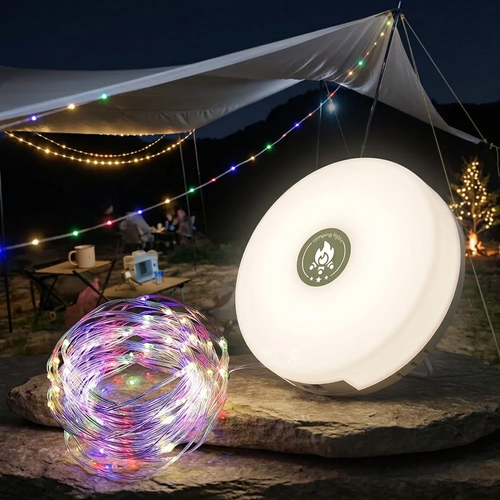
- **Lighting:** A reliable flashlight with extra batteries. Headlamps are also useful as they keep your hands free.
- **Communication:** A battery-powered or hand-crank radio, preferably one that can receive NOAA weather alerts, to stay informed when power is out.
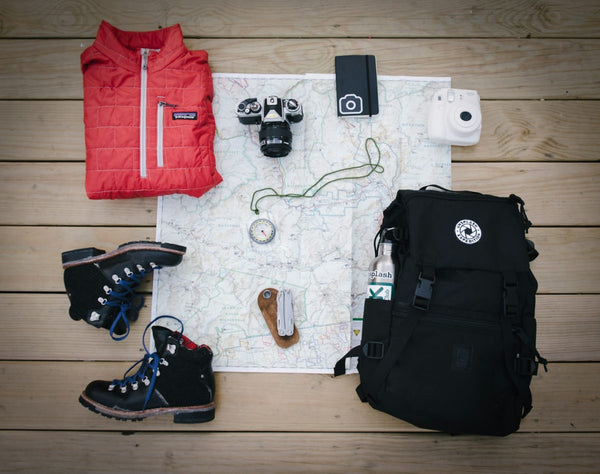
- **Multi-tool:** A sturdy multi-tool with pliers, screwdrivers, and a knife.
- **Whistle:** For signaling for help.
- **Dust Mask:** To filter contaminated air.
- **Shelter-in-Place Items:** Plastic sheeting and duct tape can seal off windows and doors if you need to shelter in place from chemical or biological threats.
- **Utility Shut-off Tools:** A wrench or pliers to turn off utilities if necessary.
- **Fire Starters:** Waterproof matches or a lighter.
- **Navigation:** Local maps in case electronic devices are not working.
5. Prepare Personal Hygiene and Sanitation Items
Maintaining hygiene is important for comfort and preventing the spread of germs.
- **Basics:** Toilet paper, moist towelettes, soap, hand sanitizer.
- **Personal Needs:** Toothbrushes, toothpaste, feminine hygiene products, and any specific personal care items you use daily.
- **Garbage Bags:** For waste disposal.
6. Secure Important Documents
Keep copies of crucial documents in a waterproof, portable container or bag.
- **Identification:** Driver’s licenses, passports.
- **Financial:** Bank account numbers, insurance policies, credit card numbers.
- **Medical:** Medical records, prescription lists.
- **Family Information:** Contact information for family members, doctors, and emergency services.
7. Include Clothing and Shelter Basics
Having appropriate clothing and basic shelter can protect you from the elements.
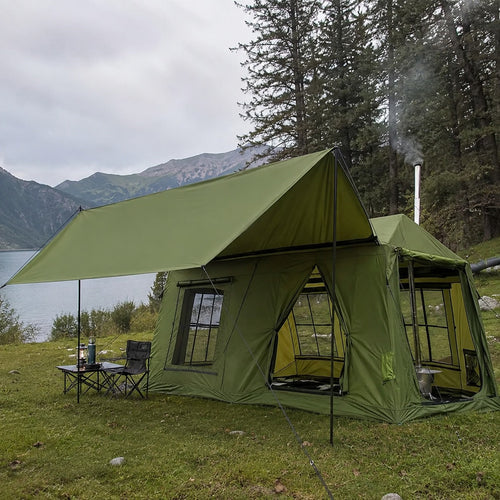
- **Clothing:** At least one complete change of clothes for each person, suitable for various weather conditions. Include sturdy shoes, socks, and rain gear.
- **Warmth:** An emergency blanket (like a Mylar space blanket) or a lightweight sleeping bag for each person.
8. Address Special Needs
Remember that some individuals, including infants, the elderly, or those with disabilities, have unique requirements.
- **Infants:** Formula, diapers, wipes, bottles, pacifiers, infant medications.
- **Elderly/Disabled:** Extra eyeglasses, hearing aid batteries, mobility aids, specific medical supplies.
- **Pets:** Pet food, water, medications, leash, collar with ID, carrier, and a favorite toy to reduce stress.
9. Don’t Forget Cash
When power is out, credit and debit card machines won’t work. Keep a supply of small bills.
- **Small Denominations:** Include enough cash for a few days, mostly in small bills, as change might be limited.
Tips & Common Mistakes When Building Your Kit
Knowing how to build a personal emergency kit for climate events is just the start. Here are some extra tips and things to avoid:
- **Keep it Accessible:** Store your kit in a sturdy, easy-to-carry bag or container in a readily accessible location, like a closet near an exit or in your garage.
- **Customize for Local Risks:** Consider the specific climate events common in your area (e.g., more water for floods, N95 masks for wildfires).
- **Check Expiration Dates:** Foods, water, and medications have expiration dates. Check your kit every 6-12 months and replace items as needed.
- **Practice Your Plan:** Knowing how to build a personal emergency kit for climate events is great, but also have an evacuation plan and meeting points. Practice with your family.
- **Common Mistake: Forgetting Special Needs:** Ensure you’ve accounted for every family member, including pets and those with specific medical requirements.
- **Common Mistake: No Communication Plan:** Don’t just rely on phones; have a family communication plan in place for when cell service is down.
- **Common Mistake: Ignoring Cash:** Assuming credit cards will work can leave you stranded.
Key Takeaways: Your Preparedness Checklist
Knowing how to build a personal emergency kit for climate events is about proactive planning. Remember these core principles:
- **Water First:** Always prioritize sufficient water.
- **Food for Three Days:** Stock non-perishable, easy-to-prepare meals.
- **Medical Readiness:** Keep a complete first aid kit and essential medications.
- **Stay Connected:** Include communication tools like a radio.
- **Don’t Forget the Details:** Cash, documents, and special needs items are crucial.
- **Regular Checks:** Review and refresh your kit at least twice a year.
Frequently Asked Questions
What is the easiest way to How to Build a Personal Emergency Kit for Climate Events?
The easiest way to build a personal emergency kit is to start small and add items gradually. Begin with the absolute essentials: water, non-perishable food, and a basic first aid kit. Then, over a few weeks or months, add other items like a flashlight, radio, personal hygiene supplies, and important documents. Don’t feel pressured to buy everything at once; any level of preparedness is better than none.
How long does it take to How to Build a Personal Emergency Kit for Climate Events?
Building an initial basic emergency kit can take just a few hours if you’re focused and have access to a store. However, a truly comprehensive kit, tailored to all family members and local risks, is an ongoing project. You might spend a day gathering most items, and then dedicate 15-30 minutes every few months to check expiration dates, refresh supplies, and add new items as needs change. Think of it as a continuous process, not a one-time task.
What are the most crucial items in a personal emergency kit for climate events?
The most crucial items in any personal emergency kit for climate events are water, food, and a comprehensive first aid kit. Beyond these life-sustaining basics, reliable light sources (like a flashlight with extra batteries), a communication device (such as a battery-powered radio), and copies of important personal documents are also top priorities. These items address the fundamental needs for survival, health, and staying informed during a crisis.
Conclusion: Empower Yourself Through Preparedness
Understanding how to build a personal emergency kit for climate events is a powerful step towards safeguarding yourself and your loved ones. While we hope you never need to use it, having a well-prepared kit offers immense peace of mind in uncertain times. Start today, even if it’s just by gathering the first few items, and gradually build your way to a comprehensive emergency plan. Your future self will thank you.
Looking for more inspiration? Explore the full Mavigadget Gift Ideas Collection for creative solutions.
Filed under
Written by
Cloe
Outdoor & Travel, MaviGadget
Cloe writes for the MaviGadget Journal, testing the gadgets that promise to change your day and reporting honestly on the ones that actually do.