Unlock Your Dream Adventure: The Ultimate Low-Budget Trip Planning Guide
How to Plan a Perfect Trip on a Low Budget: Your Ultimate Step-by-Step Guide How to Plan a Perfect Trip on a Low Budget: Your Ultimate Step-by-Step Guide Dreaming of an adventure but worried about the cost? You’re not alone. Many people believe that travel is an expensive luxury, but that’s not always true. With […]

How to Plan a Perfect Trip on a Low Budget: Your Ultimate Step-by-Step Guide
Dreaming of an adventure but worried about the cost? You’re not alone. Many people believe that travel is an expensive luxury, but that’s not always true. With a smart approach and a few clever strategies, you can absolutely plan a perfect trip on a low budget and explore the world without emptying your wallet.
This guide will walk you through everything you need to know to make your travel dreams a budget-friendly reality. We’ll show you how to cut costs, find deals, and enjoy incredible experiences without overspending.
Quick Summary: Planning Your Affordable Adventure
To plan a perfect trip on a low budget, focus on these key areas:
- Budget First: Know your spending limit before anything else.
- Flexibility is Key: Be open to different dates and destinations for the best deals.
- Smart Choices: Opt for off-peak travel, budget accommodation, and local food experiences.
- Research Thoroughly: Compare prices and look for free activities.
Step-by-Step Instructions: How to Plan a Perfect Trip on a Low Budget
Ready to start planning? Follow these steps to craft an amazing trip that fits your budget.
1. Define Your Budget and Financial Goals
Before you even think about destinations, set a realistic budget. This is the foundation of planning a perfect trip on a low budget. How much can you truly afford to spend? Be honest with yourself. This includes everything: flights, accommodation, food, activities, transportation, and even a small emergency fund.
- Calculate Your Savings: Look at your current savings and what you can realistically save before your trip.
- Set a Daily Limit: Break down your total budget by the number of days you plan to travel. This helps you visualize daily spending.
- Track Expenses: Use a spreadsheet or an app to keep track of every dollar.
2. Choose Your Destination Wisely
Some places are simply more expensive than others. Picking an affordable destination is one of the biggest ways to plan a perfect trip on a low budget.
- Research Cost of Living: Look up average costs for food, transport, and attractions in potential destinations. Countries in Southeast Asia, Eastern Europe, Central America, or certain regions within larger countries often offer better value.
- Consider Local Currency: A destination where your home currency goes further will naturally be more budget-friendly.
- Avoid Tourist Traps: Extremely popular cities or resorts often have inflated prices. Look for less-known but equally beautiful alternatives.
3. Be Flexible with Your Travel Dates
When you travel can impact your budget significantly. Peak season, holidays, and school breaks usually mean higher prices.
- Travel During Off-Peak Season: Flights and accommodation are generally cheaper during the shoulder season (just before or after peak season) or the true off-season. You might also encounter fewer crowds.
- Be Flexible with Weekdays: Flying on Tuesdays, Wednesdays, or Saturdays can often be cheaper than other days.
- Use Flight Comparison Tools: Websites like Google Flights, Skyscanner, or Kayak allow you to view prices across entire months or even compare “everywhere” destinations from your home airport.
4. Find Affordable Flights and Transportation
Flights are often the biggest expense. Smart booking can make a huge difference.
- Book in Advance (But Not Too Early): For international flights, 2-8 months out is often ideal. For domestic, 1-4 months.
- Use Budget Airlines: Be aware of baggage fees and other add-ons, but these can offer significant savings for short-haul flights.
- Consider Alternative Airports: Sometimes flying into a smaller airport nearby and taking ground transport to your final destination can save money.
- Ground Transportation: For shorter distances, trains or long-distance buses can be much cheaper than flying, and they offer a different way to see the country.
- Public Transit: Once at your destination, rely on local buses, subways, or trams instead of taxis or ride-shares, which can add up quickly.
5. Smart Accommodation Choices
Where you sleep can take a large chunk out of your budget. Think creatively to save money.
- Hostels: Private rooms or dorms in hostels are incredibly budget-friendly, especially for solo travelers. They also offer a great way to meet people.
- Guesthouses/B&Bs: Often more affordable and offer a local experience compared to large hotels.
- Airbnb/Vacation Rentals: If traveling with a group or for longer periods, renting an apartment can be cost-effective, especially if it includes a kitchen.
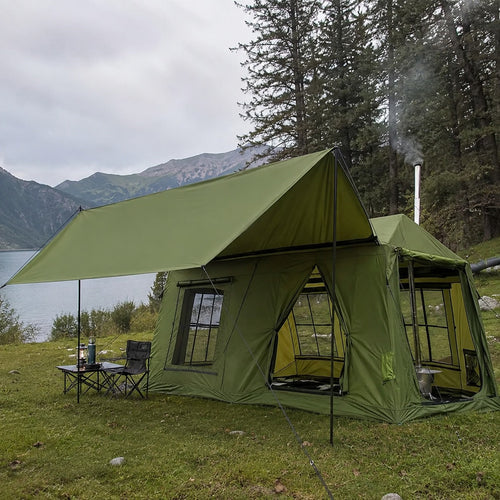
- Camping: For nature lovers, camping or glamping can be an extremely cheap way to stay.
- House-sitting/Couchsurfing: For the truly adventurous, these options offer free accommodation in exchange for looking after a home or simply sharing a space.
- Stay Outside the City Center: Accommodation just outside the main tourist zones is usually cheaper, and you can easily commute using public transport.
6. Eat Like a Local and Save on Food
Food expenses can quickly spiral out of control. Eating smart is a crucial part of planning a perfect trip on a low budget.
- Cook Your Own Meals: If your accommodation has a kitchen, buying groceries and cooking a few meals (especially breakfast and packed lunches) can save a lot.
- Eat Street Food: In many cultures, street food is delicious, authentic, and incredibly cheap. Look for busy stalls with long lines of locals.
- Visit Local Markets: Grab fresh produce, snacks, and local delicacies for a fraction of restaurant prices.
- Avoid Tourist Restaurants: Restaurants in prime tourist areas are often overpriced and not always the best quality. Wander a few blocks away for better value.
- Pack Snacks: Bring some non-perishable snacks from home to avoid buying expensive convenience store items while out.
- Drink Tap Water: If safe, carry a reusable water bottle to refill and avoid buying bottled water.
7. Focus on Free and Low-Cost Activities
You don’t need to spend a fortune to have incredible experiences.
- Walking Tours: Many cities offer free walking tours (tip-based) that provide a great overview and local insights.
- Parks and Nature: Explore national parks, local gardens, beaches, and hiking trails, which are often free or have minimal entrance fees.
- Museums and Galleries: Check for free admission days or evenings. Many cities have excellent public museums that are always free.
- Self-Guided Exploration: Simply wander through neighborhoods, soak in the atmosphere, and discover hidden gems.
- Local Events: Look for free festivals, concerts, or markets happening during your visit.
8. Pack Light and Smart
Overpacking can lead to unexpected fees and hassle.
- Avoid Baggage Fees: Stick to carry-on luggage if possible. Budget airlines are notorious for charging for checked bags.
- Essentials Only: Make a list and only bring what you truly need. You can always buy small forgotten items at your destination.
- Layering: Pack versatile clothing that can be layered for different temperatures and occasions.
9. Track Your Spending During the Trip
Even with careful planning, it’s easy to overspend if you’re not mindful while traveling.
- Daily Check-ins: Take a few minutes each evening to review your spending for the day against your budget.
- Use Budget Apps: Many free apps can help you track expenses on the go.
- Be Mindful of ATMs: Use ATMs associated with major banks to minimize fees, and withdraw larger sums less often.
Tips for Planning a Perfect Trip on a Low Budget
- Create an Itinerary (But Stay Flexible): Having a loose plan helps you identify free activities and potential costs, but leave room for spontaneous discoveries.
- Consider Travel Insurance: While an upfront cost, good travel insurance can save you a fortune if something goes wrong (medical emergencies, lost luggage, etc.).
- Get a Local SIM Card: This is often cheaper than international roaming and helps you navigate and stay connected without relying on Wi-Fi.
- Travel in a Group: Sharing costs for accommodation, transport, and even food can significantly reduce individual expenses.
Common Mistakes to Avoid When Traveling on a Budget
- Not Researching Enough: Showing up without knowing local prices or transport options can lead to overspending.
- Ignoring Hidden Fees: Be aware of resort fees, baggage fees, ATM fees, and currency conversion charges.
- Last-Minute Bookings: While sometimes you can find a deal, flights and popular accommodations often cost more closer to the travel date.
- Buying Too Many Souvenirs: These add up quickly and take up valuable luggage space. Focus on experiences over physical items.
- Eating Every Meal Out: This is a major budget killer. Mix in self-cooked meals and street food.
Key Takeaways: Your Low-Budget Travel Blueprint
- Planning a perfect trip on a low budget requires strategic choices from start to finish.
- Your budget and choice of destination are your first and most impactful decisions.
- Flexibility with dates and open-mindedness to different accommodation and food options are key.
- Prioritize experiences over expenses by seeking out free or low-cost activities.
- Consistent tracking of your spending will help you stay within your financial limits.
Frequently Asked Questions
What is the easiest way to plan a perfect trip on a low budget?
The easiest way to plan a perfect trip on a low budget is to start by defining a clear financial limit and choosing a naturally affordable destination. Being flexible with your travel dates to go during the off-peak season is also one of the most effective ways to save money quickly on flights and accommodation.
How far in advance should I plan a perfect trip on a low budget?
For budget travel, it’s generally best to start planning at least 2-3 months in advance for domestic trips and 4-8 months for international travel. This gives you time to research deals, compare prices for flights and accommodation, and save money. However, for spontaneous road trips or very short getaways, 2-4 weeks can be enough.
What are the biggest money-savers when planning a perfect trip on a low budget?
The biggest money-savers when planning a perfect trip on a low budget include:
- Being flexible with travel dates and destinations (e.g., traveling off-season).
- Opting for budget accommodation like hostels or guesthouses.
- Cooking some of your own meals and eating local street food.
- Utilizing public transportation and walking instead of taxis.
- Focusing on free or low-cost activities such as parks, free museums, and self-guided tours.
Start Your Affordable Adventure Today!
Planning a perfect trip on a low budget isn’t just about saving money; it’s about smart travel, immersive experiences, and proving that incredible adventures don’t require a hefty price tag. By following these steps, you’re well on your way to exploring new places, creating lasting memories, and doing it all within your means. So, pick your destination, set your budget, and get ready for an unforgettable journey!
Looking for more inspiration? Explore the full Mavigadget Gift Ideas Collection for creative solutions.
Filed under
Written by
Arthur
Outdoor & Travel, MaviGadget
Arthur writes for the MaviGadget Journal, testing the gadgets that promise to change your day and reporting honestly on the ones that actually do.