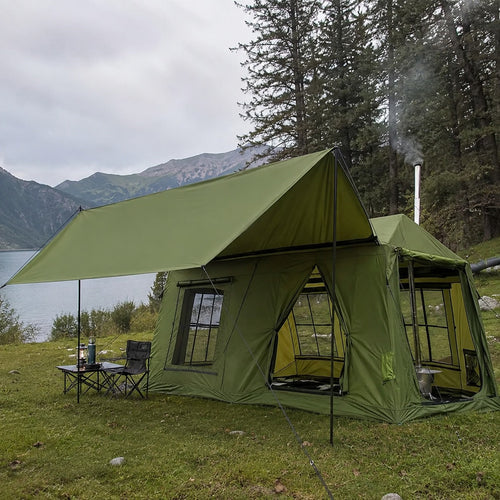
Staying Charged in the Wild: Your Guide to Powering Devices While Camping
Staying Powered Up: Your Guide to Charging Devices While Camping Off-Grid Staying Connected in the Wild: A Guide to Charging Your Devices While Camping Heading out into the great outdoors is an amazing experience. Fresh air, stunning scenery, and a break from the everyday grind—what’s not to love? But even when escaping civilization, many of […]

Staying Connected in the Wild: A Guide to Charging Your Devices While Camping
Heading out into the great outdoors is an amazing experience. Fresh air, stunning scenery, and a break from the everyday grind—what’s not to love? But even when escaping civilization, many of us still want to stay connected, whether it’s to capture photos, check the weather, or just stay in touch with loved ones. The good news is, you don’t have to sacrifice your devices to enjoy the wilderness. This guide will walk you through the best ways to charge your phone, camera, and other essential gadgets while camping off-grid, ensuring you have power when you need it.
Understanding Your Power Needs: What to Consider
Before you start buying chargers, take a moment to assess your needs. Consider the types of devices you’ll be bringing and how frequently you’ll use them. A serious photographer with multiple cameras and a laptop will have vastly different power requirements than someone who just needs to top up their phone occasionally. Here are some factors to keep in mind:
- Device Types: What exactly are you bringing? Smartphones, tablets, cameras, GPS devices, and even headlamps all need power.
- Usage: How often will you be using each device? Are you snapping photos all day, or just checking messages?
- Battery Capacity: Each device has a different battery capacity. Knowing how much power your devices consume helps you plan.
- Trip Length: A weekend camping trip will have different power demands compared to a week-long backpacking adventure.
Power Up with the Sun: Solar Chargers for Camping
Solar chargers are a fantastic option for off-grid camping, harnessing the power of the sun to charge your devices. They’re eco-friendly and can provide a reliable source of power, especially on sunny days. Let’s explore the different types and what to look for:
Types of Solar Chargers
- Solar Panels: These are the most common type. They come in various sizes, from small, foldable panels designed for charging phones to larger panels that can power several devices or even charge a car battery.
- Solar Power Banks: These combine a solar panel with a built-in battery. They store energy from the sun and can charge your devices later, even when the sun isn’t shining.
Key Features to Look For
- Wattage: This indicates how much power the panel can generate. Higher wattage panels charge faster.
- Portability: Look for panels that are lightweight and foldable, making them easy to pack and carry.
- Durability: Camping equipment needs to withstand the elements. Choose panels that are water-resistant and made from durable materials.
- USB Ports: Ensure the panel has the necessary USB ports (USB-A, USB-C) to connect to your devices.
- Charging Speed: Check reviews to see how quickly the charger actually charges devices in real-world conditions.
Tips for Using Solar Chargers
- Positioning: Place your solar panel in direct sunlight for optimal charging. Tilt it towards the sun for maximum exposure.
- Weather: Solar charging is less effective on cloudy days. Consider bringing a backup charging option.
- Charging Times: Be patient. Charging times with solar panels can vary depending on sunlight and panel efficiency.
- Angle: Adjust the panel’s angle throughout the day as the sun moves across the sky.
The Reliable Backup: Power Banks for Camping
Power banks (also known as portable chargers or external batteries) are essential camping companions. They store electricity and can be used to charge your devices anytime, anywhere. They’re a great backup option, especially when sunlight is limited.
Choosing the Right Power Bank
- Capacity: Measured in milliampere-hours (mAh), the capacity determines how many times you can charge your devices. Choose a capacity based on your needs. A typical smartphone might need a 10,000mAh power bank for several full charges.
- Ports: Make sure the power bank has the necessary ports (USB-A, USB-C) to charge your devices. Consider the number of ports if you need to charge multiple devices simultaneously.
- Charging Speed: Look for fast-charging capabilities (e.g., Power Delivery, Quick Charge) to reduce charging times.
- Size and Weight: Choose a power bank that is portable and easy to carry, especially if you’re backpacking.
- Durability: Select a power bank that’s rugged and water-resistant to withstand outdoor conditions.
Tips for Using Power Banks
- Charge Before You Go: Fully charge your power bank before your camping trip.
- Protect from the Elements: Keep your power bank dry and protected from extreme temperatures.
- Monitor Remaining Power: Check the battery level of your power bank regularly to avoid running out of power.
- Consider Recharge Options: Think about how you’ll recharge your power bank. Solar chargers or a car charger (if applicable) are good options.
Power from Your Vehicle: Car Chargers for Camping
If you’re camping near your vehicle, car chargers can be a convenient way to charge your devices. They utilize the car’s battery to provide power. However, use these cautiously to avoid draining your car battery completely.
Using Car Chargers Safely
- Car Battery Health: Ensure your car battery is in good condition before relying on it for charging.
- Running the Engine: It’s generally a good idea to start your car’s engine while charging devices to prevent battery drain, especially if you’re charging multiple devices.
- Charger Types: Choose a car charger with USB ports that are compatible with your devices (USB-A or USB-C).
- Adapters: Some car chargers may require an adapter for specific device types.
Other Power Solutions for the Campsite
Besides solar chargers, power banks, and car chargers, there are other less common but still useful options.
- Fuel Cell Chargers: These use fuel, such as methanol, to generate electricity. They are portable and offer a consistent power source, but the fuel can be expensive and requires special handling.
- Hand Crank Chargers: These require manual cranking to generate power. They’re suitable for emergency situations, but are not the most efficient or convenient option.
- Generator: Portable generators can be used to supply a significant amount of power. They are noisy and require fuel, making them less ideal for many camping trips.
Best Practices for Power Management While Camping
Regardless of the charging method you choose, good power management will help you conserve energy and keep your devices running longer. Here are some helpful tips:
- Turn Off Unused Features: Disable Wi-Fi, Bluetooth, and location services when not in use.
- Lower Screen Brightness: Reduce screen brightness to conserve battery power.
- Close Unused Apps: Close apps running in the background that consume battery life.
- Use Airplane Mode: Activate airplane mode when you don’t need a cellular connection.
- Bring Extra Batteries: For cameras, consider bringing extra batteries, which are easier to swap out than waiting for a charge.
- Power Down: Consider powering down devices when not in active use.
- Consider a Power Strip: If charging multiple devices using a power bank or solar panel, a power strip with multiple USB ports can maximize efficiency.
Troubleshooting Common Charging Issues While Camping
Even with the best equipment, you might encounter some charging problems in the great outdoors. Here’s how to address a few common issues:
- Panel Isn’t Charging: Ensure the solar panel is in direct sunlight, clear of any shadows. Check the connections and make sure the panel is angled correctly.
- Device Isn’t Charging: Try a different charging cable or port. Check if the device itself is turned on and the charging indicator is lit.
- Power Bank Isn’t Charging: Make sure the power bank is connected to a working power source (e.g., a solar panel or car charger).
- Slow Charging: Charging can be slower on cloudy days. Patience is key. You might also try using a faster charging cable if available.
Choosing the Right Gear: A Summary
Selecting the best charging solution depends on your specific camping style, devices, and needs. For most campers, a combination of solar chargers and power banks provides the best balance of reliability, portability, and eco-friendliness. Consider these guidelines:
- Short Trips: A high-capacity power bank is an excellent choice for weekend trips.
- Longer Adventures: Combine a solar charger with a power bank for extended off-grid adventures.
- Vehicle-Based Camping: Car chargers are convenient if you have access to your vehicle.
- Photography-Focused Trips: Bring extra camera batteries and a power bank or solar charger to keep your camera ready to go.
- Lightweight Backpacking: Prioritize a lightweight, portable solar charger or power bank.
Staying Connected, Without Sacrificing the Wilderness
Camping is all about disconnecting from the everyday and embracing nature. However, a charged phone or camera can enhance your experience, allowing you to capture memories and stay connected with loved ones. By choosing the right charging solutions and practicing good power management, you can enjoy the best of both worlds – the freedom of the outdoors and the convenience of modern technology.
So, pack your bags, gather your gear, and head out on your next adventure, fully prepared to stay connected and capture all the beauty that nature has to offer! With a little planning, you can keep your devices powered up and make the most of your camping experience. Happy camping!
“`
Filed under
Written by
Kevin
Outdoor & Travel, MaviGadget
Kevin writes for the MaviGadget Journal, testing the gadgets that promise to change your day and reporting honestly on the ones that actually do.