Sleep Like a Baby Under the Stars: Your Ultimate Guide to Comfortable Tent Camping
Sleep Like a Baby Under the Stars: Your Guide to Comfortable Tent Camping How to Sleep Comfortably in a Tent: Your Best Night’s Sleep, Anywhere Dreaming of a camping trip? The idea of sleeping under the stars is undeniably romantic. But the reality of a lumpy sleeping bag, a cold breeze, and an uneven ground […]

How to Sleep Comfortably in a Tent: Your Best Night’s Sleep, Anywhere
Dreaming of a camping trip? The idea of sleeping under the stars is undeniably romantic. But the reality of a lumpy sleeping bag, a cold breeze, and an uneven ground can quickly turn that dream into a restless night. Don’t worry! Getting a good night’s sleep in a tent is absolutely possible. With a little preparation and the right gear, you can transform your tent into a cozy, comfortable haven, even if you’re not an experienced camper. This guide will walk you through everything you need to know for a truly restful camping experience.
Choosing the Right Tent: Your Shelter’s Impact on Sleep
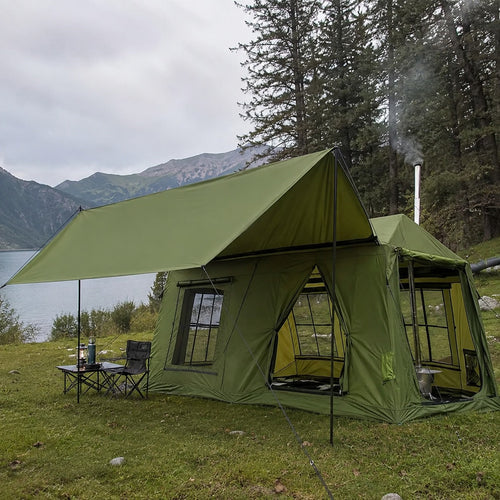
Your tent is your bedroom away from home, so choose wisely! Several factors will influence your comfort levels. Consider these points:
- Size Matters: Select a tent that’s spacious enough for the number of people sleeping in it, plus your gear. A tent advertised for four people might feel cramped with four adults and their backpacks. Give yourself some elbow room!
- Seasonality: Not all tents are created equal. If you’re camping in the shoulder seasons (spring or fall) or potentially facing rain, choose a tent designed for three or four seasons. These tents are more durable and weather-resistant. For summer camping, a tent with good ventilation is key to prevent overheating.
- Ease of Setup: After a long day of hiking, the last thing you want is a complex tent setup. Look for tents with simple, intuitive designs. Practice setting up your tent at home before your trip!
- Features: Consider features like vestibules (covered entryways for storing gear), multiple doors, and built-in storage pockets. These can significantly improve your overall camping experience.
Creating a Comfortable Sleeping Surface: Foundation for a Good Night
The ground beneath your tent is often the biggest obstacle to a good night’s sleep. Uneven terrain, rocks, and roots can make for a very uncomfortable night. Here’s how to create a comfortable sleeping surface:
- Site Selection: Before setting up your tent, carefully inspect the area. Choose a relatively flat spot, free of rocks, roots, and depressions. Clear away any debris.
- Ground Protection: A ground tarp or footprint is essential. This waterproof layer goes under your tent to protect the tent floor from punctures and abrasion. It also helps to keep moisture from seeping up from the ground.
-
Sleeping Pad: This is arguably the single most important piece of gear for comfortable tent sleeping. Sleeping pads provide cushioning, insulation, and support. There are several types to consider:
- Foam Pads: Affordable and durable, foam pads are a good option for budget-conscious campers. They offer decent insulation but can be bulky.
- Self-Inflating Pads: These pads combine the comfort of air with the insulation of foam. They inflate partially on their own and require a few breaths to fully inflate.
- Air Pads: Lightweight and compact, air pads provide excellent cushioning and insulation. They typically require a pump to inflate.
- Consider a Cot: If space and weight aren’t a concern, a camping cot can provide a truly luxurious sleeping experience, keeping you off the ground and offering excellent ventilation.
Choosing the Right Sleeping Bag: Warmth and Insulation
A sleeping bag is your primary source of warmth and comfort at night. Selecting the right one is crucial for a good night’s sleep. Here’s what to look for:
- Temperature Rating: Sleeping bags are rated by temperature. Choose a bag rated for temperatures lower than what you expect to experience. It’s always better to be a little too warm and vent the bag than to be shivering all night.
-
Insulation Type:
- Down Sleeping Bags: These bags are incredibly warm, lightweight, and compressible. They are excellent for cold-weather camping. However, down loses its insulating properties when wet.
- Synthetic Sleeping Bags: These bags are more affordable and perform better when wet. They dry faster than down but are generally heavier and bulkier.
-
Shape and Size:
- Mummy Bags: These bags are shaped to fit your body closely, maximizing warmth.
- Rectangular Bags: These bags offer more room to move around but are generally less warm.
- Consider a Sleeping Bag Liner: A sleeping bag liner can add extra warmth, protect your sleeping bag from dirt and body oils, and make it easier to wash.
Making Your Tent Feel Like Home: Enhancing Comfort
Beyond the basics, you can add touches that make your tent feel more like a cozy retreat:
- Pillows: Don’t underestimate the importance of a good pillow! Bring your favorite pillow from home, or opt for a compact camping pillow.
- Blankets: Extra blankets can provide an extra layer of warmth, especially on chilly nights. They can also serve as a comfy surface for reading or relaxing inside your tent.
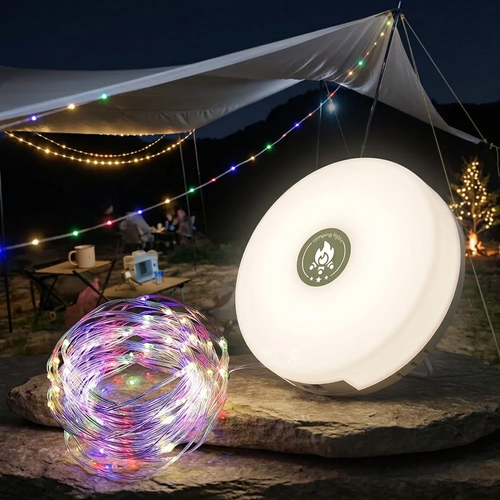
- Lighting: A headlamp is essential for navigating in the dark. Consider bringing a lantern or string lights for ambient lighting inside your tent.
- Organizers: Utilize hanging organizers or storage pockets to keep your tent tidy and your belongings within easy reach.
- Earplugs and Eye Masks: These can be lifesavers for light sleepers. Earplugs block out noise, while an eye mask can help you sleep in when the sun rises.
Tips for a Restful Sleep: Pre-Sleep Rituals and Strategies
Just like at home, establishing a bedtime routine can help you fall asleep more easily in your tent. Here are some tips:
- Get Comfortable Before Dark: Set up your tent and sleeping area well before sunset. This will give you plenty of time to arrange everything and address any issues.
- Hydrate and Eat Wisely: Drink plenty of water throughout the day, but avoid excessive fluid intake before bed. Eat a satisfying dinner, but avoid overly heavy or spicy foods that might upset your stomach.
- Wind Down: Engage in relaxing activities before bed, such as reading, journaling, or stargazing. Avoid using electronic devices, as the blue light can interfere with sleep.
- Dress Appropriately: Wear loose-fitting, comfortable clothing to bed. Avoid tight or restrictive clothing.
- Ventilation: Ensure adequate ventilation in your tent to prevent condensation and stuffiness.
- Address Discomforts Promptly: If you’re cold, add a layer. If you’re uncomfortable, adjust your sleeping position or rearrange your sleeping pad. Don’t suffer in silence!
Dealing with Common Camping Sleep Issues
Even with the best preparation, you might encounter some sleep challenges while camping. Here’s how to handle them:
- Noise: Nature can be noisy! Earplugs can help block out distracting sounds. Consider moving your tent to a quieter location if possible.
- Temperature Fluctuations: Layer your clothing and use your sleeping bag’s features (like a hood or zipper vents) to regulate your temperature.
- Bathroom Breaks: Make sure to go to the bathroom before bed. Keep a headlamp or flashlight within easy reach for nighttime trips.
- Anxiety: If you find yourself feeling anxious about being outdoors, try deep breathing exercises or meditation to calm your mind.
Gear Recommendations for a Comfortable Camping Experience
To help you get started, here are a few specific gear recommendations:
-
Tents:
- Budget-Friendly: Coleman Sundome Tent (reliable and easy to set up)
- Mid-Range: REI Co-op Half Dome 2 Plus (durable and versatile)
- High-End: Big Agnes Copper Spur HV UL2 (lightweight and spacious)
-
Sleeping Pads:
- Foam: Therm-a-Rest Z Lite SOL (durable and affordable)
- Self-Inflating: Therm-a-Rest ProLite Plus (comfortable and compact)
- Air: Sea to Summit Ether Light XT Insulated (lightweight and supportive)
-
Sleeping Bags:
- Synthetic: Kelty Galactic 30 Degree Sleeping Bag (warm and budget-friendly)
- Down: REI Co-op Magma 15 (lightweight and incredibly warm)
Remember, the best gear is the gear that works for you. Consider your individual needs, budget, and the type of camping you plan to do when making your selections.
Beyond the Basics: Leveling Up Your Tent Comfort
Ready to take your tent camping comfort to the next level? Consider these extra touches:
- Rugs or Mats: A small rug or mat inside your tent can add a touch of homey comfort and help to trap dirt.
- String Lights or Fairy Lights: These create a warm and inviting atmosphere inside your tent.
- Camp Chairs: A comfortable camp chair is a must-have for relaxing outside your tent, especially for enjoying a morning coffee or evening stargazing.
- Portable Power Bank: Keep your phone and other devices charged with a portable power bank.
Practicing and Planning: The Key to a Perfect Camping Sleep
Preparation is key! Before your trip, take the time to practice setting up your tent and familiarizing yourself with your gear. This will save you time and frustration at the campsite. Also, plan ahead by:
- Checking the weather forecast.
- Packing extra layers.
- Bringing a first-aid kit.
- Knowing the location of the nearest campground facilities.
By being prepared, you can relax and enjoy the beauty of the outdoors.
The Ultimate Sleep Experience: Combining Comfort and Adventure
Sleeping comfortably in a tent doesn’t have to be a challenge. By choosing the right gear, creating a comfortable sleeping surface, and establishing a relaxing bedtime routine, you can transform your tent into a cozy retreat. Whether you’re a seasoned camper or a first-timer, these tips will help you enjoy a restful night’s sleep and wake up refreshed, ready to explore the wonders of nature. Consider this article as your guide to achieving the best sleep of your life under the stars.
So, pack your bags, gather your gear, and get ready for an unforgettable camping adventure filled with peaceful nights and energizing mornings. Happy camping!
“`
Filed under
Written by
Kevin
Outdoor & Travel, MaviGadget
Kevin writes for the MaviGadget Journal, testing the gadgets that promise to change your day and reporting honestly on the ones that actually do.