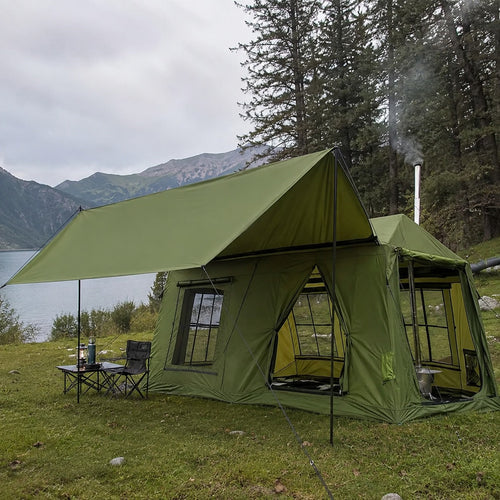
Road Trip Ready: Your Stress-Free Guide to Planning the Perfect Adventure
Road Trip Ready: A Stress-Free Guide to Planning Your Adventure Road Trip Ready: A Stress-Free Guide to Planning Your Adventure Dreaming of hitting the open road? There’s something undeniably alluring about the freedom of a road trip. The wind in your hair, the changing scenery, and the chance to explore new places are all part […]

Road Trip Ready: A Stress-Free Guide to Planning Your Adventure
Dreaming of hitting the open road? There’s something undeniably alluring about the freedom of a road trip. The wind in your hair, the changing scenery, and the chance to explore new places are all part of the appeal. But the thought of planning a road trip can sometimes feel overwhelming. Fear not! This guide will walk you through the process step-by-step, helping you plan an amazing adventure without the stress.
1. Dream It, Plan It: Defining Your Road Trip
Before you even think about packing a bag, it’s time to solidify your vision. This is where the fun begins! Start by brainstorming. Where do you want to go? Think about the type of experience you want. Are you envisioning a relaxing coastal drive, a thrilling mountain adventure, or a historical exploration? Consider your interests, whether they are food, nature, culture, or something else. Knowing your goals helps narrow down the options.
- Destination Selection: What locations are on your bucket list? Research potential destinations based on your interests and the time of year you plan to travel.
- Trip Duration: How much time do you have? A weekend getaway requires different planning than a month-long cross-country journey.
- Travel Companions: Who’s coming along? Traveling solo, with a partner, family, or friends will impact your itinerary and choices.
- Budget: How much can you realistically spend on this adventure? Consider gas, accommodation, food, activities, and potential emergencies.
Once you have a clearer picture, you can create a basic itinerary. Don’t worry about every detail at this stage. A general route and key stops are a great start. Consider using a travel planning app or a simple spreadsheet to get organized.
2. Charting the Course: Mapping Out Your Road Trip Itinerary
Now it’s time to get into the nitty-gritty of planning your route. A well-planned itinerary can make the difference between a smooth, enjoyable trip and a stressful ordeal. This stage is crucial for figuring out the route and estimated driving times, and what to do along the way.
- Choose Your Route: Use online mapping tools like Google Maps or dedicated road trip planning websites and apps to map out your route. These tools offer various ways to calculate driving times, suggest points of interest, and find accommodation options.
- Driving Time Estimates: Account for realistic driving times. Don’t underestimate how long it takes to travel between locations. Factor in traffic, rest stops, and potential delays. A good rule of thumb is to plan for no more than 6-8 hours of driving per day.
- Must-See Stops: Research attractions, landmarks, restaurants, and activities along your route. Create a list of places you want to visit. Be realistic; you can’t see everything! Prioritize and choose what’s most important to you.
- Accommodation Planning: Decide on your accommodation strategy. Do you prefer hotels, motels, campsites, or vacation rentals? Book in advance, especially during peak season or if you’re traveling to popular locations. Check the cancellation policies.
- Flexibility is Key: Build in some flexibility. Road trips should be about spontaneity. Unexpected discoveries and detours often make the best memories! Leave room in your schedule for spontaneous adventures.
Consider using a road trip planner app or a travel journal to keep track of your itinerary, accommodation bookings, and must-see places.
3. Packing Smarter, Not Harder: Preparing for the Open Road
Packing can be a real challenge. The key is to pack strategically. Consider the season, the climate, and the activities you have planned. Less is often more, so pack light to make packing and unpacking easier. Proper packing helps you stay organized and comfortable on the road.
- Clothing: Pack versatile clothing that can be layered. Include essentials like comfortable shoes, weather-appropriate outerwear, and items suitable for various activities.
- Toiletries: Travel-sized toiletries save space. Don’t forget sunscreen, insect repellent, and any personal medications.
- Essentials: Pack a first-aid kit, a flashlight, a car charger, and any necessary documents (identification, insurance information, and copies of important travel documents).
- Entertainment: Pack books, audiobooks, podcasts, music playlists, or games to keep you entertained during long drives.
- Vehicle-Specific Items: Include a car emergency kit with jumper cables, a spare tire, a jack, a first-aid kit, and essential tools.
- Organization Hacks: Use packing cubes, reusable bags, or other organizational tools to keep your belongings organized.
Before you leave, double-check your packing list. It’s easy to forget essential items!
4. Choosing Your Wheels: Selecting the Right Vehicle
The vehicle is your home on wheels. The best choice for you will depend on the type of road trip, the number of travelers, and your budget. Consider the factors below.
- Your Needs: Will you be traveling solo, with a partner, or with a family? A small car might suffice for one or two people, while a larger vehicle like an SUV or minivan is better for groups.
- Terrain: Are you sticking to paved roads or exploring rough terrain? For off-roading, you’ll need a vehicle equipped for that purpose.
- Comfort: Consider the comfort of your vehicle. Is there enough space for passengers and luggage? Do you have the space for a comfortable driving position?
- Fuel Efficiency: The more fuel-efficient your vehicle, the lower your costs will be. This is especially important for long-distance road trips.
- Vehicle Reliability: Make sure your vehicle is in good working order before you leave. Consider getting a tune-up and servicing before your road trip.
If you don’t own a suitable vehicle, consider renting one. Make sure you have the necessary insurance coverage. Ensure you feel comfortable with your vehicle of choice before committing to a road trip!
5. Budgeting and Finances: Staying on Track
Road trips can be expensive. Create a realistic budget to avoid financial stress. Determine your spending limits, and plan accordingly. This stage helps you stay on track financially during your trip.
- Estimate Costs: Research and estimate costs for gas, accommodation, food, activities, and potential emergencies.
- Set a Daily Budget: Divide your total budget by the number of days to determine a daily spending limit.
- Track Expenses: Use a budgeting app, spreadsheet, or notebook to track your spending.
- Accommodation Costs: Accommodation can be a significant expense. Look into options like camping, budget motels, or vacation rentals to lower your lodging costs.
- Food Costs: Cooking some of your meals or packing snacks can help save money. Research local grocery stores and compare prices.
- Emergency Fund: Set aside a small emergency fund to cover unexpected expenses, such as car repairs.
- Saving Money Tips: Look for free activities. Take advantage of happy hours and discount deals.
Review your budget periodically to make adjustments as needed. This helps to ensure you stay within your financial means.
6. Pre-Trip Preparations: Getting Your Vehicle Road-Ready
Before your adventure begins, you need to take care of some pre-trip preparations. Your vehicle needs to be in tip-top shape. Thorough preparation will prevent potential breakdowns and inconveniences while on the road.
- Vehicle Maintenance: Get your car serviced. Check your tires, fluids, brakes, and lights. Make any necessary repairs.
- Check Your Insurance: Ensure your car insurance is up to date. Review the coverage and consider additional coverage if needed.
- Pack an Emergency Kit: Include jumper cables, a first-aid kit, a flashlight, a spare tire, and essential tools.
- Review Driving Laws: Brush up on the traffic laws in the states or regions you’ll be traveling through.
- Inform Others: Let someone know your itinerary, and check in regularly.
- Download Important Documents: Save digital copies of your driver’s license, insurance, and other important documents.
These preparations ensure you have a smooth and safe journey. A pre-trip checklist will help you cover all the bases.
7. Navigation and Communication: Staying Connected
Staying connected is essential for navigation, communication, and accessing information while on the road. Thankfully, technology makes this easier than ever. However, being prepared for potential disruptions is key.
- GPS and Navigation: Use a GPS device or a navigation app on your smartphone. Make sure you download offline maps in case of a spotty connection.
- Cell Service and Wi-Fi: Confirm your phone plan includes the areas you will be traveling through. Consider a Wi-Fi hotspot for reliable internet access.
- Communication: Let friends and family know your itinerary and check in regularly. Share your location if you feel comfortable.
- Stay Informed: Use apps or websites to monitor traffic, weather conditions, and road closures.
- Emergency Contacts: Have emergency contact information readily available.
Having a reliable navigation system and the ability to communicate keeps you connected and safe throughout your travels.
8. Embrace the Flexibility: Adapting to the Unexpected
Road trips are often about the unexpected. Embrace the changes, and be prepared to adapt. This is the key to turning potential setbacks into great memories.
- Be Open to Change: Be flexible with your itinerary. Allow for spontaneous detours, unexpected discoveries, and changes in plans.
- Expect Delays: Factor in potential delays caused by traffic, weather, or other unforeseen circumstances.
- Pack a Sense of Humor: Unexpected situations often make for the best stories. Maintain a positive attitude and embrace the experience.
- Rest When You Need It: Don’t push yourself to drive too long without breaks. Pull over and rest when needed.
- Emergency Plan: Have a plan for emergencies, such as car trouble or medical issues. Know where to find roadside assistance and medical facilities.
Flexibility and a positive attitude will make your road trip a success, even when things don’t go as planned.
9. Road Trip Entertainment: Making the Journey Enjoyable
Long drives can sometimes be tiring. However, there are many ways to keep yourself and your companions entertained. These are some of the best ways to make those miles fly by.
- Music: Create playlists filled with your favorite tunes, podcasts, or audiobooks.
- Games: Play classic car games like “I Spy,” license plate bingo, or 20 questions.
- Conversation: Engage in meaningful conversations with your travel companions. Share stories, discuss your favorite books, and create new memories.
- Scenic Stops: Plan for scenic stops along the way. Pull over at viewpoints, historical markers, or charming towns to break up the driving and enjoy the scenery.
- Document Your Trip: Take photos, videos, or keep a journal to capture your memories and experiences.
Enjoy the journey! Road trips are about the experience, not just the destination.
10. Road Trip Food and Drink: Fueling Your Adventure
Proper nutrition and hydration are essential for a comfortable and enjoyable road trip. Packing snacks and drinks will help keep you energized and avoid hunger pangs on long drives.
- Pack Snacks: Pack a variety of snacks, such as fruits, vegetables, nuts, granola bars, and trail mix. These will help stave off hunger.
- Stay Hydrated: Bring plenty of water to stay hydrated throughout the day. Consider packing reusable water bottles.
- Pack a Cooler: Pack a cooler with perishable items, such as sandwiches, salads, and yogurt.
- Plan for Meals: Plan for meals at restaurants along your route. Research local eateries in advance.
- Grocery Shopping: Make stops at local grocery stores to replenish your supplies and stock up on regional foods.
Eating well and staying hydrated will help you stay alert and enjoy your adventure.
11. Safety First: Staying Safe on the Road
Safety should be your top priority. Before you hit the road, review these important safety tips to ensure a secure journey.
- Regular Breaks: Take regular breaks every two hours or when you start feeling tired.
- Avoid Driving Impaired: Never drive under the influence of alcohol or drugs.
- Wear Seatbelts: Always wear your seatbelt and ensure all passengers do the same.
- Safe Driving Practices: Obey traffic laws, maintain a safe following distance, and be aware of your surroundings.
- Weather Conditions: Adjust your driving based on the weather conditions. Reduce speed in rain, snow, or fog.
- Emergency Kit: Make sure you have a fully stocked emergency kit, including a first-aid kit.
- Know Your Vehicle: Familiarize yourself with your vehicle’s features and how to handle different situations.
Prioritizing safety ensures a more enjoyable and worry-free adventure.
Conclusion: Ready to Roll?
So there you have it! Planning a road trip can be fun and exciting. By following these steps, you can prepare for an amazing adventure without feeling overwhelmed. Remember to be flexible, embrace the unexpected, and most importantly, have fun! You’re now equipped to plan a road trip. Get ready to explore, create lasting memories, and enjoy the freedom of the open road. Safe travels!
“`
Filed under
Written by
Cloe
Outdoor & Travel, MaviGadget
Cloe writes for the MaviGadget Journal, testing the gadgets that promise to change your day and reporting honestly on the ones that actually do.