No Sunscreen? No Problem! Your Essential Guide to a Burn-Free Beach Day
How to Avoid Getting Sunburned at the Beach Without Sunscreen: Your Essential Guide How to Avoid Getting Sunburned at the Beach Without Sunscreen: Your Essential Guide Spending a day at the beach is wonderful, but sunburn can quickly ruin the fun. While sunscreen is a common solution, you might be looking for ways to protect […]

How to Avoid Getting Sunburned at the Beach Without Sunscreen: Your Essential Guide
Spending a day at the beach is wonderful, but sunburn can quickly ruin the fun. While sunscreen is a common solution, you might be looking for ways to protect your skin without it. Whether you forgot your bottle, prefer natural methods, or simply want to explore other options, knowing how to avoid getting sunburned at the beach without sunscreen is key to a healthy, enjoyable experience.
This guide will walk you through simple, effective strategies to keep your skin safe from harmful UV rays. You’ll learn how to enjoy the sand and waves responsibly, ensuring you leave with happy memories, not painful burns.
Quick Summary: Key Ways to Avoid Sunburn Naturally
Here’s a quick look at the most effective strategies to protect your skin without relying on sunscreen:
- Seek Shade Smartly: Stay under umbrellas, trees, or pop-up shelters during peak sun hours.
- Wear Protective Clothing: Opt for long-sleeved shirts, pants, and wide-brimmed hats made from UPF-rated fabrics.
- Time Your Exposure: Plan your beach visits for early mornings or late afternoons when the sun’s rays are weaker.
Step-by-Step Instructions: How to Avoid Getting Sunburned at the Beach Without Sunscreen
Protecting your skin from the sun’s harsh rays is entirely possible without sunscreen. Follow these steps to ensure a burn-free beach day.
1. Seek Natural and Artificial Shade
Shade is your best friend when trying to avoid a sunburn. UV radiation is strongest when the sun is directly overhead. Finding a good spot under a natural canopy or bringing your own shade is crucial.
- Look for Natural Shade: Scan the beach for large trees or cliff overhangs that cast significant shadows. These offer excellent protection.
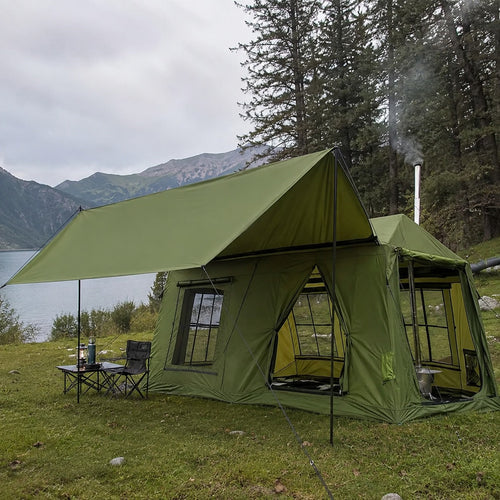
- Bring Your Own Shelter: If natural shade is scarce, pack a beach umbrella, a pop-up tent, or a large canopy. Set it up securely before you settle down.
- Stay Under Cover: Position your chair or towel directly in the shade, ensuring your entire body is protected. Remember that as the sun moves, the shade will shift, so adjust your position throughout the day.
2. Wear Protective Clothing
Your clothes can act as a physical barrier against UV rays. Not all fabrics are created equal, so choose wisely.
- Opt for Loose, Long Clothing: Choose long-sleeved shirts and long pants or skirts made from lightweight, breathable fabrics. This covers more skin without making you overheat.
- Look for UPF-Rated Apparel: Some clothing is specifically designed with Ultraviolet Protection Factor (UPF) ratings. A UPF of 30 or higher is recommended for effective sun blocking. Many brands offer swimwear, rash guards, and everyday apparel with this feature.
- Darker and Tightly Woven Fabrics: Generally, darker colors and tightly woven fabrics offer better protection than light colors and loose weaves, as they block more light.
3. Time Your Beach Visit Wisely
The sun’s intensity varies throughout the day. Planning your beach time can significantly reduce your risk of sunburn.
- Avoid Peak Sun Hours: The sun’s UV rays are strongest between 10 AM and 4 PM. Aim to visit the beach before 10 AM or after 4 PM.
- Enjoy Morning or Evening: These times often offer cooler temperatures and a gentler sun, perfect for swimming, walking, or just relaxing without high risk of burning.
- Take Midday Breaks: If you must be at the beach during peak hours, plan to spend that time indoors or under very substantial shade, like a restaurant or changing room, rather than directly on the sand.
4. Accessorize with a Wide-Brimmed Hat and UV-Blocking Sunglasses
Your head, face, ears, and eyes are particularly vulnerable to sun damage.
- Wear a Wide-Brimmed Hat: Choose a hat with a brim that goes all the way around, ideally 3 inches or wider. This protects your scalp, face, ears, and the back of your neck.
- Use UV-Blocking Sunglasses: Look for sunglasses that block 99-100% of both UVA and UVB rays. This protects your eyes from damage and reduces strain.
5. Stay Hydrated and Listen to Your Body
While not a direct sun protection method, staying hydrated and being aware of how you feel are crucial for overall health and preventing heat-related issues, which can compound sun exposure effects.
- Drink Plenty of Water: Sun exposure and activity at the beach can lead to dehydration. Keep a water bottle handy and sip regularly throughout the day.
- Recognize Warning Signs: If your skin starts to feel hot, tingly, or looks red, that’s your body telling you it’s had enough sun. Seek shade immediately.
- Cool Off Regularly: Take frequent dips in the water to cool your body temperature, but remember that water reflects UV rays, so you’re still exposed while swimming.
6. Be Mindful of Reflective Surfaces
The beach environment can intensify UV exposure due to reflection.
- Sand and Water Reflect UV: Sand, water, and even snow can reflect UV rays, increasing your exposure. This means you can get burned even under an umbrella if you’re near reflective surfaces.
- Position Yourself Carefully: When in the shade, try to position yourself away from highly reflective areas if possible, or ensure your protective clothing and hat are doing their job.
Tips & Common Mistakes to Avoid
Even with good intentions, some common errors can lead to unexpected sunburn.
Helpful Tips:
- Check the UV Index: Before heading out, check the local UV index. This will tell you how strong the sun’s rays will be and help you plan your protection strategy. A UV index of 3 or higher means you should take precautions.
- Use a Timer: If you plan to be active, set a timer to remind yourself to check your shade, re-cover exposed skin, or take a break from direct sun.
- Consider a Rash Guard: For swimming, a long-sleeved rash guard is an excellent way to protect your upper body without sunscreen.
Common Mistakes:
- Assuming Clouds Mean No Risk: Clouds filter some sunlight, but they do not block all UV rays. You can absolutely get sunburned on a cloudy day. Always take precautions.
- Forgetting About Hydration: Dehydration can make you feel unwell faster, reducing your awareness of sun exposure.
- Ignoring Your Skin’s Signals: If your skin starts to feel warm, tight, or tingly, it’s a clear sign you’re getting too much sun. Don’t wait until you see redness.
- Only Protecting Part of Your Body: Remember to cover all exposed skin, including tops of feet, ears, and neck, which are often overlooked.
Key Takeaways: How to Avoid Getting Sunburned at the Beach Without Sunscreen
- Prioritize shade, especially between 10 AM and 4 PM.
- Wear long, loose, and ideally UPF-rated clothing to create a physical barrier.
- Protect your head, face, and eyes with a wide-brimmed hat and UV-blocking sunglasses.
- Stay hydrated and listen to your body’s signals for overexposure.
- Be aware that reflective surfaces like sand and water increase UV exposure.
Frequently Asked Questions
What is the easiest way to avoid getting sunburned at the beach without sunscreen?
The easiest and most effective way to avoid getting sunburned at the beach without sunscreen is to consistently seek and stay in shade, especially during peak sun hours (10 AM to 4 PM). Using a large beach umbrella or a pop-up tent offers immediate and reliable protection.
How long can I stay in the sun without sunscreen before burning?
This varies greatly depending on your skin type, the time of day, the UV index, and your geographical location. There’s no fixed safe duration. Some people may burn in as little as 10-15 minutes of intense sun exposure, while others might take longer. The best approach is to minimize direct sun exposure, especially during peak hours, and rely on shade and protective clothing as your primary defense.
Can natural oils protect me from sunburn instead of sunscreen?
No, natural oils like coconut oil or olive oil do not provide adequate or reliable UV protection against sunburn. While some might offer a very minimal SPF (Sun Protection Factor) equivalent of around 2-8, this is insufficient for protecting your skin at the beach, where UV exposure is often high. For effective protection without traditional sunscreen, focus on physical barriers like shade and protective clothing instead.
Conclusion
Enjoying a beautiful day at the beach doesn’t have to come at the cost of a painful sunburn. By understanding and applying these simple, natural strategies, you can confidently navigate the sun’s rays without relying on sunscreen. Remember to prioritize shade, dress smart, time your visit, and listen to your body. Embrace these methods, and you’ll be well-equipped to avoid getting sunburned at the beach without sunscreen, allowing you to create lasting, happy memories safely.
Looking for more inspiration? Explore the full Mavigadget Gift Ideas Collection for creative solutions.
Filed under
Written by
Cloe
Outdoor & Travel, MaviGadget
Cloe writes for the MaviGadget Journal, testing the gadgets that promise to change your day and reporting honestly on the ones that actually do.