Master Offline City Navigation: Your Ultimate Guide to Exploring Without GPS or Internet
How to Navigate a City Without GPS or Internet: Your Ultimate Guide How to Navigate a City Without GPS or Internet: Your Ultimate Guide In our connected world, it’s easy to feel lost the moment our phone signal drops or the battery dies. But what if you could confidently explore any city, even without GPS […]

How to Navigate a City Without GPS or Internet: Your Ultimate Guide
In our connected world, it’s easy to feel lost the moment our phone signal drops or the battery dies. But what if you could confidently explore any city, even without GPS or internet? Imagine the freedom, the thrill of discovery, and the peace of mind knowing you can find your way using traditional methods. This guide will show you exactly how to navigate a city without GPS or internet, turning potential panic into an exciting adventure.
Learning these skills isn’t just for emergencies. It’s about enhancing your travel experience, encouraging you to observe your surroundings more closely, and even interacting with locals. You’ll gain a deeper understanding of a city’s layout and boost your self-reliance as a traveler.
Quick Summary: Your Path to Offline Navigation
Here’s a snapshot of what you’ll learn to confidently navigate a city without relying on digital tools:
- Prepare Thoroughly: Always start with a physical map and learn basic compass skills before you leave.
- Observe Your Surroundings: Pay close attention to street names, unique buildings, and natural landmarks.
- Engage with Locals: Don’t hesitate to ask for directions; people are often happy to help.
Step-by-Step Instructions: Mastering Offline City Navigation
Ready to unlock your inner explorer? Follow these practical steps to become a master of city navigation, no Wi-Fi required.
Step 1: Get to Know Your Physical Map Before You Go
Your physical map is your most powerful tool. Before you even set foot in the city, spend time studying it. This isn’t just about glancing; it’s about understanding its language.
How to do it:
- Obtain a Quality Map: Get a detailed street map of your destination city. Tourist information centers, bookstores, or online travel shops are good sources. Make sure it’s recent.
- Understand the Legend: Every map has a legend (or key) explaining symbols for roads, parks, landmarks, public transport lines, and points of interest. Learn what each symbol means.
- Grasp the Scale: The map’s scale tells you the ratio between a distance on the map and the actual distance on the ground (e.g., “1 inch = 1 mile”). This helps you estimate walking times and distances.
- Mark Key Destinations: Before you leave, circle or highlight your hotel, major attractions you plan to visit, and any important meeting points. This makes them easy to spot when you’re out and about.
Step 2: Master Basic Compass Use
A simple magnetic compass is incredibly helpful for orienting your map and understanding cardinal directions. You don’t need to be an expert cartographer to use one effectively.
How to do it:
- Hold Your Compass Flat: For an accurate reading, always hold your compass level and away from metal objects that could interfere with the magnetic needle.
- Find North: The magnetized needle inside the compass will always point to magnetic North. Follow the red or colored end of the needle.
- Orient Your Map: Place your compass on your physical map. Rotate the map until the “North” indicator on the map aligns with the North-pointing needle of your compass. Once aligned, your map accurately reflects the real-world directions around you.
Step 3: Understand Cardinal Directions with the Sun
Even without a compass, the sun can be a surprisingly reliable guide for determining general directions. This method is especially useful during the day.
How to do it:
- Sunrise and Sunset: In most parts of the world, the sun rises roughly in the East and sets roughly in the West.
- Midday Sun: Around noon (12 PM in your local time zone), the sun is generally at its highest point in the sky. In the Northern Hemisphere, it will be in the South; in the Southern Hemisphere, it will be in the North.
- Use Shadows: Point your right arm towards the rising sun (East) and your left arm towards the setting sun (West). Then, North will be directly in front of you (if you’re in the Northern Hemisphere) or behind you (if you’re in the Southern Hemisphere). At noon, your shadow will point roughly North (in the Northern Hemisphere) or South (in the Southern Hemisphere).
Step 4: Identify and Utilize Landmarks
Landmarks are your best friends in a new city. They provide easy-to-spot reference points that help you keep track of where you are and where you’re going.
How to do it:
- Spot Unique Structures: Look for tall buildings, prominent statues, unique bridges, large parks, or distinct architectural features. These are excellent landmarks.
- Use Them for Orientation: Once you identify a landmark, locate it on your map. This helps you orient yourself and understand your current position relative to your destination.
- Create a Mental Map: As you walk, try to connect landmarks in your mind. “First, I’ll pass the big church, then turn right at the fountain, and my destination is just past the old library.”
Step 5: Observe and Engage with Your Environment
Beyond landmarks, the details of your surroundings offer crucial clues for navigation. Engaging your senses helps you build a clearer picture of the city’s layout.
How to do it:
- Pay Attention to Street Names: Always look at street signs. They help you confirm your location on your map and understand the grid pattern of the city.
- Notice Unique Features: Small details like a specific shop sign, a colorful mural, or a distinct gate can serve as memorable markers for your route.
- Utilize Public Transport Maps: Even without internet, physical public transport maps (subway, bus routes) often found at stations or in tourist brochures are excellent for understanding how different parts of the city connect. They offer a larger overview than a street map for long distances.
Step 6: Don’t Be Afraid to Ask Locals
One of the most valuable resources in any city is its residents. Most people are friendly and happy to help a polite traveler.
How to do it:
- Choose Wisely: Approach people who seem approachable and not in a rush, like shopkeepers, people waiting at a bus stop, or families.
- Be Polite and Clear: Start with a friendly greeting, “Excuse me, could you please help me?” or “Pardon me, I’m a bit lost.”
- Ask Specific Questions: Instead of “How do I get there?” try “Could you point me towards the main square?” or “Is this the right way to the museum?” Use your map to show them your destination.
- Confirm Understanding: Repeat the directions back to them in your own words to ensure you’ve understood correctly. “So, I go straight, turn left at the big park, then it’s on my right?”
Step 7: Practice Backtracking and Reorientation
Even the best navigators get a little turned around sometimes. Knowing how to recover gracefully is key.
How to do it:
- Don’t Panic: The first rule of getting lost is to stay calm. Panic clouds judgment.
- Retrace Your Steps: If you realize you’re lost, try to walk back to the last place you recognized (a landmark, a specific intersection). This gives you a known point to start from again.
- Re-orient Your Map: Once at a known point, use your compass or visible landmarks to re-orient your physical map. Confirm your current position and then plan your next few steps.
- Find a Major Street or Public Transport: If completely disoriented, try to find a main street or a public transport station. These usually have signs, information boards, or staff who can help.
Tips & Common Mistakes for Successful Offline Navigation
Tips for Success:
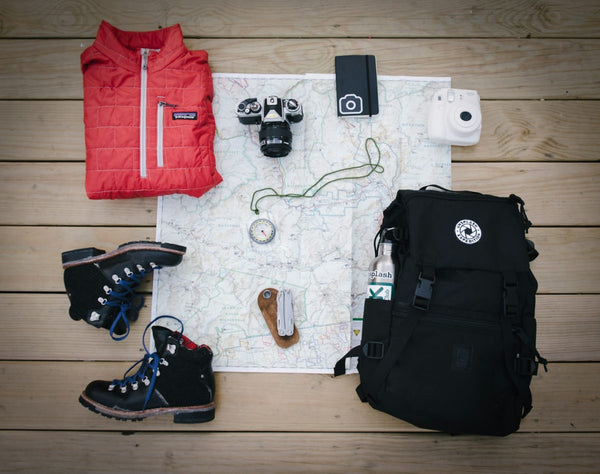
- Carry Essential Tools: Always have your physical map, a simple compass, a pen, and a small notebook (to jot down directions or observations).
- Learn Basic Phrases: Knowing a few local phrases like “Excuse me,” “Hello,” “Thank you,” “Where is…?” can make a huge difference when asking for help.
- Trust Your Gut: Your intuition can often be surprisingly accurate. If a path doesn’t feel right, double-check your map or ask for directions.
- Stay Aware of Your Surroundings: For safety and navigation, always be mindful of where you are and who is around you.
- Charge Your Phone (for emergencies): Even if you’re navigating offline, keep your phone charged. It’s a lifeline for true emergencies, even if not for navigation.
Common Mistakes to Avoid:
- Not Preparing in Advance: Simply grabbing a map at the last minute without studying it is a recipe for confusion.
- Relying Solely on Memory: Don’t assume you’ll remember every turn. Use your map, landmarks, and jotted notes.
- Being Shy to Ask for Help: Locals are often the best resource. Politeness goes a long way.
- Panicking When Lost: Losing your cool makes it harder to think clearly and use your navigation skills. Take a deep breath.
- Ignoring the Sun’s Position: The sun is a free, constant compass – use it!
Key Takeaways for Navigating Without GPS or Internet
Mastering how to navigate a city without GPS or internet comes down to a few core principles:
- Preparation is Key: Invest time in studying your physical map and understanding basic compass use before you even start exploring.
- Active Observation: Constantly look for street names, unique buildings, and distinct landmarks to orient yourself.
- Human Interaction: Don’t underestimate the power of asking locals for directions; they’re an invaluable source of information.
- Stay Calm: If you get lost, stay relaxed, backtrack to a known point, and re-orient yourself using your tools.
Frequently Asked Questions
What is the easiest way to navigate a city without GPS or internet?
The easiest way to navigate a city without GPS or internet is through thorough preparation. This involves obtaining a good physical map, understanding its legend and scale, and familiarizing yourself with major landmarks and your planned routes beforehand. Once you’re out, actively observe street signs and unique buildings, and don’t hesitate to ask locals for directions, using your map to show them where you’re trying to go.
How do I know which way is north without a compass?
You can determine north without a compass primarily by using the sun. In the Northern Hemisphere, the sun rises generally in the East, sets in the West, and is roughly in the South at midday. If you point your right arm towards the rising sun (East) and your left arm towards the setting sun (West), North will be in front of you. In the Southern Hemisphere, the midday sun will be in the North. Shadows can also provide clues: at midday, your shadow will generally point north in the Northern Hemisphere and south in the Southern Hemisphere.
Is it safe to navigate a foreign city without a phone?
Yes, it can be very safe to navigate a foreign city without relying on your phone, provided you are well-prepared and maintain situational awareness. Carrying a physical map, a compass, and having some local phrases can greatly enhance your safety and confidence. Always be aware of your surroundings, stick to well-lit and populated areas, and don’t draw unnecessary attention to yourself. In fact, navigating this way can lead to a richer, more engaging travel experience and deeper connection with your environment.
Conclusion: Embrace the Adventure
Learning how to navigate a city without GPS or internet isn’t just a useful skill; it’s an invitation to a different kind of adventure. It empowers you to explore with confidence, fosters a deeper connection with your surroundings, and prepares you for any situation. By embracing physical maps, observation, and local wisdom, you’ll discover a newfound freedom in your travels. So, grab a map, trust your instincts, and step out into the world – the city awaits your discovery!
Looking for more inspiration? Explore the full Mavigadget Gift Ideas Collection for creative solutions.
Filed under
Written by
Arthur
Outdoor & Travel, MaviGadget
Arthur writes for the MaviGadget Journal, testing the gadgets that promise to change your day and reporting honestly on the ones that actually do.