How to Plan a Spontaneous Road Trip with Friends
How to Plan a Spontaneous Road Trip with Friends How to Plan a Spontaneous Road Trip with Friends: Your Ultimate Guide The open road, good friends, and unforgettable memories—what could be better? A spontaneous road trip is an amazing way to break free from routine and explore new places. But where do you even begin? […]

How to Plan a Spontaneous Road Trip with Friends: Your Ultimate Guide
The open road, good friends, and unforgettable memories—what could be better? A spontaneous road trip is an amazing way to break free from routine and explore new places. But where do you even begin? Don’t worry; this guide will walk you through planning an epic, spur-of-the-moment adventure with your friends.
Why a Spontaneous Road Trip?
Life can get monotonous, and sometimes you just need a change of scenery. A spontaneous road trip offers a much-needed escape from the everyday grind. It’s a chance to reconnect with friends, discover hidden gems, and create stories you’ll be telling for years to come. Plus, the lack of meticulous planning adds an element of excitement and surprise!
Step 1: Assemble Your Road Trip Crew
The first step is gathering your travel buddies. Choose friends who are easygoing, adventurous, and share your taste for exploration. Consider factors like driving abilities (you’ll need multiple drivers!), budget compatibility, and general travel styles. A good road trip crew can make or break the experience.
Discuss Expectations and Preferences
Before hitting the road, have an open conversation about everyone’s expectations and preferences. What kind of activities are you interested in? Are you aiming for a relaxed pace or a jam-packed itinerary? What’s everyone’s budget? Addressing these questions upfront will minimize potential conflicts and ensure everyone is on the same page.
Step 2: Brainstorm Destination Ideas
Now for the fun part: deciding where to go! Since you’re aiming for spontaneity, don’t feel pressured to choose a far-flung destination. Focus on places that are within a reasonable driving distance and offer something for everyone in your group. Consider:
- National Parks: Immerse yourselves in nature with stunning landscapes and outdoor activities.
- Coastal Towns: Enjoy beaches, seafood, and charming local vibes.
- Scenic Byways: Discover hidden gems and breathtaking views along designated routes.
- Historical Sites: Explore fascinating landmarks and learn about the past.
- Nearby Cities: Experience different cultures, cuisines, and entertainment options.
Keep It Flexible
Remember, spontaneity is the name of the game. Don’t over-plan your route or itinerary. Leave room for detours, unexpected discoveries, and spontaneous decisions along the way. A general direction is good, but rigid schedules can stifle the adventure.
Step 3: Set a Budget
Road trips can be surprisingly affordable, but it’s important to establish a budget to avoid financial surprises. Consider the following expenses:
- Gas: This will likely be your biggest expense. Use online tools to estimate fuel costs based on your route and vehicle’s fuel efficiency.
- Accommodation: Decide if you’ll be camping, staying in budget-friendly hotels, or splurging on unique accommodations.
- Food: Plan for a mix of restaurant meals and DIY snacks to save money.
- Activities: Factor in the cost of entrance fees, tours, and other activities.
- Miscellaneous: Set aside a small amount for unexpected expenses, like tolls or souvenirs.
Share the Costs
To simplify things, consider pooling your money and splitting the costs evenly. Apps like Splitwise can help you track expenses and settle up at the end of the trip.
Step 4: Pack Smart and Light
Packing for a road trip requires a balance between being prepared and avoiding overpacking. Here’s a checklist to get you started:
- Clothing: Pack versatile clothing items that can be layered. Consider the weather conditions at your destination.
- Toiletries: Don’t forget essentials like sunscreen, insect repellent, and any necessary medications.
- First-Aid Kit: A well-stocked first-aid kit is crucial for handling minor injuries.
- Navigation Tools: Bring a GPS device or smartphone with navigation apps, as well as a physical map as a backup.
- Entertainment: Download music, podcasts, or audiobooks to keep yourselves entertained during long drives.
- Snacks and Drinks: Pack plenty of non-perishable snacks and water to avoid costly convenience store stops.
- Car Essentials: Jumper cables, a spare tire, and basic tools can come in handy in case of car trouble.
Comfort is Key
Since you’ll be spending a lot of time in the car, prioritize comfort. Bring pillows, blankets, and comfortable shoes. Don’t forget chargers for your electronic devices!
Step 5: Plan Your Route and Make Necessary Reservations
While spontaneity is encouraged, it’s still wise to have a general idea of your route and make reservations for accommodation, especially during peak season. Use online mapping tools to plan your route, but be open to detours and changes along the way.
Accommodation Considerations
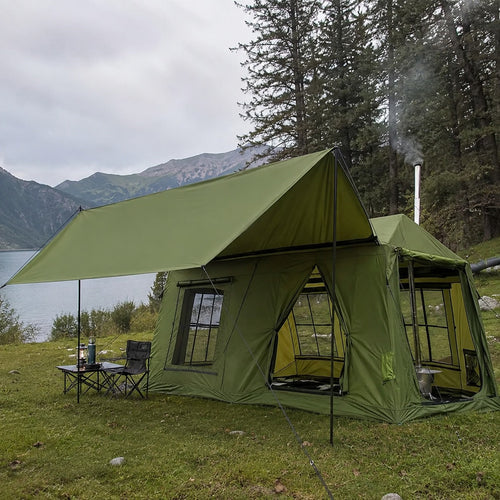
Consider booking accommodation a day or two in advance, especially if you are traveling to popular tourist destinations. This will give you flexibility, but still ensure that you have somewhere to sleep. Camping can also be a great option and offers a fantastic way to connect with nature.
Step 6: Stay Safe on the Road
Safety should always be a top priority on a road trip. Here are some essential tips:
- Share the Driving: Take turns driving to avoid fatigue.
- Take Regular Breaks: Stop every few hours to stretch your legs and rest.
- Stay Alert: Avoid distractions while driving, such as texting or using your phone.
- Be Aware of Your Surroundings: Pay attention to traffic conditions and potential hazards.
- Let Someone Know Your Plans: Inform a friend or family member of your route and expected arrival time.
- Check Your Vehicle: Ensure your car is in good working condition before embarking on the trip. Check the tires, fluids, and brakes.
Emergency Preparedness
In case of emergencies, keep a copy of important documents, such as driver’s licenses and insurance information, in a safe and accessible place. Also, familiarize yourself with local emergency numbers.
Step 7: Embrace the Unexpected
The beauty of a spontaneous road trip lies in the unexpected moments and discoveries. Be open to detours, unplanned stops, and new experiences. Embrace the challenges and celebrate the triumphs along the way.
Document Your Adventure
Capture your memories by taking photos and videos. Create a shared online album where everyone can contribute. These memories will be treasured for years to come!
Step 8: Leave No Trace
Respect the environment and leave every place you visit as you found it. Dispose of trash properly, avoid disturbing wildlife, and stay on designated trails. Let’s keep our planet beautiful for future generations.
Step 9: Enjoy the Ride!
Most importantly, relax and enjoy the journey! A spontaneous road trip is a chance to escape the ordinary, bond with friends, and create unforgettable memories. Let go of expectations, embrace the unknown, and savor every moment.
So, gather your friends, pack your bags, and hit the open road! Adventure awaits.
Planning a spontaneous road trip with friends might seem daunting, but with a little preparation and a sense of adventure, you can create an experience that will last a lifetime. Remember to stay flexible, prioritize safety, and most importantly, have fun! The world is waiting to be explored – what are you waiting for?
“`
Filed under
Written by
Arthur
Outdoor & Travel, MaviGadget
Arthur writes for the MaviGadget Journal, testing the gadgets that promise to change your day and reporting honestly on the ones that actually do.