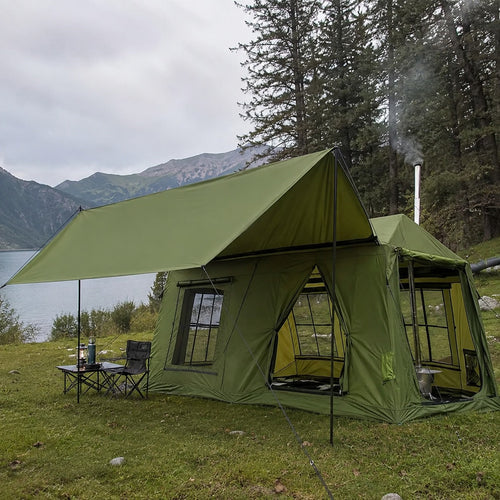
How to Make Group Trips Work Without Drama: Your Ultimate Guide
How to Make Group Trips Work Without Drama: Your Ultimate Guide How to Make Group Trips Work Without Drama: Your Ultimate Guide Group trips can be some of the most memorable experiences, filled with laughter, shared adventures, and inside jokes that last a lifetime. But let’s be honest: they can also be a recipe for […]

How to Make Group Trips Work Without Drama: Your Ultimate Guide
Group trips can be some of the most memorable experiences, filled with laughter, shared adventures, and inside jokes that last a lifetime. But let’s be honest: they can also be a recipe for stress and conflict if not handled right. Ever returned from a trip feeling more exhausted than relaxed? Or perhaps a friendship felt a little strained afterward? You’re not alone.
This guide will show you exactly how to make group trips work without drama, turning potential headaches into effortless fun. We’ll walk through practical steps, from initial planning to managing expectations, ensuring everyone has a fantastic time.
Quick Summary: Your Drama-Free Group Trip Checklist
- Communicate Clearly: Talk about expectations, budgets, and activities early and often.
- Plan Together: Involve everyone in key decisions to foster a sense of ownership.
- Embrace Flexibility: Realize not everything will go to plan and be ready to adapt.
Step-by-Step Guide to Drama-Free Group Travel
Follow these clear steps to help you and your fellow travelers enjoy a smooth, fun, and memorable group trip.
Step 1: Choose Your Crew Wisely
The foundation of any successful group trip starts with the people you invite. Think about personalities, travel styles, and shared interests. Are they generally easygoing? Do they have similar expectations for a vacation (e.g., adventure vs. relaxation)?
Action:
- Assess compatibility: Consider who genuinely enjoys spending extended time together and has similar travel priorities.
- Keep it manageable: Smaller groups (4-6 people) are often easier to coordinate than very large ones.
Step 2: Establish Expectations Early
One of the biggest sources of drama comes from unspoken expectations. Before you even think about booking, talk openly about what everyone hopes to get out of the trip.
Action:
- Hold an initial discussion: Use a video call or group chat to discuss trip goals. Does someone want to relax by the pool while another wants to hike mountains?
- Define trip style: Agree on the overall vibe – adventurous, relaxing, cultural, party-focused, etc.
- Discuss personal time: Make it clear that individual free time is okay and even encouraged. No one needs to do everything together.
Step 3: Set a Realistic Budget
Money matters are often the trickiest. Being upfront and clear about finances from the start can prevent misunderstandings and resentment later on. Consider everyone’s financial comfort level.
Action:
- Discuss total costs: Estimate everything: flights, accommodation, food, activities, transportation, and a buffer for incidentals.
- Agree on spending levels: Are you looking for budget-friendly options, mid-range comfort, or luxury?
- Choose payment methods: Decide how shared costs will be handled (e.g., one person pays and others Venmo, or use a splitting app like Splitwise).
- Be transparent: Keep a running tab of shared expenses and share it regularly.
Step 4: Delegate Roles and Responsibilities
Trying to manage everything yourself is a fast track to burnout. Spreading the planning and in-trip tasks ensures everyone feels involved and reduces the burden on one person.
Action:
- Assign a “lead planner” (or two): This person can oversee the main bookings (flights, hotels).
-
Divide sub-tasks:
- Someone handles activity research and bookings.
- Someone manages food/restaurant reservations.
- Someone looks into local transportation.
- Someone creates a shared itinerary document.
- Regular check-ins: Have brief meetings to update everyone on progress.
Step 5: Prioritize Open Communication
Clear, consistent communication is the backbone of any drama-free group trip. This means not just talking, but also actively listening to concerns and ideas.
Action:
- Create a dedicated group chat: Use WhatsApp, Messenger, or similar for quick updates and decisions.
- Encourage honest feedback: Make it safe for people to voice preferences, concerns, or even discomfort.
- Address issues promptly: If a problem arises, talk about it calmly and respectfully rather than letting it fester.
Step 6: Plan Activities (and Downtime)
A good itinerary balances structured activities with plenty of free time. Over-scheduling can lead to exhaustion and tension, while too little planning can leave people feeling bored or directionless.
Action:
- Brainstorm together: Have everyone suggest activities they’d like to do.
- Create a flexible itinerary: Don’t lock yourselves into every minute. Aim for 1-2 main activities per day, with options for others.
- Schedule breaks: Build in time for relaxation, independent exploration, or just unwinding.
- Offer choices: If there are conflicting interests, suggest splitting up for an afternoon. “Team A wants to hike, Team B wants to shop – let’s meet for dinner!”
Step 7: Embrace Flexibility and Compromise
Things will inevitably go wrong, or plans will change. The ability to roll with the punches is crucial for keeping the peace and having fun. Not everyone will get their way all the time, and that’s okay.
Action:
- Adopt a “go with the flow” mindset: Understand that unexpected delays or changes are part of travel.
- Practice active listening and negotiation: When a disagreement arises, listen to everyone’s perspective and find a middle ground.
- Prioritize the group’s happiness: Sometimes, putting the group’s overall enjoyment ahead of a personal preference is the best path to a smooth trip.
Step 8: Create a “Drama Protocol” (Optional but Recommended)
It sounds formal, but having a lighthearted agreement on how to handle minor issues can be a lifesaver. This isn’t about setting strict rules, but rather about agreeing on a respectful way to resolve disagreements.
Action:
- Agree on a “cooling off” period: If tensions rise, suggest taking a short break before discussing an issue.
- Designate a neutral mediator: For bigger groups, one person might volunteer to help facilitate discussions if needed.
- Remember the goal: Remind everyone that you’re together to have fun and create positive memories.
Tips for Smooth Group Trips
Before You Go
- Create a shared document: A Google Doc or spreadsheet for itinerary, bookings, and contact info.
- Pack light: Reduces stress with luggage and allows for more spontaneous movement.
- Consider travel insurance: A good backup plan for unexpected issues.
During the Trip
- Have a “group fund”: For shared expenses like groceries, taxis, or tips. One person manages it, everyone contributes.
- Respect individual space: Even best friends need alone time.
- Be punctual (or communicate delays): Respect everyone’s time.
- Keep a positive attitude: Your energy can influence the whole group.
Common Mistakes to Avoid
- Not discussing money: This is the number one cause of conflict. Be open and honest about budgets.
- Over-scheduling: Trying to cram too much into each day leads to exhaustion and grumpiness.
- Assuming everyone wants the same thing: People have different travel styles and preferences.
- Avoiding conflict: Letting small irritations build up often leads to a bigger blow-up later. Address issues kindly and directly.
- One person doing all the planning: This creates resentment and an imbalance of responsibility.
Key Takeaways for Drama-Free Group Travel
Mastering how to make group trips work without drama boils down to a few core principles:
- Start with strong communication: Discuss expectations, budgets, and desires openly from the very beginning.
- Share the load: Delegate planning and in-trip tasks so no one feels overwhelmed.
- Build in flexibility: Be prepared for changes and understand that compromise is essential.
- Prioritize positive interactions: Address issues calmly and remember the shared goal of having a great time.
Frequently Asked Questions
What is the easiest way to How to Make Group Trips Work Without Drama?
The easiest way to ensure drama-free group travel is through proactive and open communication about expectations, budgets, and desired activities. Setting clear boundaries and roles early on prevents misunderstandings and allows everyone to enjoy the trip.
How long does it take to plan for How to Make Group Trips Work Without Drama?
The planning time depends on the trip’s complexity and length. For a smooth, drama-free trip, begin initial discussions (about who, where, and budget) at least 3-6 months in advance. Major bookings like flights and accommodation should be finalized 2-3 months before, with detailed itinerary planning done in the weeks leading up to departure.
What are common causes of drama on group trips?
Common causes of drama include uncommunicated budget differences, conflicting expectations for activities (e.g., some want to party, others want to relax), one person dominating decisions, lack of personal space, and poor communication when issues arise. Not setting clear roles and responsibilities can also lead to friction.
Conclusion
Making group trips work without drama isn’t about avoiding all disagreements, but about building a framework that encourages open communication, shared responsibility, and mutual respect. By following these steps, you’re not just planning a trip; you’re setting the stage for unforgettable memories with the people you care about. So gather your favorite people, apply these tips, and get ready for an amazing adventure!
Looking for more inspiration? Explore the full Mavigadget Gift Ideas Collection for creative solutions.
Filed under
Written by
Cloe
Outdoor & Travel, MaviGadget
Cloe writes for the MaviGadget Journal, testing the gadgets that promise to change your day and reporting honestly on the ones that actually do.