Don’t Panic When You’re Lost: Your Step-by-Step Guide to Getting Found
How to Stay Calm When You’re Lost in an Unknown Area: Your Essential Guide How to Stay Calm When You’re Lost in an Unknown Area: Your Essential Guide It’s a situation no one wants to face: you’re exploring a new place, take a wrong turn, and suddenly, nothing looks familiar. The initial wave of panic […]

How to Stay Calm When You’re Lost in an Unknown Area: Your Essential Guide
It’s a situation no one wants to face: you’re exploring a new place, take a wrong turn, and suddenly, nothing looks familiar. The initial wave of panic can be overwhelming, making it hard to think clearly. But mastering how to stay calm when you’re lost in an unknown area is the first and most crucial step to finding your way back safely.
This guide will walk you through actionable steps to manage stress, assess your situation, and make smart decisions when you find yourself disoriented. You’ll learn simple techniques to regain control and turn a frightening moment into a solvable challenge.
Quick Summary: Your Path to Calmness When Lost
- **Stop and Breathe:** Your immediate priority is to control panic and clear your mind.
- **Assess Your Surroundings:** Think about what you know, your last known location, and available resources.
- **Stay Put and Conserve:** Avoid aimless wandering; preserve energy and signal for help if needed.
- **Look for Clues:** Utilize natural and man-made landmarks to reorient yourself.
Step-by-Step Guide: How to Stay Calm When You’re Lost in an Unknown Area
When you realize you’re lost, follow these steps to manage the situation effectively:
-
Stop, Breathe, and Assess Your Emotions
The very first thing to do is halt. Continuing to move will only worsen your confusion and increase panic. Take a few slow, deep breaths. Inhale through your nose, hold for a few seconds, and exhale slowly through your mouth. This simple act helps lower your heart rate and allows your brain to shift from a “fight or flight” response to a more rational state. Acknowledge your fear, but don’t let it take over. Remind yourself that you can handle this.
-
Check Your Immediate Surroundings and Resources
Once you’re calmer, look around. What do you see? Are there any distinguishing features – a unique tree, a specific building, a street sign, or a bend in a path? Think back to your last known confident location. What time is it? How much daylight do you have left?
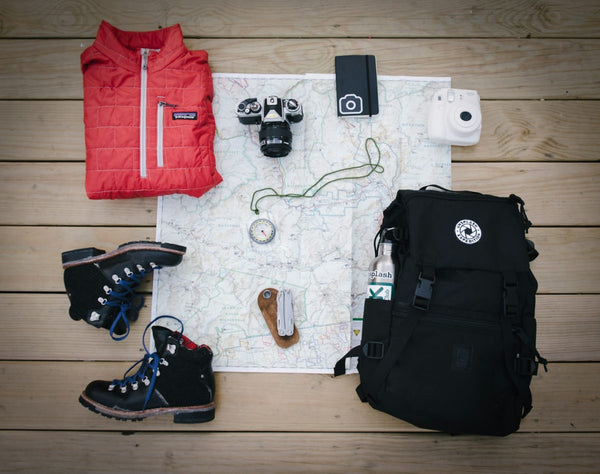
Next, check your pockets and bag. Do you have your phone? Is it charged? Do you have a map, compass, water, snacks, or any other useful items? Knowing what you have (and what you don’t) helps you plan your next move. If you have a phone, check for GPS or map apps, even if you don’t have service, as some maps can still show your location.
-
Stay Put and Conserve Energy (If You Can)
Unless you’re in immediate danger (like a busy road or a precarious cliff edge), staying put is often the safest choice. Wandering aimlessly can lead you further astray, exhaust you, and make it harder for others to find you. If you need to move to a safer spot nearby, do so slowly and deliberately. If you have to wait, find a comfortable, visible place to rest and preserve your energy.
-
Signal for Help
If you have a cell phone, try calling for help. Dial emergency services (like 911 or your local equivalent) even if you only have one bar of signal – emergency calls can sometimes go through when regular calls cannot. If you can’t get through, send a text message with your approximate location to a trusted contact. Even if you don’t have service, your phone’s GPS might still work, allowing you to pinpoint your coordinates.
Other ways to signal include:
- **Sound:** Yell for help at regular intervals, or use a whistle (three short blasts is a common distress signal).
- **Light:** If it’s dark, use a flashlight or your phone’s light to signal. Flash it in sequences of three.
- **Visibility:** Wear bright clothing if you have it. If possible, make an “X” on the ground with sticks or rocks in an open area to signal for aerial search.
-
Look for Obvious Clues and Landmarks
Sometimes, the solution is right in front of you. Look for larger, more obvious features that might lead you to a main path or civilization. These could include:
- **Roads or Trails:** Even faint ones can lead somewhere.
- **Rivers or Streams:** These often lead downstream to larger bodies of water, towns, or roads.
- **Power Lines or Fences:** Man-made structures usually connect to populated areas.
- **Sounds:** Listen for traffic, trains, barking dogs, or distant voices.
Try to move in a straight line if you decide to follow a landmark, using a compass or by lining up two trees to guide you.
-
Consider Retracing Your Steps (Cautiously)
If you’ve only just realized you’re lost and you have a clear memory of your immediate path, retracing your steps might be an option. Look for footprints, broken twigs, or other small signs you might have left. Only attempt this if you’re confident you can remember the way back to a familiar point and it’s not too far or risky. If in doubt, don’t retrace; stay put and signal.
-
Prepare for the Night (If Applicable)
If daylight is fading and you haven’t found your way, prioritize preparing for the night. Find or create a simple shelter from the elements – under a thick tree, a rock overhang, or using a tarp if you have one. Gather firewood if you’re in a safe area for a small signal fire (be extremely careful with fire). Staying warm is crucial to prevent hypothermia and maintain a clear mind. Conserve any remaining food and water.
-
Maintain a Positive Mindset
This can be the hardest step, but a positive attitude is a powerful tool. Panicking drains energy and impairs judgment. Focus on the next small, actionable step. Remind yourself that many people get lost and are found safely. Believing you can overcome the challenge helps keep you proactive and resourceful.
Tips & Common Mistakes When Lost
Helpful Tips:
- **Tell Someone Your Plans:** Always inform someone where you’re going and when you expect to return, especially in unfamiliar or remote areas.
- **Carry Essentials:** A basic “go bag” with water, snacks, a fully charged power bank, a small first-aid kit, and a whistle can make a huge difference.
- **Download Offline Maps:** Before you leave home, download offline maps of your destination on your phone. They work even without cell service.
- **Learn Basic Navigation:** Knowing how to read a physical map and use a compass is invaluable, even in the age of GPS.
Common Mistakes to Avoid:
- **Panicking and Rushing:** This leads to poor decisions and wasted energy. Always stop and calm down first.
- **Wandering Aimlessly:** This makes you harder to find and further disorients you.
- **Ignoring Your Gut Feeling:** If something feels wrong, trust that intuition and reassess your direction before going further.
- **Not Conserving Phone Battery:** Use your phone sparingly for essential calls, texts, or GPS checks. Turn off unnecessary apps.
- **Underestimating the Situation:** Don’t assume you’ll “just figure it out.” Take the situation seriously.
Key Takeaways for Staying Calm When Lost
Learning how to stay calm when you’re lost in an unknown area boils down to a few core principles:
- **Prioritize Calmness:** Your mind is your best tool; protect it from panic.
- **Act Methodically:** Follow a structured approach: stop, assess, plan, act.
- **Use Your Resources:** Leverage your phone, gear, and surroundings wisely.
- **Prepare in Advance:** Good preparation greatly reduces the chances of getting lost and improves your chances of a quick recovery.
Frequently Asked Questions
What is the easiest way to How to Stay Calm When You’re Lost in an Unknown Area?
The easiest and most effective way to stay calm is to immediately stop moving, take several slow, deep breaths, and consciously tell yourself to relax. This simple act interrupts the panic response and allows your brain to start thinking rationally again. Focus on controlling your breathing before anything else.
How long does it take to find your way when lost?
The time it takes to find your way when lost varies greatly depending on the location, available resources, and the complexity of the situation. It could be minutes if you quickly spot a familiar landmark, or hours to days in more remote or challenging environments. The key is to remain calm, conserve energy, and systematically follow the steps for finding your way or signaling for help.
What should I do if my phone has no signal when I’m lost?
If your phone has no signal, you can still use it for several vital functions: check for offline maps or downloaded GPS data (which doesn’t require signal), use its flashlight, or conserve battery in case a signal appears later. If you have any emergency contact numbers memorized, you can also use your phone to try dialing emergency services, as these calls sometimes connect even with very low signal. Beyond your phone, focus on alternative signaling methods like shouting, whistling, or making yourself visible.
Conclusion
Being lost can be a terrifying experience, but it doesn’t have to be a disaster. By understanding how to stay calm when you’re lost in an unknown area and by following these practical, step-by-step instructions, you equip yourself with the mental and physical tools to navigate the situation effectively. Remember, preparation is your best defense, and a calm mind is your greatest asset. Stay safe and explore with confidence!
Looking for more inspiration? Explore the full Mavigadget Gift Ideas Collection for creative solutions.
Filed under
Written by
Cloe
Outdoor & Travel, MaviGadget
Cloe writes for the MaviGadget Journal, testing the gadgets that promise to change your day and reporting honestly on the ones that actually do.