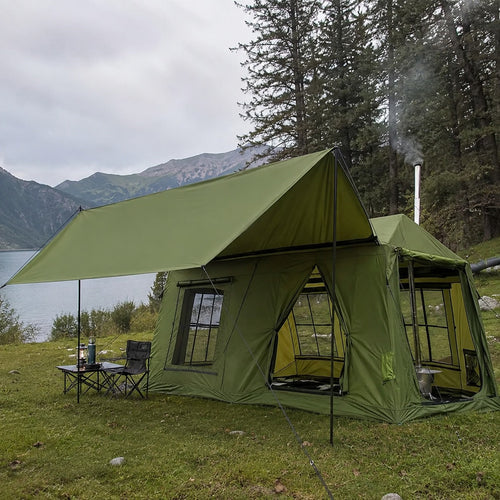
Craft Your Perfect Getaway: A Simple Guide to Travel Budgeting
Plan Your Dream Trip: A Simple Guide to Creating a Travel Budget That Works Planning Your Adventure: Crafting a Travel Budget That Won’t Break the Bank So, you’re itching to travel? That feeling of wanderlust is exciting! But before you pack your bags, there’s one essential step to ensure your trip is a success: creating […]

Planning Your Adventure: Crafting a Travel Budget That Won’t Break the Bank
So, you’re itching to travel? That feeling of wanderlust is exciting! But before you pack your bags, there’s one essential step to ensure your trip is a success: creating a solid travel budget. It’s not the most glamorous part of planning, but trust me, it’s vital. A well-thought-out budget is your financial roadmap. It helps you figure out how much you can realistically spend, prevents unexpected financial surprises, and lets you enjoy your trip without worrying about money.
Why a Travel Budget Matters
Think of your travel budget as your financial safety net. Without one, it’s easy to overspend and come home to a mountain of debt. Here’s why a travel budget is absolutely crucial:
- Sticking to Your Goals: It helps you save the right amount of money, enabling you to actually take the trip you want.
- Avoiding Debt: You won’t have to rely on credit cards and potentially rack up interest.
- Making Informed Decisions: Knowing your budget helps you choose destinations, activities, and accommodations that fit your financial plan.
- Reducing Stress: Travel should be fun! A budget eliminates the stress of constantly wondering if you can afford something.
- Maximizing Your Experience: With your finances in order, you can focus on enjoying your time and creating lasting memories.
Step 1: Setting Your Travel Goals and Timeline
Before you start crunching numbers, let’s clarify your travel dreams. Where do you want to go? What do you want to do? The answers to these questions are the foundation of your budget.
- Destination, Destination, Destination: Where are you headed? (And when?) This heavily influences your expenses. A trip to Southeast Asia will likely cost less than a trip to Europe. Research prices for flights, accommodation, and activities for your chosen destination(s).
- Travel Style: How do you like to travel? Are you a budget backpacker, a luxury traveler, or somewhere in between? Your travel style dictates your spending habits.
- Duration: How long will your trip be? The longer you travel, the more money you’ll need.
- Travel Dates: Consider the time of year. Prices fluctuate wildly depending on the season. Traveling during the off-season can significantly reduce costs.
Pro Tip: Create a “wish list” of activities, attractions, and dining experiences. This helps you prioritize what’s most important and allocate funds accordingly.
Step 2: Estimating Your Travel Expenses – The Big Picture
Now comes the part where we break down the costs. Don’t be intimidated; this step is all about gathering information and making reasonable estimates. Start by creating a spreadsheet (Google Sheets or Excel are great options) or using a budgeting app designed for travel.
Here’s a breakdown of common travel expenses to consider:
- Flights: This is often a significant expense. Use flight comparison websites like Google Flights, Skyscanner, or Kayak to get an idea of prices. Be flexible with your dates to find the best deals. Consider flying into a different airport or connecting flights to save money.
- Accommodation: Research hotels, hostels, guesthouses, and vacation rentals. Prices vary significantly based on location, type, and season. Factor in the number of nights you’ll be staying. Use websites like Booking.com, Airbnb, or Hostelworld.
- Transportation: How will you get around? Consider local transportation options (buses, trains, subways), taxis, rental cars, and internal flights. Factor in the cost of transportation from the airport to your accommodation.
- Food and Drink: Estimate your daily food costs. Consider a mix of eating at restaurants, cooking your own meals (if you have access to a kitchen), and grabbing quick, affordable snacks. Don’t forget the cost of drinks!
- Activities and Entertainment: Research entry fees for museums, historical sites, and other attractions. Factor in the cost of tours, excursions, and entertainment.
- Travel Insurance: Don’t skip this! Travel insurance protects you against unexpected events like illness, injury, lost luggage, or trip cancellations. Compare plans from different providers to find the best coverage for your needs.
- Visas and Vaccinations: Check if you need a visa for your destination. Factor in the associated costs and any necessary vaccinations.
- Souvenirs and Shopping: Allocate a reasonable amount for souvenirs and any other shopping you might want to do.
- Miscellaneous Expenses: Include a buffer for unexpected costs, like laundry, tips, phone calls, or medication. It’s always wise to have a cushion!
Pro Tip: Be realistic with your estimates! Overestimate slightly to avoid unpleasant surprises. Research average prices for your destination using websites, travel blogs, and guidebooks.
Step 3: Saving Strategies for Your Dream Trip
Once you have an idea of your total travel costs, it’s time to start saving! Here are some effective strategies to help you reach your savings goals:
- Create a Dedicated Savings Account: Open a separate savings account specifically for your trip. This helps you track your progress and stay motivated.
- Set a Realistic Savings Goal: Break down your total trip cost into smaller, manageable monthly or weekly savings targets.
- Automate Your Savings: Set up automatic transfers from your checking account to your travel savings account. This makes saving effortless.
- Cut Unnecessary Expenses: Identify areas where you can reduce spending, such as eating out less often, canceling unused subscriptions, or brewing your coffee at home.
- Find Extra Income Streams: Consider taking on a side hustle, selling unwanted items, or working overtime to boost your income.
- Take Advantage of Free Activities: Research free activities and attractions in your destination, such as parks, museums (on free days), and walking tours.
- Look for Deals and Discounts: Keep an eye out for flight and accommodation sales, discount codes, and travel packages.
- Cook More Meals at Home: Eating out can quickly drain your budget. Preparing your own meals is a much more affordable option.
- Travel During the Off-Season: Consider traveling during the shoulder season (the months just before or after peak season) to benefit from lower prices and fewer crowds.
- Consider Budget Airlines: Budget airlines can offer significantly lower flight prices. However, be mindful of extra fees for baggage and other services.
Pro Tip: Use a budgeting app to track your spending and monitor your progress. This helps you stay on track and make adjustments as needed. Some apps allow you to monitor your income, spending, and savings.
Step 4: Adjusting Your Budget and Staying on Track
Your budget isn’t set in stone! Life happens, and things change. It’s crucial to monitor your spending and make adjustments along the way.
Here’s how to stay on track:
- Track Your Spending: Keep track of every expense, no matter how small. Use a budgeting app, spreadsheet, or a notebook.
- Compare Actual vs. Planned Expenses: Regularly compare your actual spending to your planned budget. Identify any areas where you’re overspending.
- Make Adjustments as Needed: If you’re overspending in one area, look for ways to cut back in another. Be flexible and willing to adjust your plans.
- Re-evaluate Your Budget Regularly: Review your budget periodically (monthly or quarterly) to ensure it still aligns with your goals.
- Don’t Be Afraid to Modify Your Trip: If you’re consistently overspending, consider adjusting your travel plans. This could mean choosing a less expensive destination, reducing the length of your trip, or opting for more budget-friendly activities.
- Keep Receipts: Save all receipts to help you track your spending and reconcile your budget.
- Set Spending Limits: Assign daily or weekly spending limits to keep you on track.
Pro Tip: Build a buffer into your budget for unexpected costs. A 10-15% contingency fund can provide peace of mind and help you handle unforeseen expenses without derailing your plans.
Step 5: Staying Safe and Managing Finances While Traveling
Once you’re on your trip, it’s essential to manage your finances responsibly and stay safe. Here are some tips:
- Notify Your Bank and Credit Card Companies: Inform your bank and credit card companies about your travel dates and destinations to avoid any issues with your cards being blocked.
- Use ATMs Wisely: ATMs are a convenient way to access cash, but be aware of ATM fees. Try to withdraw larger sums of money to reduce fees. Use ATMs affiliated with your bank if possible.
- Be Wary of Currency Exchange: Avoid exchanging currency at the airport, as exchange rates are usually unfavorable. Research reputable currency exchange services in advance.
- Keep Your Money Safe: Carry a small amount of cash and keep the rest in a secure location, such as a hotel safe or a money belt.
- Use Credit Cards Strategically: Use credit cards for larger purchases and to earn rewards points. Be mindful of interest rates and foreign transaction fees.
- Monitor Your Accounts: Regularly check your bank and credit card statements for any unauthorized charges. Report any suspicious activity immediately.
- Have Backup Funds: Keep a backup credit card and some emergency cash in a separate location in case your primary card or money is lost or stolen.
- Make Copies of Important Documents: Make copies of your passport, visa, credit cards, and other important documents. Keep a digital copy in a secure location, such as your email or cloud storage.
Pro Tip: Download useful travel apps on your phone. Currency converters, map apps, and language translator apps can all be incredibly helpful while you’re traveling.
Conclusion: Your Dream Trip Awaits!
Creating a travel budget might seem like a daunting task, but with a little planning and organization, it’s entirely achievable. By following these steps—from setting clear goals to tracking your spending and making adjustments along the way—you’ll be well on your way to enjoying a stress-free and unforgettable travel experience. Remember, a well-crafted budget empowers you to make informed decisions, avoid financial pitfalls, and savor every moment of your adventure. So, start planning, start saving, and get ready to explore the world! Bon voyage!
“`
Filed under
Written by
Kevin
Outdoor & Travel, MaviGadget
Kevin writes for the MaviGadget Journal, testing the gadgets that promise to change your day and reporting honestly on the ones that actually do.