Civil Unrest & Your Safety: A Step-by-Step Guide to Preparedness
How to Stay Safe During Large-Scale Civil Disruptions: Your Essential Guide How to Stay Safe During Large-Scale Civil Disruptions: Your Essential Guide Unexpected large-scale civil disruptions can be unsettling, creating uncertainty and potential challenges for everyday life. Whether caused by protests, natural disasters, or other community-wide events, knowing how to react and prepare can make […]

How to Stay Safe During Large-Scale Civil Disruptions: Your Essential Guide
Unexpected large-scale civil disruptions can be unsettling, creating uncertainty and potential challenges for everyday life. Whether caused by protests, natural disasters, or other community-wide events, knowing how to react and prepare can make a significant difference in your safety and well-being. This guide will walk you through practical, easy-to-follow steps to ensure you and your loved ones are ready and protected.
You’ll learn how to plan ahead, what supplies to gather, how to stay informed, and what actions to take before, during, and after such events. Our goal is to empower you with clear, actionable advice so you can feel more secure and confident when faced with unforeseen disruptions.
Quick Summary: Your Path to Safety
- **Prepare Ahead:** Create a family emergency plan, secure your home, and assemble an emergency kit with essentials.
- **Stay Informed:** Know how to get reliable updates from official sources.
- **Act Smart:** Prioritize your safety, avoid risks, and communicate effectively with your family.
Step-by-Step Instructions: How to Stay Safe During Large-Scale Civil Disruptions
Preparing for and navigating large-scale civil disruptions involves a mix of planning, awareness, and smart actions. Follow these steps to significantly improve your ability to stay safe.
1. Prepare Your Home and Family Plan
The foundation of safety is a solid plan. Think about what your family would do if communication lines were down or if you had to leave your home quickly.
- **Create a Family Emergency Plan:** Discuss potential scenarios with everyone in your household. Assign roles if possible (e.g., who grabs the go-bag, who gets pets).
- **Establish Meeting Points:** Designate an easily accessible meeting point just outside your home (for immediate hazards like a fire) and a secondary meeting point further away (e.g., a friend’s house or a community center) if you can’t return home.
- **Choose an Out-of-State Contact:** Select a relative or friend who lives far away. In a widespread disruption, local phone lines might be jammed, but long-distance calls might still work. Everyone in your family should know this contact’s number.
- **Secure Your Home:** Reinforce doors and windows if you anticipate needing to shelter in place. Keep tools and materials handy for quick repairs.
2. Assemble Your Emergency Kit (Go-Bag)
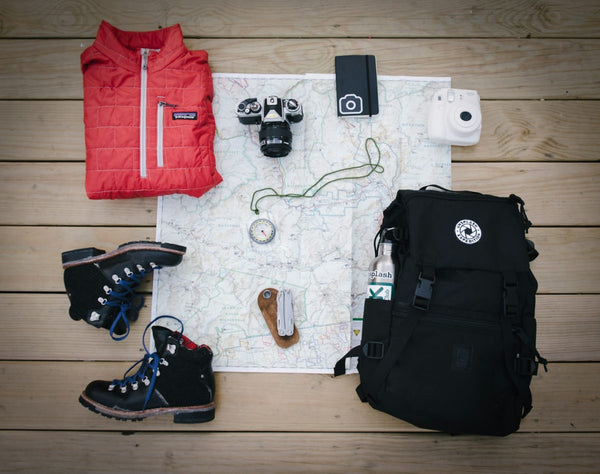
An emergency kit, often called a “go-bag,” is crucial for staying safe during large-scale civil disruptions. It should contain enough supplies for at least 72 hours, ideally longer.
- **Water Supply:** Store at least one gallon of water per person, per day, for drinking and sanitation. Consider water purification tablets or a filter.
- **Non-Perishable Food:** Pack easy-to-prepare, non-cook foods like canned goods, energy bars, and dried fruit. Don’t forget a manual can opener.
- **First-Aid Kit:** Include bandages, antiseptic wipes, pain relievers, any prescription medications, and any necessary medical devices (e.g., eyeglasses, hearing aid batteries).
- **Flashlight and Extra Batteries:** Essential for power outages. Avoid candles as they pose a fire risk.
- **Battery-Powered or Hand-Crank Radio:** Crucial for receiving official emergency broadcasts when power and internet are down.
- **Power Bank & Chargers:** Keep portable chargers fully charged for your mobile devices.
- **Important Documents:** Store copies of identification, insurance policies, birth certificates, and bank account information in a waterproof, portable container.
- **Cash:** ATMs and credit card systems might not work during power outages or widespread disruptions. Keep small denominations.
- **Personal Hygiene Items:** Toilet paper, soap, feminine hygiene products, hand sanitizer.
- **Warmth & Shelter:** Emergency blankets, a change of clothes for each family member, sturdy shoes.
- **Tools:** A multi-tool, duct tape, and a whistle for signaling for help.
3. Stay Informed and Aware
Knowing what’s happening is key to making good decisions. Rely on trusted sources.
- **Identify Reliable News Sources:** Tune into local news, emergency broadcast channels, or official government alerts (e.g., NOAA weather radio). Bookmark official websites.
- **Monitor Local Alerts:** Sign up for local emergency alerts via text or email if your community offers them.
- **Observe Your Surroundings:** Pay attention to what’s happening in your immediate neighborhood. Are businesses closing? Are people evacuating?
- **Avoid Rumors:** In times of uncertainty, rumors spread quickly. Always verify information from official channels before acting.
4. Plan Your Communication Strategy
How will you contact family members if typical methods fail?
- **Charge Devices:** Keep all mobile phones and communication devices fully charged when the power is on.
- **Text Over Call:** Text messages often get through when voice calls cannot, especially when networks are overloaded.
- **Alternative Communication:** Consider a two-way radio (walkie-talkie) for short-range communication with family members nearby.
- **Hard-Copy Contact List:** Keep a written list of important phone numbers in your emergency kit.
5. Know When and How to Evacuate
Sometimes, the safest option is to leave your home. Be prepared to do so quickly and safely.
- **Understand Evacuation Orders:** If authorities issue an evacuation order, follow it immediately. Do not wait.
- **Know Your Routes:** Plan multiple evacuation routes out of your neighborhood and town, in case one is blocked. Practice them if possible.
- **Prepare Your Vehicle:** Keep your vehicle fueled up and in good working order. Have maps (physical ones!) in case GPS is unavailable.
- **Have Your Go-Bag Ready:** If you need to evacuate, grab your go-bag and leave. Don’t waste time gathering non-essential items.
6. During the Event: Prioritize Safety
If a large-scale civil disruption occurs, your primary focus should be your safety and the safety of your family.
- **Stay Indoors (if safe):** Unless instructed otherwise by authorities, shelter in place. Lock doors and windows.
- **Avoid Conflict:** Do not engage with or confront individuals or groups involved in disruptive activities. Your safety is paramount.
- **Keep a Low Profile:** If you must go out, try to be inconspicuous. Avoid drawing attention to yourself.
- **Protect Your Mental Well-being:** Disruptions can be stressful. Stay connected with family (if possible), engage in calming activities, and limit exposure to overwhelming news.
7. After the Event: Recovery and Support
Once the immediate disruption has passed, focus on recovery and getting back to normal.
- **Assess Damage (if any):** Carefully check your home for any damage. Document everything for insurance purposes.
- **Check on Others:** Safely check on neighbors, friends, and family, especially those who are vulnerable.
- **Seek Assistance:** If you need help, contact local emergency services or relief organizations. They can provide food, shelter, or medical aid.
- **Restore Utilities Safely:** If power or water was out, follow official guidelines for safely restoring services.
Tips for Staying Safe & Common Mistakes to Avoid
Smart Tips for Staying Safe
- **Stay Calm:** Panic can lead to poor decisions. Take deep breaths and focus on your plan.
- **Trust Your Instincts:** If a situation feels unsafe, it probably is. Remove yourself from it.
- **Help Others (Safely):** If you can safely assist a neighbor or friend in need, do so. Community strength is vital.
- **Practice Your Plan:** Periodically review and practice your family emergency plan, especially with children.
- **Be Self-Reliant:** The more prepared you are, the less you’ll rely on external aid, which might be stretched thin.
Common Mistakes to Avoid
- **Ignoring Official Warnings:** Emergency services provide crucial information. Always heed their advice.
- **Relying Solely on Technology:** Batteries die, networks fail. Have analog backups (e.g., physical maps, hand-crank radio).
- **Waiting Until the Last Minute:** Preparation should happen *before* an event, not during.
- **Going Out Unnecessarily:** If you’re safe at home, stay there. Minimizing exposure to potential risks is key.
- **Sharing Sensitive Information Publicly:** Avoid posting your exact location, plans, or detailed concerns on social media during a disruption.
Key Takeaways for How to Stay Safe During Large-Scale Civil Disruptions
Staying safe during large-scale civil disruptions boils down to proactive preparation, constant awareness, and measured actions. Develop a clear family plan, build a comprehensive emergency kit, and commit to staying informed through official channels. Remember that your personal safety and the well-being of your family are your highest priorities. By following these steps, you enhance your resilience and ability to navigate challenging times effectively.
Frequently Asked Questions
What is the easiest way to How to Stay Safe During Large-Scale Civil Disruptions?
The easiest way to enhance your safety is through simple, consistent preparation. Start by creating a basic family emergency plan, identifying an out-of-state contact, and gathering essential supplies like water, non-perishable food, and a first-aid kit. Having a plan and basic resources significantly reduces stress and improves your response time.
How long does it take to prepare for large-scale civil disruptions?
Initial preparation, such as assembling a basic emergency kit and discussing a family plan, can take just a few hours. However, true preparedness is an ongoing process. Regularly checking your supplies, updating your plan, and staying informed about local risks should be a continuous effort, not a one-time task. You can build up your supplies and knowledge over time.
What should be in an emergency kit for civil disruptions?
An essential emergency kit for civil disruptions should include: water (1 gallon/person/day), non-perishable food, a first-aid kit, prescription medications, a flashlight with extra batteries, a hand-crank radio, fully charged power banks, copies of important documents, some cash, and personal hygiene items. Think of items you’d need if you had no power or access to stores for at least 3 days.
Conclusion: Your Safety is Within Your Control
Navigating large-scale civil disruptions can be challenging, but it doesn’t have to be overwhelming. By taking the proactive steps outlined in this guide – preparing your home, building an emergency kit, staying informed, and knowing how to communicate – you significantly increase your chances of staying safe and protecting your loved ones. Remember, knowledge and preparation are your best tools. Start today, and build your confidence in handling whatever comes your way.
Looking for more inspiration? Explore the full Mavigadget Gift Ideas Collection for creative solutions.
Filed under
Written by
Kevin
Outdoor & Travel, MaviGadget
Kevin writes for the MaviGadget Journal, testing the gadgets that promise to change your day and reporting honestly on the ones that actually do.