Beat the Heat: Your Ultimate Guide to Enjoyable Summer Camping
Mastering Summer Camping: Your Guide to Staying Cool and Comfortable Embrace the Warmth: Your Guide to Enjoyable Summer Camping Summer camping holds a special allure. Long days, starry nights, and the freedom of the outdoors. But let’s be honest, those beautiful summer days can sometimes bring intense heat, turning what should be a relaxing getaway […]

Embrace the Warmth: Your Guide to Enjoyable Summer Camping
Summer camping holds a special allure. Long days, starry nights, and the freedom of the outdoors. But let’s be honest, those beautiful summer days can sometimes bring intense heat, turning what should be a relaxing getaway into a sweaty challenge. Nobody wants to feel miserable when they’re supposed to be connecting with nature. The good news is, with a little planning and the right strategies, you can absolutely enjoy camping in warm weather without feeling like you’re melting. It’s all about making smart choices, from where you pitch your tent to what you pack in your cooler. We’re here to share practical, real-world advice to help you stay cool, comfortable, and happy on your next summer camping trip.
Choose Your Oasis: Smart Campsite Selection
Your camping experience begins long before you even unpack your bags – it starts with picking the perfect spot. When the sun is high and the temperatures are rising, your campsite choice can make all the difference between a sweltering struggle and a breezy retreat.
Seek Out the Shade
- Natural Cover is Key: Prioritize sites that offer ample tree cover, especially from the afternoon sun. Think about the sun’s path throughout the day; aim for shade that will protect your tent during the hottest hours. A good rule of thumb is to look for areas where the trees are mature and dense enough to block direct sunlight for most of the day.
- North or East-Facing Slope: If you have the option, a site on a north or east-facing slope can offer a natural advantage. These areas tend to receive less direct sun exposure during the peak heat of the day, helping to keep the ground and air around your campsite a bit cooler.
- Check Your Surroundings: Be mindful of open, exposed areas like large clearings or parking lots. While these might seem convenient, they’ll act as heat traps, radiating warmth long after the sun goes down. A little extra walking for a shaded spot is often worth it.
Mind the Airflow
- Openness to Breezes: Look for a site that allows for good air circulation. Avoid natural windbreaks like dense brush or solid rock formations that could block any cooling breezes. A campsite near a lake or river, for example, often benefits from natural air movement.
- Elevated Spots: Higher ground can sometimes mean better airflow, as cool air tends to sink. However, balance this with shade availability. The ideal spot would be slightly elevated with good tree cover allowing air to move freely.
- Ventilation First: Even if there’s no obvious breeze, an open site allows for what little air movement there is to pass through, helping to dissipate heat more effectively than a closed-in area.
Your Tent: A Cool Sanctuary
Your tent is your home away from home, and in hot weather, you want it to be a refuge, not an oven. Smart pitching and utilizing your tent’s features are crucial for a comfortable night’s sleep.
Strategic Pitching for Breeze
- Face the Wind: Orient your tent so that its main openings (doors and larger windows) face into the prevailing wind. This allows air to flow directly through the tent, creating a natural cooling effect. Even a slight breeze can make a significant difference.
- Remove the Rainfly: If the forecast is clear and there’s no chance of rain, consider leaving the rainfly off your tent. Most modern camping tents have mesh roofs or large mesh panels underneath the fly. Removing it instantly improves ventilation and allows heat to escape upwards. Just be sure to check the weather diligently before doing this.
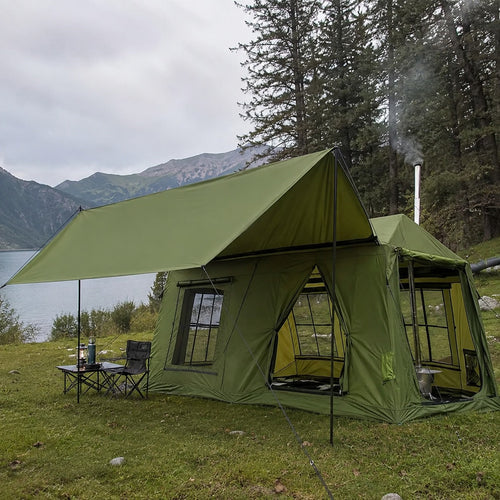
- Avoid Direct Sunlight: Even if your campsite is generally shady, pay attention to the exact spot where your tent will sit. Try to ensure your tent isn’t directly exposed to the sun during the hottest parts of the day. If you can’t avoid it entirely, consider pitching a tarp or additional sunshade over your tent for extra protection.
Prioritize Ventilation Features
- Mesh is Your Friend: Look for tents with extensive mesh panels on walls, doors, and the ceiling. The more mesh, the better the airflow. Some tents are designed almost entirely with mesh for ultimate breathability.
- Multiple Doors and Vents: A tent with two doors allows for excellent cross-ventilation. Additionally, tents with dedicated vents (often near the top or bottom of the tent walls) can significantly improve air circulation, allowing hot air to escape and cooler air to enter. Keep all vents open whenever possible.
- Consider a Lightweight Hammock or Screen House: For ultimate air circulation, especially for sleeping, a camping hammock or a standalone screen house can be a game-changer on clear, dry nights. They offer protection from bugs while allowing maximum airflow.
Gear Up for Cool Comfort
What you bring with you can dramatically impact your comfort levels. Forget heavy blankets and thick sweaters; summer camping calls for a different kind of packing list.
Sleep Systems: Beyond the Sleeping Bag
- Lightweight Sleeping Bag or Liner: Ditch the heavy winter sleeping bag. Opt for a summer-rated bag (comfort rating 40°F/5°C or higher) or, better yet, a lightweight sleeping bag liner made from cotton, silk, or a specialized wicking material. These offer just enough warmth for cooler nights without trapping excessive heat.
- Sleeping Pad Choices: While insulated sleeping pads are great for warmth, in hot weather, a simple closed-cell foam pad or even a thin air mattress can be sufficient. Some specialized pads are designed with airflow channels to prevent heat buildup.
- Cotton Sheets or a Light Blanket: Instead of a sleeping bag, many campers find pure comfort in a simple cotton flat sheet or a thin, lightweight blanket. These offer a familiar feel and allow your body to breathe.
- Pillow Power: A dedicated camping pillow is fine, but for extra coolness, consider a small, inflatable pillow or even just a stuff sack filled with clothes. The key is to keep your head slightly elevated and allow air to circulate around it.
Lightweight and Breathable Clothing
- Moisture-Wicking Fabrics: Forget cotton for active wear, as it absorbs sweat and dries slowly, making you feel clammy. Instead, choose clothing made from synthetic materials like polyester or nylon, or natural fibers like merino wool (which is surprisingly effective in warm weather). These fabrics pull moisture away from your skin, helping it evaporate and cool you down.
- Loose-Fitting and Light-Colored: Loose-fitting clothes allow air to circulate between the fabric and your skin. Light colors reflect sunlight, whereas dark colors absorb it, making you feel hotter.
- Pack for Layers: Even on hot days, evenings can cool down. Pack light layers you can easily add or remove, such as a long-sleeved, breathable shirt for sun protection during the day and a light fleece for evenings.
Personal Cooling Gadgets
- Portable Fans: A small, battery-operated portable fan can be a lifesaver inside your tent or even clipped to your chair. Look for models that are quiet and have a long battery life.
- Cooling Towels: These specialized towels are designed to stay cool when wet, offering instant relief when draped around your neck or forehead. They are lightweight and incredibly effective.
- Misters/Spray Bottles: A simple spray bottle filled with water can provide a refreshing mist on your face and body. Some even come with small battery-operated fans for an extra cooling boost.
Hydration and Refreshment: Fueling Your Cool
Staying hydrated is paramount in hot weather. It’s not just about comfort; it’s about safety. Your body loses fluids faster when it’s hot, so proactive hydration and smart food choices are key.
Drink, Drink, and Then Drink More
- Water is Life: Carry plenty of water and drink it frequently, even if you don’t feel thirsty. Your body needs more water than usual in warm conditions. Electrolyte-rich drinks or powders can also be helpful to replenish salts lost through sweat.
- Insulated Water Bottles: Invest in a good insulated water bottle or hydration reservoir that keeps your water cool for hours. There’s nothing quite like a sip of truly cold water on a hot day.
- Cooler Management: Keep your cooler well-stocked with ice. Consider freezing water bottles or juice boxes to serve as extra ice packs that you can drink as they melt.
Smart Camp Cooking
- No-Cook or Low-Cook Meals: Avoid meals that require a lot of stove time or cooking over a hot fire. Think salads, sandwiches, pre-made wraps, or fruits and vegetables. If you must cook, do it during the cooler parts of the day (early morning or late evening).
- Fresh and Hydrating Foods: Pack plenty of water-rich foods like watermelon, cucumbers, oranges, and berries. These snacks contribute to your hydration levels and are naturally refreshing.
- Cooler Snacks: Keep yogurt, cheese sticks, and chilled fruit readily accessible in your cooler for quick, refreshing bites.
Cooling Off with Water
- Swim, Splash, Soak: If there’s a nearby lake, river, or public pool, take advantage! A dip in cool water is one of the quickest ways to bring your body temperature down.
- Cool Showers or Sponge Baths: If your campsite has shower facilities, a cool rinse can be incredibly revitalizing. If not, a portable solar shower or even just a wet washcloth can offer much-needed relief.
- Foot Soaks: Soaking your feet in a basin of cool water can help lower your overall body temperature. It’s a simple, effective, and surprisingly pleasant way to cool down.
Daytime Strategies for Staying Chill
While relaxing at your campsite is wonderful, you’ll likely want to explore. Planning your activities around the sun’s schedule can make your daytime adventures much more enjoyable.
Time Your Activities Wisely
- Early Birds and Night Owls: Schedule strenuous activities like hiking, biking, or exploring during the cooler parts of the day – early morning or late afternoon/evening. The midday sun is when temperatures peak, making physical exertion riskier and less comfortable.
- Seek Shaded Trails: When hiking, choose trails that offer good tree cover. A forest trail will be significantly cooler than an open path.
- Plan Midday Relaxation: Use the hottest hours of the day for low-key activities at your shaded campsite. Read a book, play a board game, take a nap, or simply lounge in a hammock.
Embrace Water Fun
If you’re camping near a body of water, make it central to your daytime plans:
- Kayaking/Canoeing: Enjoy the water while getting some exercise. The breeze off the water can be incredibly refreshing.
- Paddleboarding: A great way to explore calm waters and cool off if you fall in!
- Fishing: Find a shaded spot by the water and enjoy a relaxing fishing session.
Personal Well-being and Safety
Beyond comfort, your health and safety are paramount. Hot weather can pose risks if not managed properly. A few simple precautions can keep you feeling good and protected.
Sun Protection is Paramount
- Sunscreen, Always: Apply broad-spectrum sunscreen with an SPF of 30 or higher liberally and reapply it every two hours, or more often if swimming or sweating.
- Hats and Sunglasses: A wide-brimmed hat protects your face, ears, and neck from direct sun, while sunglasses shield your eyes from harmful UV rays.
- UPF Clothing: Consider clothing with Ultraviolet Protection Factor (UPF). These fabrics are specifically designed to block UV radiation and offer excellent sun protection without the need for constant sunscreen reapplication on covered areas.
Bug Defense
Warm weather often brings out the insects. While not directly related to heat, preventing bug bites contributes significantly to your overall comfort and well-being.
- Insect Repellent: Use an effective insect repellent, especially during dawn and dusk when mosquitoes are most active.
- Cover Up: When bugs are particularly bothersome, consider wearing light, long-sleeved shirts and pants, even if it’s warm. Choose breathable fabrics.
- Citronella Candles/Coils: At your campsite, citronella candles or mosquito coils can help create a bug-free zone.
Listening to Your Body
- Recognize Heat-Related Illnesses: Be aware of the signs of heat exhaustion (dizziness, nausea, heavy sweating, muscle cramps) and heatstroke (hot, dry skin; confusion; rapid pulse). If you or someone you’re with experiences these symptoms, seek immediate medical attention.
- Take Breaks: Don’t push yourself too hard. Take frequent breaks in the shade, especially during physical activities.
- Rest When Needed: Hot weather can be draining. Allow yourself to rest and recover, even if it means altering your plans slightly.
Your Cool, Comfortable Camping Adventure Awaits!
Camping in hot weather doesn’t have to be a test of endurance. With a bit of foresight and these practical tips, you can transform a potentially sweltering experience into a genuinely comfortable and enjoyable outdoor adventure. From picking the perfect shaded spot to choosing the right gear and staying properly hydrated, every small step contributes to a more pleasant journey. So, go ahead, embrace the warmth, and create some wonderful summer camping memories. You’ve got this!
Filed under
Written by
Cloe
Outdoor & Travel, MaviGadget
Cloe writes for the MaviGadget Journal, testing the gadgets that promise to change your day and reporting honestly on the ones that actually do.