Beat the Heat: Essential Tips to Keep Your Tent Cool in Summer
Beat the Heat: Essential Tips to Keep Your Tent Cool in Summer How to Keep Your Tent Cool During Hot Summer Days Summer camping can be an amazing experience, but when the sun beats down, your tent can quickly turn into a stuffy oven. No one wants to spend their precious camping time sweating and […]

How to Keep Your Tent Cool During Hot Summer Days
Summer camping can be an amazing experience, but when the sun beats down, your tent can quickly turn into a stuffy oven. No one wants to spend their precious camping time sweating and uncomfortable. Fortunately, there are several effective strategies to keep your tent cool and make your outdoor adventures much more enjoyable. Let’s dive into some simple, practical tips to help you beat the heat and stay comfortable during those warm summer days.
Location, Location, Location: Choosing the Right Campsite
Where you set up your tent is the first and arguably most critical step in keeping it cool. Carefully selecting your campsite can make a huge difference in how comfortable you are.
- Seek Shade: The most obvious, yet most effective, strategy is to pitch your tent in the shade. Look for campsites under trees, particularly deciduous trees that provide ample shade during the day. The shade will significantly reduce the amount of direct sunlight hitting your tent, lowering the internal temperature.
- Consider the Sun’s Path: Think about how the sun moves across the sky throughout the day. Try to position your tent so it’s shaded during the hottest part of the afternoon. You might need to reposition your tent or choose a spot where the sun is blocked by trees for the majority of the day.
- Avoid Heat Traps: Steer clear of areas that could trap heat. Avoid setting up your tent near rocks or dark surfaces that absorb and radiate heat. Also, be mindful of enclosed spaces or areas with poor airflow.
- Wind Advantage: If possible, position your tent to take advantage of any prevailing breezes. Even a gentle breeze can help with ventilation and cool the tent down naturally.
Tent Design and Features for Cooler Camping
The design of your tent plays a significant role in its ability to stay cool. When choosing a tent, consider the following features:
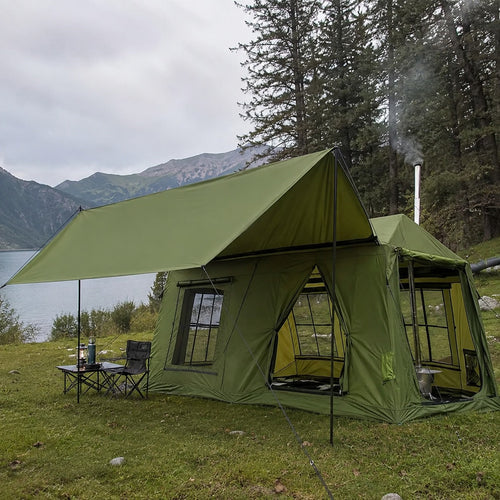
- Ventilation is Key: Look for tents with plenty of ventilation options. This includes mesh windows, roof vents, and ground vents. These features allow hot air to escape and cooler air to circulate, which is crucial for keeping the tent cool.
- Light-Colored Tent Materials: Choose a tent with a light-colored rainfly. Light colors reflect sunlight, whereas darker colors absorb it. A light-colored rainfly can help keep the interior of your tent cooler.
- Mesh Panels: Tents with large mesh panels provide excellent ventilation, especially on warm evenings. Mesh allows for airflow without letting bugs in, which is essential for comfort.
- Double-Wall Tents: Consider a double-wall tent. These tents have an inner layer (the tent body) and an outer layer (the rainfly). The space between these walls creates an insulating layer, helping to regulate temperature. This is especially helpful in the heat.
Setting Up Your Tent for Optimal Cooling
Once you’ve chosen your campsite and tent, the way you set it up can also impact its temperature. Here’s how to set up your tent to maximize coolness:
- Proper Rainfly Placement: Make sure your rainfly is properly installed. This creates space between the rainfly and the tent body, allowing for airflow. Ensure the rainfly doesn’t touch the tent body as this can trap moisture and heat.
- Maximize Ventilation: Open all available vents and windows, especially at night when the air is cooler. This allows for cross-ventilation, which can significantly reduce the tent’s temperature.
- Guy Lines for Airflow: Use your guy lines to create space between the rainfly and the tent body. This provides more airflow, improving ventilation and cooling.
- Ground Cover: Use a ground tarp or footprint under your tent. This protects the tent floor from damage, and it can also help insulate the tent from the ground, which can be hot during the day.
Cooling Hacks and Gadgets for Camping Comfort
Beyond tent selection and setup, there are several other tricks and gadgets you can use to keep your tent cool. Here are some ideas:
- Reflective Tarp or Sunshade: Place a reflective tarp or sunshade over your tent. This will reflect sunlight and reduce the heat absorbed by the tent.
- Portable Fans: A battery-powered or USB-powered fan can provide a significant cooling effect. Place the fan strategically to circulate air within the tent. There are many small, portable camping fans available that are designed for this purpose.
- Insulated Sleeping Pad: Use an insulated sleeping pad. This can help prevent heat transfer from the ground, which can be especially helpful if the ground is warm.
- Freeze Water Bottles: Freeze water bottles and place them inside the tent. As they thaw, they’ll help cool the air around them. You can even use them as makeshift ice packs.
- Wet Towels: Hang wet towels inside the tent. As the water evaporates, it will cool the air.
- Avoid Cooking Inside: Avoid cooking inside your tent. Cooking generates heat and moisture, which will make the tent hotter and more humid.
- Use a Solar Shower: A solar shower can be filled with cold water and left out in the sun. It provides a refreshing way to cool off, but make sure you are mindful of where the water goes to avoid attracting insects or causing environmental concerns.
- Wear Breathable Clothing: Wear light-colored, breathable clothing made of materials like cotton or linen. This will help you stay cool and comfortable inside the tent.
Time of Day Tactics: Cooling Strategies for Different Times
Adjusting your cooling strategies based on the time of day is important for maximizing comfort.
- Morning: Open up all vents and windows early in the morning to let in the cool air. Make sure your tent is shaded as the sun rises.
- Midday: Close windows and vents to keep the sun out. Use a reflective tarp or sunshade over your tent. Consider staying out of the tent during the hottest part of the day.
- Evening: As the sun sets, open the vents and windows to let the cooler evening air circulate. Use your portable fan for extra cooling.
- Night: Keep windows and vents open to allow the cool night air to flow through your tent.
Staying Hydrated and Comfortable
Remember, staying hydrated is crucial when camping in the heat. Drink plenty of water throughout the day. You can also add electrolytes to your water to help you stay hydrated. And, of course, wear sunscreen and a hat to protect yourself from the sun.
Dealing with Condensation
Even with the best ventilation, condensation can still occur, especially during the night when the air cools down. Here’s how to minimize it:
- Ventilate: Proper ventilation is key. Make sure all vents and windows are open to allow moisture to escape.
- Avoid Bringing Wet Items Inside: Don’t bring wet clothes or gear into the tent. Hang them outside or in a well-ventilated area.
- Shake Out Your Tent Daily: In the morning, shake out your tent to remove any condensation that has formed.
- Use a Tent Footprint: This can help keep moisture from the ground from seeping into your tent.
Troubleshooting Common Problems
Sometimes, despite your best efforts, you might encounter issues. Here are some solutions for common problems:
- Too Hot Despite Ventilation: If your tent is still too hot, try repositioning it to a shadier spot if possible. Also, experiment with different ventilation setups to find what works best.
- Condensation Buildup: If condensation is excessive, double-check your ventilation and ensure you’re not bringing any wet items inside. Consider wiping down the inside of the tent in the morning to remove the moisture.
- Sun Glare: If sunlight is causing glare inside the tent, consider using a sunshade or closing some of the windows.
- Bugs: Keep all windows and doors closed. Use mosquito netting and insect repellent.
Camping in Extremely Hot Weather
If you are camping in areas with extreme heat, be prepared for extra challenges. Consider these points:
- Avoid Peak Heat: If possible, plan your activities for the cooler parts of the day – early morning and late evening.
- Take Breaks in Cool Areas: Spend the hottest part of the day in shaded areas or near water.
- Monitor Weather Conditions: Pay attention to the weather forecast and be prepared for sudden changes.
- Emergency Preparedness: Carry extra water, sunscreen, and a first-aid kit. Know the signs of heatstroke and heat exhaustion.
Wrapping Up Your Cool Camping Experience
Camping in the summer shouldn’t mean sacrificing comfort. By carefully choosing your campsite, selecting the right tent, and employing a few clever cooling strategies, you can create a comfortable and enjoyable outdoor experience. Remember to prioritize shade, ventilation, and hydration, and don’t be afraid to experiment with different techniques to find what works best for you. With a little planning and preparation, you can easily beat the heat and make the most of your summer camping adventures. Happy camping!
“`
Filed under
Written by
Arthur
Outdoor & Travel, MaviGadget
Arthur writes for the MaviGadget Journal, testing the gadgets that promise to change your day and reporting honestly on the ones that actually do.