Unlock the Spaciousness: Your Ultimate Guide to Making Small Rooms Feel Bigger and Brighter
How to Make Small Spaces Feel Bigger and More Open: Your Ultimate Guide Introduction: Unlock the Potential of Your Small Space Living in a smaller home or apartment doesn’t mean you have to sacrifice comfort or style. With clever design choices and smart organization, you can transform even the coziest room into an airy, open, […]

Introduction: Unlock the Potential of Your Small Space
Living in a smaller home or apartment doesn’t mean you have to sacrifice comfort or style. With clever design choices and smart organization, you can transform even the coziest room into an airy, open, and inviting sanctuary. This guide will walk you through simple, actionable steps on how to make small spaces feel bigger and more open, helping you create a home that feels light, spacious, and perfectly yours.
Quick Summary: Transform Your Tight Quarters
Ready to give your rooms a fresh, spacious feel? Here’s a snapshot of how we’ll achieve it:
- Declutter & Organize Smartly: Create visual calm by clearing excess items.
- Embrace Light & Bright Colors: Reflect light and expand perception.
- Maximize Natural & Artificial Light: Brighten every corner to push boundaries.
- Strategic Mirror Placement: Add depth and multiply light effectively.
- Choose Furniture Wisely: Opt for pieces that don’t overcrowd the room and serve multiple purposes.
How to Make Small Spaces Feel Bigger and More Open: Step-by-Step Guide
Follow these practical steps to visually expand your living areas and enjoy a more open feel.
-
Declutter and Organize with Purpose
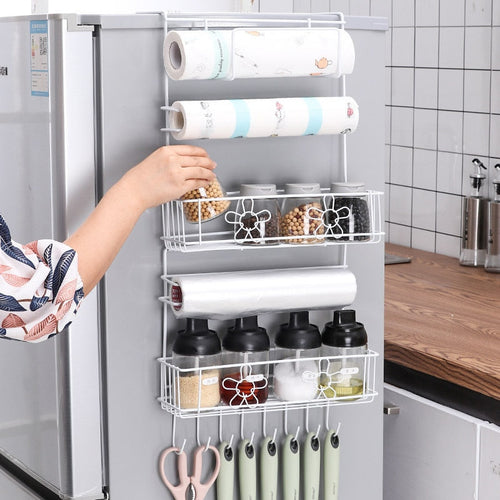
The first and most impactful step to making a small space feel bigger is to remove anything you don’t truly need or love. Clutter quickly shrinks a room. Start by going through each item and deciding if it serves a purpose or brings you joy. For items you keep, invest in smart storage solutions like wall-mounted shelves, under-bed drawers, or storage ottomans. A clear surface and organized belongings instantly create a sense of calm and openness.
-
Embrace Light and Bright Color Schemes
Color has a powerful effect on how we perceive space. Light and neutral colors, like white, cream, pale grey, or soft pastels, reflect light rather than absorbing it. This makes walls appear to recede, creating an illusion of greater depth and openness. Painting walls and ceilings in the same light shade further blurs the boundaries, making the room feel taller and wider. Stick to a cohesive, light color palette for your major elements like walls, large furniture pieces, and even flooring for the best effect.
-
Maximize Light: Both Natural and Artificial
Light is your best friend when trying to make a small space feel bigger. Abundant light, especially natural light, tricks the eye into believing there’s more space. Here’s how to harness it:
- Keep Windows Clear: Use sheer curtains or simple blinds that can be fully pulled up or to the side. Avoid heavy drapes that block light and make windows appear smaller.
- Add Task and Ambient Lighting: Supplement natural light with well-placed lamps. Use a mix of floor lamps, table lamps, and wall sconces to illuminate dark corners and create layers of light. This brightens the room and draws the eye around, expanding its perceived size.
-
Strategically Place Mirrors to Add Depth
Mirrors are a classic and highly effective tool for making a small space feel bigger. They reflect light and the view, creating the illusion of another window or an extended room. Consider these placements:
- Opposite a Window: This will bounce natural light deeper into the room and reflect the outdoor view, essentially doubling it.
- On a Narrow Wall: A large mirror can make a cramped hallway or a small wall appear wider.
- Behind Furniture: Placing a mirror behind a sofa or console table can add depth without taking up floor space.
The bigger the mirror, the greater the impact!
-
Choose Furniture Wisely and Scale Appropriately
The right furniture can make a world of difference. Avoid bulky, oversized pieces that overwhelm a small room. Instead, look for:
- Multi-functional Pieces: Ottomans with storage, sofa beds, or nested tables save space by serving more than one purpose.
- Leggy Furniture: Sofas, chairs, and tables with exposed legs allow light to flow underneath, creating a sense of openness and making the room feel less cluttered.
- Transparent or Light Materials: Glass or acrylic tables, open shelving, and furniture with light fabrics can visually disappear, making the room feel less dense.
- Right Scale: Choose furniture that is proportionate to the size of the room. A smaller sofa is better than a huge sectional in a tiny living area.
-
Go Vertical with Storage and Decor
When floor space is limited, look up! Utilizing vertical space draws the eye upwards, making ceilings appear higher and the room feel more expansive. Install tall, narrow bookshelves, floating shelves, or wall-mounted storage units. Hang curtains close to the ceiling to make windows look taller. Even artwork hung slightly higher than usual can contribute to this vertical illusion.
-
Create Clear Pathways and Visual Flow
The way you arrange your furniture impacts how easily you can move around, and this dramatically affects how open a space feels. Ensure there are clear, unobstructed pathways between furniture pieces. Avoid placing large items directly in the line of sight when you enter a room. By allowing the eye to travel easily across the room, you create a sense of unrestricted space. Floating furniture away from walls, even by a few inches, can also give a room a more expansive feel.
Tips for Maximizing Space and Avoiding Common Mistakes
Pro Tips for an Expansive Feel
- Keep it Monochromatic: Using different shades of the same color throughout your decor creates a seamless, flowing look that makes a room feel larger and more cohesive.
- Embrace Open Shelving: Instead of heavy cabinets, open shelving can display decorative items without visually closing off the space.
- Use Area Rugs Wisely: A single, large rug can define a seating area and make the room feel more unified and larger, rather than several small rugs chopping up the floor.
- Minimize Patterns: While a touch of pattern is fine, too many busy patterns can make a small room feel cluttered and overwhelming. Opt for subtle textures instead.
Common Mistakes to Avoid
- Over-Decorating: Too many knick-knacks, photos, or small decorative items can quickly make a small space feel crowded and messy. Less is often more.
- Blocking Natural Light: Heavy, dark curtains or furniture placed directly in front of windows will instantly shrink a room.
- Ignoring Vertical Space: Letting walls go bare when floor space is tight is a missed opportunity to add storage or visual interest that draws the eye up.
- Using Too Many Small Furniture Pieces: While intuitive, many small pieces can make a room feel busier and more cluttered than a few appropriately sized, multi-functional larger pieces.
Key Takeaways: Your Blueprint for a Bigger Feel
Transforming your small space into an open, airy haven is entirely achievable. Remember these core principles:
- Declutter Ruthlessly: A clean slate is the best starting point.
- Light is Key: Maximize both natural and artificial light sources.
- Color Power: Use light, neutral colors to expand visual boundaries.
- Smart Choices: Select multi-functional, leggy, and appropriately scaled furniture.
- Reflect and Expand: Strategically place mirrors to create depth.
- Look Up: Utilize vertical space to draw the eye upwards.
By applying these simple yet effective strategies, you’ll learn how to make small spaces feel bigger and more open, creating a home that’s both functional and beautifully expansive.
Frequently Asked Questions
What is the easiest way to make a small space feel bigger?
The absolute easiest way to make a small space feel bigger is to declutter and maximize light. Removing excess items instantly reduces visual noise, while opening curtains and adding light sources brightens the room, making it appear more expansive and inviting.
How long does it take to make a small space feel bigger?
You can start making a small space feel bigger in as little as an hour by simply decluttering a surface and opening blinds or curtains. More significant changes, like painting or reorganizing furniture, might take a weekend. The impact of these changes, however, is immediate and lasting.
Can decluttering really make a room feel larger?
Absolutely! Decluttering is one of the most effective strategies. When a room is free of unnecessary items, it reduces visual ‘clutter’ and allows the eye to perceive the full dimensions of the space. This creates an immediate sense of openness and calm, making the room feel significantly larger.
Conclusion: Embrace Your Expanded Home
You now have the tools and knowledge to unlock the full potential of your living areas. Applying these techniques on how to make small spaces feel bigger and more open will not only enhance the visual appeal of your home but also improve its functionality and your overall well-being. Start small, be consistent, and watch your rooms transform into the spacious, inviting havens you deserve. Enjoy the feeling of an expanded home!
Looking for more inspiration? Explore the full Mavigadget Gift Ideas Collection for creative solutions.
Filed under
Written by
Cloe
Home & Kitchen, MaviGadget
Cloe writes for the MaviGadget Journal, testing the gadgets that promise to change your day and reporting honestly on the ones that actually do.