The Ultimate Guide to Fridge Freshness: Keep Your Food Longer & Waste Less
How to Keep Food Fresh Longer in the Fridge: Your Ultimate Guide Introduction: Master the Art of Freshness in Your Fridge Ever tossed out wilted greens or spoiled leftovers, wondering if there was a better way? You’re not alone! Keeping food fresh longer in the fridge isn’t just about saving money; it’s about enjoying delicious, […]

Introduction: Master the Art of Freshness in Your Fridge
Ever tossed out wilted greens or spoiled leftovers, wondering if there was a better way? You’re not alone! Keeping food fresh longer in the fridge isn’t just about saving money; it’s about enjoying delicious, quality ingredients and reducing food waste. This guide will walk you through practical, easy-to-follow steps to extend the life of your groceries, making your fridge a hub of lasting freshness.
Quick Summary: Your Path to Lasting Freshness
To truly learn how to keep food fresh longer in the fridge, focus on these core principles:
- Maintain the right temperature and understand your fridge’s different storage zones.
- Use proper cleaning, preparation, and packaging techniques for various food types.
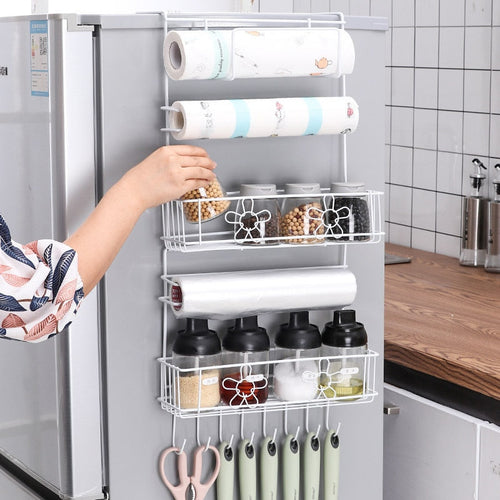
- Organize your fridge smartly to ensure good airflow and easy access to all items.
Step-by-Step Instructions: How to Keep Food Fresh Longer in the Fridge
Step 1: Set Your Fridge to the Optimal Temperature
The first and most crucial step for preserving fresh food is a correctly set refrigerator. Temperatures that are too high encourage bacterial growth, while those too low can freeze and damage sensitive foods. Most experts recommend keeping your fridge between 35°F and 40°F (1.7°C and 4.4°C).
- Check your fridge’s temperature: If your fridge doesn’t have a built-in display, use an inexpensive appliance thermometer. Place it in the middle of a shelf and check it after a few hours.
- Adjust settings as needed: Aim for the middle of the recommended range to keep all your food safe and fresh without freezing it.
Step 2: Understand and Utilize Your Fridge’s Storage Zones
Your refrigerator isn’t one uniform cooling box. Different areas have different temperatures, making them ideal for specific types of food. Knowing these zones is key to how to keep food fresh longer in the fridge.
- Top Shelf: This area often has the most consistent temperature. It’s best for ready-to-eat foods like leftovers, deli meats, cooked foods, and dairy products like yogurt and cheese.
- Middle Shelves: Similar to the top, these shelves are great for eggs, milk, and other dairy items.
- Bottom Shelf: This is typically the coldest part of your fridge. Raw meat, poultry, and fish should always go here, ideally in a tray or plate to catch any potential drips and prevent cross-contamination.
-
Crisper Drawers: These specialized drawers are designed to manage humidity.
- High-humidity drawer: Ideal for leafy greens (spinach, lettuce), carrots, broccoli, and other vegetables that need moisture to stay crisp and avoid wilting.
- Low-humidity drawer: Best for fruits like apples, pears, and bell peppers that release ethylene gas and can spoil other produce if not stored separately.
- Door Shelves: This is the warmest part of the fridge due to frequent opening. Only store items with natural preservatives here, such as condiments, jams, and juices. Avoid placing milk or eggs here, as they require more consistent cold.
Step 3: Master Proper Prepping and Packaging Techniques
How you prepare and store food before it enters the fridge makes a huge difference in its longevity and helps tremendously with how to keep food fresh longer in the fridge.
-
Clean and Dry Produce (Strategically):
- Wash sturdy produce: Items like carrots, celery, and bell peppers can be washed, dried thoroughly, and then stored.
- Avoid washing delicate produce too early: Berries, mushrooms, and most leafy greens are often best washed just before use to prevent mold and premature spoilage. If you must wash greens, dry them completely with a salad spinner or paper towels before storing.
- Trim & Prep Greens: For leafy greens, remove any rubber bands, trim off tough or damaged stems, and gently pat dry. Store them with a paper towel in an airtight container or bag to absorb excess moisture.
- Use Airtight Containers: Glass or BPA-free plastic containers are excellent for leftovers, cut vegetables, and prepared foods. They prevent air exposure, which causes spoilage, and keep strong odors from spreading to other items.
-
Wrap Foods Properly:
- Aluminum foil: Good for wrapping cut vegetables (like half an onion) or opened hard cheeses.
- Plastic wrap: Use to tightly seal bowls or wrap individual items to create a barrier against air.
- Beeswax wraps: An eco-friendly alternative for covering bowls or wrapping produce like avocados and lemons.
- Separate Ethylene Producers: Some fruits (like apples, bananas, avocados, and ripe tomatoes) release ethylene gas, which speeds up the ripening and spoilage of other sensitive produce. Store these separately, ideally in a low-humidity crisper drawer or outside the fridge, depending on the item.
Step 4: Organize Your Fridge and Practice “First In, First Out” (FIFO)
A well-organized fridge helps you see what you have, preventing items from getting lost and spoiling. This organization is a smart strategy on how to keep food fresh longer in the fridge.
- Label and Date: Use labels or a marker to note the date you stored leftovers, opened packages, or prepped ingredients. This simple habit helps you track freshness and make informed decisions.
- Apply FIFO: Always put new groceries behind older ones of the same type. This “First In, First Out” rule ensures you use the older items first, minimizing waste.
- Designate Zones: Assign specific shelves or sections for categories like “cooked meals,” “dairy,” “produce,” etc. This makes it easier to find what you need and put things back in their proper place.
Step 5: Avoid Overpacking Your Refrigerator
While it might seem counterintuitive, a tightly packed fridge is less efficient and can lead to faster spoilage.
- Ensure Airflow: Cold air needs to circulate freely to maintain a consistent temperature throughout the fridge. Overpacking blocks this airflow, creating warm spots where food can spoil quickly.
- Don’t Block Vents: Make sure no food items are directly blocking the vents inside your fridge, as these are crucial for proper air circulation.
Step 6: Handle Leftovers Safely and Swiftly
Leftovers are great, but only if stored correctly and promptly. This is a crucial aspect of how to keep food fresh longer in the fridge.
- Cool Quickly: Don’t put hot food directly into the fridge, as it can raise the internal temperature and endanger other foods. Instead, divide large portions into smaller, shallow containers to cool down faster on the counter (ideally within two hours).
- Refrigerate Promptly: Once food has cooled to room temperature, transfer it to airtight containers and place it in the fridge immediately.
- Consume Within 3-4 Days: Most cooked leftovers are best consumed within 3 to 4 days. When in doubt, it’s always safer to throw it out.
Step 7: Keep Your Fridge Clean and Odor-Free
A clean fridge is a happy, fresh fridge, and a key part of how to keep food fresh longer in the fridge!
- Regular Wipes: Wipe up spills immediately to prevent bacteria growth and the spread of odors.
- Deep Clean: Periodically (every 1-3 months), remove all contents, wash shelves and drawers with warm soapy water, and dry thoroughly.
- Odor Absorber: An open box of baking soda or activated charcoal can help absorb unwanted smells, keeping your fridge smelling fresh and clean.
Tips & Common Mistakes for Keeping Food Fresh
Even with the best intentions, some habits can unknowingly shorten your food’s shelf life. Here are some extra tips and mistakes to avoid when learning how to keep food fresh longer in the fridge.
- Mistake: Storing Everything in the Fridge. Not all foods belong in the cold! Tomatoes lose flavor and texture, potatoes and onions can become starchy or sprout, and bread dries out faster. Store these at room temperature or in a cool, dark pantry.
- Mistake: Not Drying Produce. Excess moisture is an enemy of freshness, promoting mold and rot. Always ensure washed produce is thoroughly dry before refrigeration.
- Tip: Use Smart Storage Solutions. Specialized produce bags with ventilation, silicone food huggers for cut fruits/veg, and even vacuum sealers can further extend freshness by controlling moisture and air exposure.
- Tip: Don’t Rely Solely on “Best By” Dates. These are often quality indicators, not strict safety deadlines. Use your senses (smell, sight) to determine if food is still good, especially for non-perishables or slightly past-date items.
- Tip: Chill Perishables Promptly After Shopping. The “danger zone” for bacteria growth is between 40°F and 140°F (4.4°C and 60°C). Get groceries, especially dairy, meats, and produce, into the fridge as soon as you get home to minimize their time in this zone.
Key Takeaways: Your Blueprint for a Fresher Fridge
To summarize how to keep food fresh longer in the fridge, remember these actionable steps:
- Maintain a consistent fridge temperature between 35-40°F.
- Store foods in their correct zones, utilizing crisper drawers effectively.
- Prep and package items properly using airtight containers and strategic wrapping.
- Organize and label food, always following the “First In, First Out” rule.
- Ensure proper airflow by avoiding an overpacked refrigerator.
- Handle leftovers safely by cooling quickly and storing promptly.
- Keep your fridge clean to prevent odors and contamination.
Frequently Asked Questions
What is the easiest way to keep food fresh longer in the fridge?
The easiest way to make your food last longer is to ensure your fridge temperature is consistently between 35-40°F and always store items, especially leftovers and cut produce, in airtight containers or proper wraps. This protects food from air exposure and keeps it at a safe, consistently cool temperature.
How long does refrigerated food typically last?
The duration varies greatly by food type. Cooked leftovers generally last 3-4 days. Raw meat, poultry, and fish last 1-2 days. Most fresh vegetables can last 1-2 weeks when stored correctly in crisper drawers, while fruits vary from a few days to a couple of weeks depending on their ripeness and type.
Should I wash all produce before storing it in the fridge?
No, not all produce should be washed before storing. Delicate items like berries, mushrooms, and most leafy greens (unless you plan to eat them very soon) are best washed right before use. Excess moisture can significantly speed up mold growth. Sturdier items like carrots or bell peppers can be washed and thoroughly dried before storage.
Conclusion: Embrace a Fresher, Smarter Kitchen
By implementing these simple yet powerful strategies, you’re not just learning how to keep food fresh longer in the fridge; you’re transforming your entire approach to food storage. Enjoy fresher meals, waste less, and feel more organized and efficient in your kitchen. A little effort goes a long way in preserving your ingredients, your budget, and the deliciousness of your home-cooked meals.
Looking for more inspiration? Explore the full Mavigadget Gift Ideas Collection for creative solutions.
Filed under
Written by
Kevin
Home & Kitchen, MaviGadget
Kevin writes for the MaviGadget Journal, testing the gadgets that promise to change your day and reporting honestly on the ones that actually do.