Organize Kitchen Cabinets: A Step-by-Step Guide for Seamless Daily Use
Unlock Your Kitchen’s Potential: Organize Cabinets for Seamless Daily Use A well-organized kitchen cabinet system can dramatically change how you interact with your cooking space. No more rummaging for that elusive spice or struggling to stack plates; instead, imagine a kitchen where every item has its place and is effortlessly accessible. This guide will walk […]

A well-organized kitchen cabinet system can dramatically change how you interact with your cooking space. No more rummaging for that elusive spice or struggling to stack plates; instead, imagine a kitchen where every item has its place and is effortlessly accessible. This guide will walk you through a clear, step-by-step process to transform your kitchen cabinets from cluttered chaos to a beacon of efficiency and calm.
Quick Summary
- Declutter and categorize all kitchen items to create a fresh starting point.
- Implement smart zoning and maximize vertical space for optimal storage and easy access.
- Utilize practical organizers and consistent labeling to maintain a functional, stress-free kitchen.
Starting Fresh: Decluttering Your Cabinets
The first and most crucial step in any successful organization project is to clear out the old. Begin by emptying every single cabinet and drawer. Yes, that means everything! This might seem daunting, but it provides a clean slate and allows you to truly assess what you own.
Empty Everything Out
Pick one cabinet or drawer to start, or tackle all of them if you feel ambitious. Lay all contents out on your counter or a nearby table. Seeing everything in the open helps you recognize duplicates, expired items, and things you no longer use.
Sort and Purge ruthlessly
As you examine each item, ask yourself these questions:
- **Do I use this?** Be honest. If it hasn’t been touched in over a year (barring seasonal items), it might be time to let it go.
- **Is it expired or damaged?** Food items, especially spices, have expiration dates. Toss anything past its prime. Discard chipped plates or broken gadgets.
- **Do I have duplicates?** Keep the best one, donate or discard the rest.
- **Does it belong in the kitchen?** Often, miscellaneous items migrate into kitchen cabinets. Relocate them to their proper home.
Create three piles: “Keep,” “Donate/Sell,” and “Discard.” Be firm with yourself. The less you have, the easier it is to organize and maintain.
Smart Grouping: Categorizing Your Kitchen Essentials
Once you’ve decluttered, the next step is to group similar items together. This logical approach forms the foundation of an intuitive kitchen layout, making it simple to find what you need without a hunt.
Think about how you use your kitchen and what categories make sense for your cooking style:
- **Cooking Essentials:** Pots, pans, baking sheets, mixing bowls, spatulas, ladles.
- **Baking Supplies:** Flours, sugars, leavening agents, measuring cups, cookie cutters.
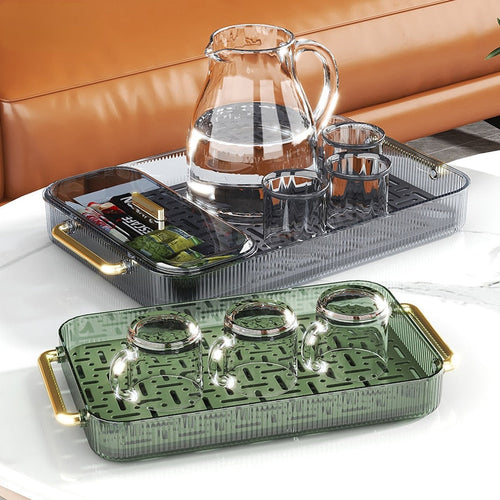
- **Dining & Serving:** Plates, bowls, glasses, mugs, serving platters, cutlery.
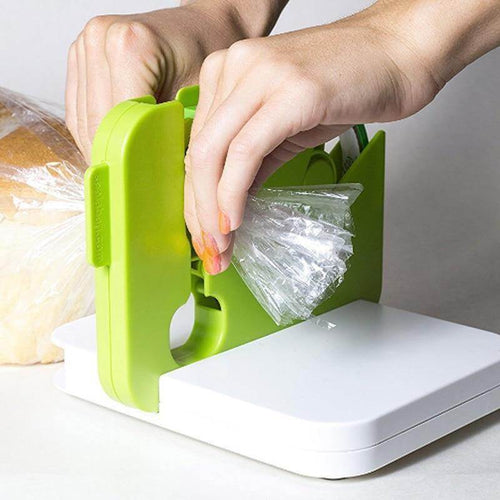
- **Food Storage:** Containers, wraps, bags.
- **Spices & Condiments:** Often grouped near the stove or a dedicated pantry area.
- **Small Appliances:** Toaster, blender, food processor, coffee maker.
- **Cleaning Supplies:** Dish soap, sponges, cleaning sprays.
Grouping items logically ensures that when you reach for one thing, its companions are right there, ready to be used.
Designing Zones: A Place for Everything
With your items sorted into categories, it’s time to assign them a permanent home within your kitchen. Creating specific “zones” makes your kitchen workflow incredibly efficient, reducing unnecessary movement and streamlining tasks.
Consider Your Workflow
Think about how you typically move through your kitchen when cooking, cleaning, or preparing meals. This flow will dictate the most logical placement for your zones.
Common Kitchen Zones:
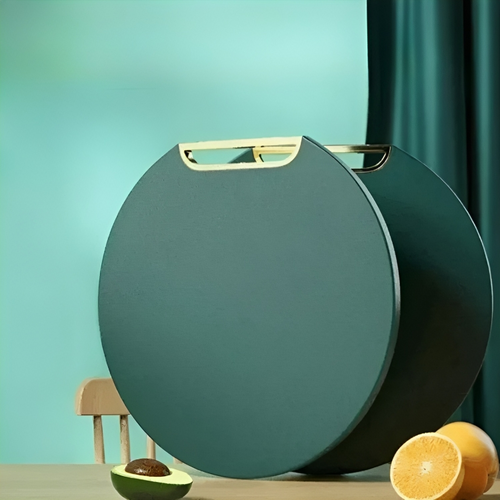
- **Prep Zone:** Near your main work surface, close to the sink. Store cutting boards, knives, mixing bowls, and frequently used utensils here.
- **Cooking Zone:** Directly next to or above your stove/oven. This is where pots, pans, cooking oils, spices, and cooking utensils belong.
- **Baking Zone:** If you bake frequently, dedicate a cabinet or drawer to baking sheets, measuring cups, flour, sugar, and baking tools. Ideally near a countertop for mixing.
- **Dish & Serving Zone:** Close to the dishwasher or sink for easy unloading. Store plates, bowls, glasses, and cutlery here.
- **Pantry Zone:** For non-perishable food items, snacks, and bulk goods. This could be a dedicated pantry cabinet or a series of cabinets.
- **Cleaning Zone:** Under the sink is a common spot for dish soap, sponges, and cleaning sprays.
By mapping out these zones, you ensure that tools and ingredients for a specific task are always within arm’s reach.
Maximizing Space: Vertical Solutions and Smart Storage
Once you have your zones defined, it’s time to put everything back in a way that maximizes every inch of your cabinet space. Vertical storage is key to making the most of tall cabinets, and smart solutions can transform even shallow drawers.
Utilize Vertical Cabinet Space
Many cabinets have ample vertical space that goes unused. Here’s how to tap into it:
- **Shelf Risers:** Add extra levels to store smaller plates, bowls, or mugs without stacking them precariously.
- **Stackable Bins/Containers:** Great for pantry items or food storage. Opt for clear ones so you can see the contents.
- **Pot and Pan Organizers:** These stand upright or horizontally, allowing you to store lids and pans without having to unstack a tower of cookware.
Drawer Dividers and Tray Organizers
Drawers can quickly become a catch-all. Dividers are essential for keeping cutlery, utensils, and gadgets neatly separated. Look for adjustable dividers that can be customized to your specific drawer size and contents.
Choosing the Right Organizers for Every Nook
The right tools make all the difference. Investing in smart organizers helps maintain order and makes your cabinets more functional. Select organizers that fit your cabinet dimensions and the items you’re storing.
- **Turntables (Lazy Susans):** Perfect for corner cabinets, spices, oils, or cleaning supplies under the sink. They bring items from the back right to the front.
-
 **Clear, Airtight Containers:** Ideal for dry goods like pasta, rice, flour, and cereal. They keep food fresh, prevent spills, and allow you to see exactly how much you have.
 - **Magazine Holders:** Repurpose these for storing cutting boards, baking sheets, or even aluminum foil boxes vertically.
- **Cabinet Door Organizers:** Add hooks or shallow racks to the inside of cabinet doors for measuring spoons, cleaning supplies, or even small spice jars.
- **Under-Shelf Baskets:** These slide onto existing shelves, creating extra storage space underneath for lighter items like dishtowels or plastic wraps.
Measure your cabinets and drawers before buying organizers to ensure a perfect fit and avoid unnecessary returns.
The Power of Labeling: Find What You Need Instantly
You’ve decluttered, grouped, zoned, and organized. Now, seal the deal with clear, consistent labeling. This step is often overlooked but is critical for maintaining your system, especially if multiple people use the kitchen.
- **Why Label?** It eliminates guesswork, helps family members put things back in the correct spot, and ensures you always know what’s in those opaque containers.
- **What to Label:** Labels aren’t just for food containers. Label shelves, bins, and even the inside of cabinet doors to designate zones.
- **Labeling Methods:** Use a label maker for a professional look, chalkboard labels for flexibility, or even simple masking tape and a marker. Choose a method that works for your aesthetic and lifestyle.
Remember to update labels as contents change or as you refine your system.
Maintaining Your Organized Kitchen
The work doesn’t stop once everything is perfectly placed. An organized kitchen requires ongoing maintenance, but with a good system in place, it becomes a simple habit rather than a daunting chore.
- **The “One In, One Out” Rule:** When you buy a new kitchen gadget or item, consider if there’s an old one you can donate or discard. This prevents clutter from building up again.
- **Regular Mini-Declutter:** Once a month or quarter, quickly scan your cabinets. Toss expired items, wipe down shelves, and straighten anything that’s fallen out of place.
- **Return Items Promptly:** After use, put items back in their designated spots immediately. This simple habit prevents piles from forming on countertops and keeps your cabinets tidy.
- **Adjust as Needed:** Your kitchen needs may change over time. Don’t be afraid to tweak your system if something isn’t working or if your family’s needs evolve.
Advanced Tips for Kitchen Cabinet Optimization
Beyond the basics, a few extra strategies can elevate your kitchen organization to an even higher level of functionality.
- **Prioritize Eye-Level Storage:** Place frequently used items at eye level for easy grabbing. Less common items can go on higher or lower shelves.
- **Store Heavy Items Low:** Pots, pans, and small appliances should always be stored in lower cabinets to prevent strain and ensure stability.
- **Utilize Cabinet Doors:** Attach hooks or shallow shelves to the inside of cabinet doors. This space is perfect for measuring cups, pot holders, or even a small cutting board.
- **Consider Pull-Out Shelves:** For deep lower cabinets, pull-out shelves or drawers are invaluable. They bring the back of the cabinet to you, making it easy to access items without kneeling or digging.
Key Takeaways
- A systematic approach, starting with decluttering, is essential for truly organized kitchen storage.
- Effective zoning and smart use of vertical space dramatically improve kitchen efficiency and accessibility.
- Consistent labeling and proactive maintenance are crucial for sustaining an orderly and functional cooking environment.
Frequently Asked Questions About Kitchen Cabinet Organization
Q: How often should I declutter my kitchen cabinets?
A: A thorough decluttering once or twice a year is a good habit. However, incorporating small “mini-declutters” monthly, like checking for expired items, can prevent overwhelming tasks later.
Q: What’s the best way to store pots and pans to save space?
A: Use a pot and pan organizer rack (either vertical or horizontal) to keep them separate and easily accessible. Stacking pots with felt protectors can also work, but avoid stacking heavy pans without protection to prevent scratches.
Q: My cabinets are very deep. How can I make items at the back accessible?
A: For deep cabinets, pull-out drawers or shelves are game-changers. Turntables (lazy Susans) also work wonders for corner cabinets or for items like oils and spices, bringing them to the front.
Q: Should I use matching containers for everything?
A: While matching containers create a uniform and aesthetically pleasing look, they aren’t strictly necessary for functionality. Focus on clear, airtight containers that fit your space and needs. Consistency in labeling is more important than identical containers.
Transform Your Kitchen Today
An organized kitchen is more than just visually appealing; it’s a foundation for a calmer, more efficient home life. By following these steps—from decluttering and zoning to smart storage and consistent maintenance—you can create a kitchen that truly works for you, making cooking and meal prep a joy instead of a chore. Take the first step today, and experience the profound difference an orderly kitchen can make.
For more ideas and fresh inspiration to enhance your living spaces, explore the curated Mavigadget Home & Garden collection.
Filed under
Written by
Kevin
Home & Kitchen, MaviGadget
Kevin writes for the MaviGadget Journal, testing the gadgets that promise to change your day and reporting honestly on the ones that actually do.