End Food Waste: Your Ultimate Guide to an Organized & Fresh Fridge
How to Keep Your Fridge Organized So Food Doesn’t Go Bad: A Simple Guide How to Keep Your Fridge Organized So Food Doesn’t Go Bad: Your Ultimate Guide Ever open your fridge only to find forgotten produce, mystery leftovers, or expiring dairy? You’re not alone! A messy refrigerator isn’t just an eyesore; it’s a major […]

How to Keep Your Fridge Organized So Food Doesn’t Go Bad: Your Ultimate Guide
Ever open your fridge only to find forgotten produce, mystery leftovers, or expiring dairy? You’re not alone! A messy refrigerator isn’t just an eyesore; it’s a major contributor to food waste and can even make your food less safe. Learning how to keep your fridge organized so food doesn’t go bad is simpler than you think and offers huge benefits: you’ll save money, reduce waste, and always know what’s for dinner.
This guide will walk you through a clear, actionable method to transform your fridge from chaos to a culinary command center. Say goodbye to expired food and hello to fresh, easily accessible ingredients!
Quick Summary: Key Steps to a Perfectly Organized Fridge
- Clear Out & Clean: Start fresh by removing everything and giving your fridge a good wipe down.
- Zone Your Food: Understand where different food types belong for optimal freshness and safety.
- Use Smart Storage: Employ containers, labels, and the “first in, first out” rule to maintain order.
Step-by-Step Guide: How to Keep Your Fridge Organized So Food Doesn’t Go Bad
Ready to tackle your fridge? Follow these steps for a system that keeps your food fresh and your kitchen running smoothly.
Step 1: The Big Clean Out
- Empty Everything: Take every single item out of your fridge. Place perishables in a cooler with ice if you expect this to take a while.
- Declutter and Discard: Go through each item. Toss anything expired, moldy, or that you know you won’t eat. Be ruthless! This is a crucial part of learning how to keep your fridge organized so food doesn’t go bad.
- Wipe it Down: With an empty fridge, use a mild cleaner (like warm soapy water or a vinegar solution) to wipe down all shelves, drawers, and interior surfaces. Don’t forget the door seals!
Step 2: Understand Fridge Zones for Optimal Storage
Different parts of your fridge have different temperatures. Knowing this helps you store food where it will last longest and stay safest.
- Top Shelf (Ready-to-Eat Zone): This shelf usually has a consistent, moderate temperature. It’s perfect for leftovers, deli meats, cooked foods, herbs, and ready-to-eat snacks like yogurt or hummus.
- Middle Shelves (Dairy & Eggs): Ideal for milk, cheese, eggs (if not in the door), and other dairy products. These shelves maintain a good cool temperature.
- Bottom Shelf (Raw Meat & Poultry Safety Zone): This is the coldest part of your fridge and the safest place for raw meats, poultry, and seafood. Always keep these items in sealed containers to prevent any drips from contaminating other foods below. This is key to preventing food from going bad and ensuring food safety.
-
Crisper Drawers (Produce Powerhouses):
- High-Humidity Drawer (Sealed, often with a “vegetable” setting): Best for leafy greens (lettuce, spinach), herbs, cucumbers, and fruits that lose moisture quickly. The higher humidity prevents them from wilting.
- Low-Humidity Drawer (Open vent, often with a “fruit” setting): Ideal for fruits and vegetables that produce ethylene gas (which speeds ripening) or prefer less moisture, like apples, pears, melons, peppers, and citrus fruits.
- Fridge Door (Condiment Corner): The door is the warmest part of your fridge because it’s opened frequently. It’s best for condiments (ketchup, mustard, jams, sauces), butter, and drinks that are less sensitive to temperature fluctuations. Avoid storing milk and eggs here for long-term freshness.
Step 3: Implement Smart Storage Solutions
Once you know where everything goes, smart storage tools can help you maintain order and make it easier to keep your fridge organized so food doesn’t go bad.
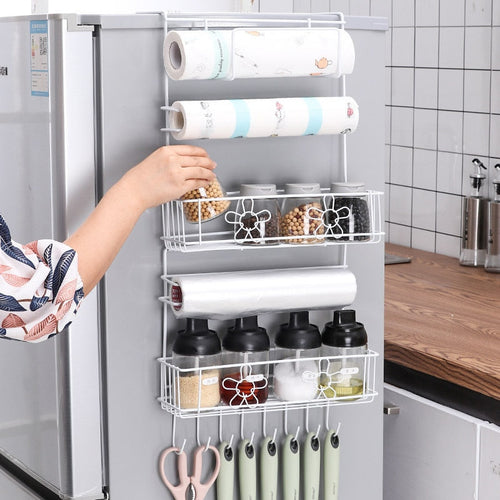
- Use Clear Containers: Invest in clear, airtight containers. They help you see what you have, stack neatly, and protect food from drying out.
- Label Everything with Dates: For leftovers and opened packages, use labels with the date you stored them. This helps you track freshness and practice “First In, First Out” (FIFO).
- Create an “Eat Me First” Bin: Dedicate a small bin for items nearing their expiration date or leftovers that need to be eaten soon. Place it front and center as a visual reminder.
- Group Similar Items: Keep all your breakfast items together, all your snacks in one bin, or all your condiments on one shelf. This makes finding things quicker and restocking easier.
- Don’t Overpack: A stuffed fridge reduces air circulation, making your fridge less efficient and harder to keep food cool evenly. Leave some space for air to move around.
Tips for Maintaining Fridge Organization and Freshness
- Set the Right Temperature: Your fridge should be set between 35°F (1.7°C) and 40°F (4.4°C). This range slows bacterial growth and keeps food safe.
- Cool Food Before Storing: Let hot leftovers cool down outside the fridge for a short time (no more than two hours) before putting them in. Placing hot food directly into the fridge can raise the internal temperature of the entire unit and put other foods at risk.
- Regular Mini Clean-ups: Don’t wait for a major overhaul. Quickly wipe up spills as they happen and do a quick “toss and tidy” once a week before grocery shopping.
- Plan Your Meals: Knowing what you’ll cook helps you buy only what you need, reducing excess food and making it easier to manage your fridge space.
Common Mistakes to Avoid When Organizing Your Fridge
- Overstuffing: As mentioned, too much food blocks airflow, leading to uneven cooling and potential spoilage.
- Ignoring Expiration Dates: A quick glance at dates is your first line of defense against food waste.
- Not Cleaning Spills Immediately: Spills can harbor bacteria and attract pests.
- Storing All Produce Together: Some fruits and vegetables release ethylene gas (e.g., apples, bananas) that can prematurely ripen or spoil others (e.g., broccoli, lettuce). Know which produce goes in which crisper drawer.
- Leaving Raw Meat Uncovered: This is a major food safety hazard. Always cover raw meat and store it on the bottom shelf to prevent cross-contamination.
Key Takeaways for an Organized, Fresh Fridge
Mastering how to keep your fridge organized so food doesn’t go bad is a game-changer for your kitchen and wallet. Remember these core principles:
- Clean and declutter regularly.
- Understand and utilize fridge zones.
- Use smart tools like clear containers and labels.
- Don’t overpack and ensure proper airflow.
- Always prioritize food safety with raw meats and temperature control.
Frequently Asked Questions
What is the easiest way to keep your fridge organized so food doesn’t go bad?
The easiest way is to start with a full clean-out and then implement a zone system: top shelf for ready-to-eat, middle for dairy, bottom for raw meats, and specific crisper drawers for produce. Regular quick clean-ups and using clear containers for leftovers also make a huge difference in maintaining organization and freshness.
How long does it take to organize a fridge effectively?
A thorough initial organization might take 30-60 minutes, especially if you’re cleaning everything out. However, once a system is in place, maintaining it with weekly 5-10 minute tidy-ups and proper food placement as you put away groceries will keep your fridge organized and efficient.
Can organizing my fridge really save me money?
Absolutely! When you know exactly what you have and where it is, you’re less likely to buy duplicates or let food spoil forgotten in the back. This direct reduction in food waste translates into significant savings on your grocery bill over time. Plus, an organized fridge often means healthier meal planning and less reliance on takeout.
Conclusion: Enjoy Your Organized, Efficient Fridge!
By following these steps, you’ll not only learn how to keep your fridge organized so food doesn’t go bad, but you’ll also create a more efficient, enjoyable kitchen environment. Less food waste, clearer meal planning, and a sparkling clean fridge – what’s not to love? Start today and experience the difference a well-organized refrigerator can make!
Looking for more inspiration? Explore the full Mavigadget Gift Ideas Collection for creative solutions.
Filed under
Written by
Kevin
Home & Kitchen, MaviGadget
Kevin writes for the MaviGadget Journal, testing the gadgets that promise to change your day and reporting honestly on the ones that actually do.