Your WFH Neck Pain Solution: A Step-by-Step Guide to Lasting Comfort
How to Reduce Neck Pain While Working From Home: Your Step-by-Step Guide How to Reduce Neck Pain While Working From Home: Your Step-by-Step Guide Working from home offers flexibility, but it can also bring new challenges, like the dreaded neck pain. Staring at screens for long hours, often in less-than-ideal setups, can lead to stiffness, […]

How to Reduce Neck Pain While Working From Home: Your Step-by-Step Guide
Working from home offers flexibility, but it can also bring new challenges, like the dreaded neck pain. Staring at screens for long hours, often in less-than-ideal setups, can lead to stiffness, soreness, and discomfort in your neck and shoulders. But the good news is, you don’t have to suffer in silence. This guide will walk you through simple, effective strategies on how to reduce neck pain while working from home, helping you create a more comfortable and pain-free workday.
Quick Summary: Beat Work-From-Home Neck Pain
- **Optimize Your Setup:** Adjust your monitor, chair, and keyboard for ideal ergonomic alignment.
- **Master Your Posture:** Consciously maintain good sitting or standing posture throughout the day.
- **Move and Stretch Regularly:** Incorporate short breaks and gentle exercises to release tension.
Step-by-Step Instructions to Reduce Neck Pain While Working From Home
Follow these actionable steps to significantly improve your comfort and learn how to reduce neck pain while working from home.
-
Set Up Your Workspace Ergonomically
A well-arranged workspace is your first line of defense against neck pain. Small adjustments can make a big difference.
- **Monitor Height:** Position your screen so the top of the monitor is at or slightly below eye level. This prevents you from craning your neck up or down. Your eyes should naturally gaze at the center of the screen without tilting your head.
- **Keyboard and Mouse:** Keep your keyboard close to your body, allowing your elbows to stay at a 90-degree angle or slightly more open. Your wrists should remain straight, not bent up or down. Place your mouse within easy reach to avoid overstretching.
- **Chair Support:** Ensure your chair provides good lumbar (lower back) support. Adjust the seat height so your feet are flat on the floor or a footrest, and your hips are slightly higher than your knees. The backrest should support the natural curve of your spine.
- **Lighting:** Good lighting reduces eye strain, which can indirectly contribute to neck tension. Position your screen to avoid glare.
-
Practice Excellent Posture
Even the best setup won’t help if your posture is poor. Regularly check in with your body to maintain a healthy alignment.
- **Head Alignment:** Imagine a string pulling gently from the crown of your head towards the ceiling. Keep your head balanced directly over your shoulders, avoiding the common “forward head posture” where your chin juts out towards the screen.
- **Shoulder Position:** Relax your shoulders down and back, away from your ears. Avoid hunching or letting them round forward.
- **Spine Alignment:** Sit tall, with your ears, shoulders, and hips generally in a straight line. Engage your core muscles gently to support your spine.
-
Take Frequent Movement Breaks
Sitting in one position for too long, even with perfect posture, can lead to stiffness. Regular breaks are crucial for preventing and reducing neck pain while working from home.
- **The 20-20-20 Rule:** Every 20 minutes, look at something 20 feet away for 20 seconds. This helps your eyes and prompts a small shift in position.
- **Stand Up and Walk Around:** Aim to stand up and move for at least 5-10 minutes every hour. Walk to get a glass of water, stretch your arms, or just walk in place.
- **Set Reminders:** Use a timer or an app to remind you to take these short breaks. It’s easy to get absorbed in work and forget.
-
Incorporate Gentle Stretches and Exercises
Simple stretches can release tension and improve flexibility in your neck and shoulders.
- **Chin Tucks:** Sit or stand tall. Gently pull your chin straight back, as if making a double chin, while keeping your head level. Hold for 5 seconds and release. Repeat 10 times.
- **Neck Tilts:** Gently lower your right ear towards your right shoulder until you feel a stretch on the left side of your neck. Hold for 15-20 seconds. Repeat on the other side.
- **Shoulder Rolls:** Roll your shoulders forward in a circular motion 5-10 times, then reverse and roll them backward 5-10 times. This helps release tension in the upper back and neck.
- **Doorway Stretch:** Stand in a doorway, place your forearms on the frame with elbows bent at 90 degrees. Gently lean forward until you feel a stretch across your chest and shoulders. This can counteract rounded shoulders.
-
Stay Hydrated and Nourished
While seemingly unrelated, good hydration and nutrition play a role in muscle health and recovery.
- **Drink Water:** Dehydration can contribute to muscle stiffness and cramps. Keep a water bottle handy and sip throughout the day.
- **Balanced Diet:** Ensure you’re getting enough nutrients, especially magnesium and potassium, which are important for muscle function.
-
Manage Stress Levels
Stress often manifests as tension in the neck and shoulders. Finding ways to relax can significantly help reduce neck pain while working from home.
- **Deep Breathing:** Take short breaks to practice deep, diaphragmatic breathing. Inhale slowly through your nose, feeling your belly rise, then exhale slowly through your mouth.
- **Mindfulness or Meditation:** Even a few minutes of mindfulness can help calm your nervous system and release physical tension.
- **Hobbies and Downtime:** Ensure you have activities outside of work that help you relax and de-stress.
Tips & Common Mistakes
Helpful Tips:
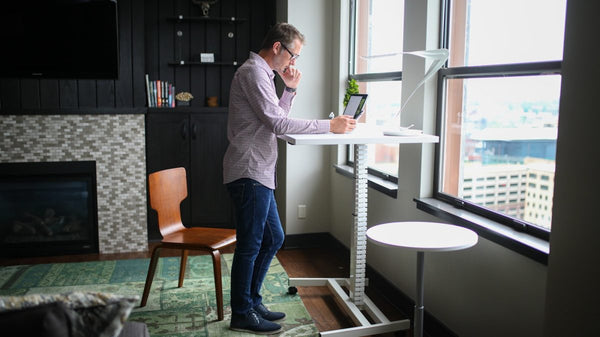
- **Invest Wisely:** If possible, invest in a good ergonomic chair or an adjustable standing desk. These can make a long-term difference.
- **Listen to Your Body:** Don’t push through pain. If a position or activity causes discomfort, stop and adjust.
- **Consider Professional Help:** If neck pain persists or worsens, consult a doctor, physical therapist, or chiropractor.
- **Pillow Check:** Ensure your sleeping pillow properly supports your neck and spine alignment, as poor sleep posture can contribute to daytime pain.
Common Mistakes to Avoid:
- **Craning Your Neck:** Leaning your head forward to look at a monitor that’s too low.
- **Slouching:** Letting your shoulders round and back slump, putting strain on your neck and upper back.
- **”Phone Neck”:** Bending your neck down for extended periods to look at your phone. Lift your phone to eye level instead.
- **Ignoring Early Signs:** Pushing through mild discomfort until it becomes severe pain. Address it early!
- **Sitting Too Long:** Failing to take regular breaks, even if your setup is perfect. Movement is key.
Key Takeaways for Reducing Neck Pain While Working From Home
- Your workspace ergonomics are fundamental.
- Conscious, good posture is essential.
- Frequent movement and stretching prevent stiffness.
- Holistic health, including hydration and stress management, plays a role.
- Don’t ignore persistent pain; seek professional advice if needed.
Frequently Asked Questions
What is the easiest way to reduce neck pain while working from home?
The easiest and most immediate step is often adjusting your monitor height. Ensure the top of your screen is at or slightly below eye level. This simple change can prevent you from craning your neck and significantly reduce strain almost instantly.
How long does it take to reduce neck pain while working from home?
The time it takes to reduce neck pain can vary. For mild pain caused by poor posture, you might feel relief within a few days of implementing ergonomic changes and regular breaks. More chronic or severe pain could take weeks or even months to improve with consistent effort and potentially professional guidance. Consistency is key to long-term relief.
What is the best desk setup to avoid neck pain?
The best desk setup involves a comfortable, supportive chair with lumbar support, a monitor positioned at eye level, and your keyboard and mouse within easy reach with elbows at a 90-degree angle. Your feet should be flat on the floor or a footrest. Ideally, an adjustable standing desk offers the flexibility to alternate between sitting and standing, which can be highly beneficial.
Are there specific exercises to reduce neck pain?
Yes, simple exercises like chin tucks, gentle neck tilts (ear-to-shoulder), and shoulder rolls are excellent for releasing tension and improving neck mobility. Incorporating these for a few minutes every hour or two can be very effective in reducing and preventing neck pain while working from home.
Conclusion
Managing and reducing neck pain while working from home is an ongoing process, but it’s entirely within your control. By making thoughtful adjustments to your workspace, paying attention to your posture, and incorporating regular movement and stretches, you can transform your workday from one of discomfort to one of productivity and ease. Start with a few steps today, listen to your body, and enjoy the benefits of a pain-free home office setup.
Looking for more inspiration? Explore the full Mavigadget Gift Ideas Collection for creative solutions.
Filed under
Written by
Kevin
Health & Fitness, MaviGadget
Kevin writes for the MaviGadget Journal, testing the gadgets that promise to change your day and reporting honestly on the ones that actually do.