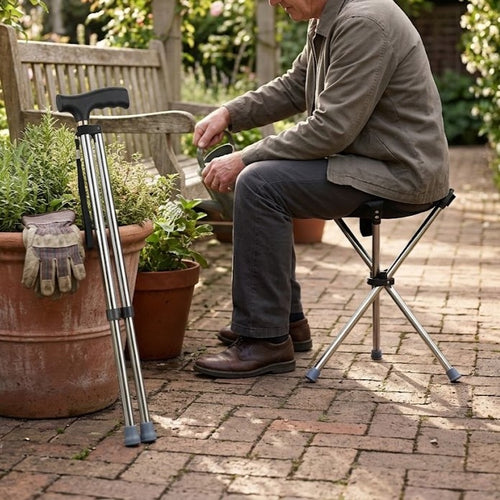
Urban Forest Bathing: Your Essential Guide to City Calm
Finding Calm in the City: Your Guide to Urban Forest Bathing Finding Calm in the City: Your Guide to Urban Forest Bathing Life in the city often moves at a relentless pace. Between towering buildings, bustling streets, and constant digital noise, it can feel challenging to find moments of peace. Yet, even in the heart […]

Finding Calm in the City: Your Guide to Urban Forest Bathing
Life in the city often moves at a relentless pace. Between towering buildings, bustling streets, and constant digital noise, it can feel challenging to find moments of peace. Yet, even in the heart of urban landscapes, pockets of nature offer a profound remedy for modern stress: the practice of forest bathing, or Shinrin-Yoku.
Originating in Japan in the 1980s, forest bathing is more than just a walk in the woods; it’s about mindfully immersing your senses in the atmosphere of nature. It’s an invitation to slow down, breathe deeply, and connect with the natural world around you. While the traditional image might be a dense, quiet forest, the beauty of this practice is its adaptability. You don’t need to travel far to experience its benefits. Urban forest bathing brings this restorative practice to your local park, community garden, or even a tree-lined street.
This guide will show you how to embrace forest bathing right where you are, transforming everyday green spaces into your personal sanctuaries for peace and well-being. It’s a simple, accessible way to soothe your mind, re-energize your spirit, and rediscover a sense of calm amidst the urban buzz.
Why Practice Forest Bathing in Urban Green Spaces?
You might wonder if forest bathing can truly work when surrounded by city sounds and structures. The answer is a resounding yes! Urban forest bathing offers a unique set of benefits, making it an incredibly valuable practice for city dwellers:
- Accessibility: Not everyone has easy access to vast, untouched forests. Urban parks, community gardens, and even small collections of trees are readily available, making regular practice feasible.
- Stress Reduction: Cities can be high-stress environments. Connecting with urban nature, even for short periods, has been shown to lower cortisol levels (the stress hormone), reduce anxiety, and promote feelings of relaxation.
- Mental Clarity: Stepping away from screens and engaging with natural elements can clear your mind, improve focus, and boost creativity. It’s a natural antidote to mental fatigue.
- Improved Mood: Spending time outdoors, surrounded by greenery, can elevate your mood, reduce feelings of sadness, and foster a more positive outlook.
- Physical Well-being: Beyond mental health, nature exposure has been linked to lower blood pressure, improved immune function, and better sleep quality.
- Deepened Connection: It helps you appreciate the resilience and beauty of nature existing alongside human development, fostering a deeper bond with your local environment.
Embracing urban forest bathing isn’t about escaping the city; it’s about integrating moments of natural calm into your urban life.
Finding Your Urban Nature Oasis
The first step to urban forest bathing is identifying a suitable spot. You don’t need a sprawling wilderness; a small patch of green can be enough. Look for:
- Local Parks: Even small neighborhood parks often have mature trees, grassy areas, or quiet benches.
- Community Gardens: These vibrant spaces offer a rich tapestry of plants and a sense of peaceful community. Always be respectful of gardeners and their spaces.
- Tree-Lined Streets: A street with significant tree cover can provide a surprisingly effective setting, especially if you can find a quieter section.
- Botanical Gardens: These are specifically designed for appreciating plants and often offer diverse environments perfect for sensory exploration.
- Cemeteries: Many older cemeteries are beautifully landscaped with mature trees and quiet paths, offering a surprisingly serene environment.
- Your Own Backyard or Balcony: Even a few potted plants can be a starting point if getting out isn’t an option.
The key is to find a place where you feel relatively safe and where you can minimize distractions. It doesn’t have to be perfectly silent or untouched; the practice is about working with the nature that’s available.
How to Practice Urban Forest Bathing: A Step-by-Step Guide
Forest bathing is not about hiking or physical exercise. It’s about presence and sensory engagement. There’s no right or wrong way, but these steps can guide your experience:
1. Set Your Intention and Leave Distractions Behind
Before you even step into your chosen green space, take a moment. What do you hope to gain from this experience? Is it peace, clarity, energy? Leave your phone on silent (or, even better, at home), put away your to-do list, and let go of expectations. This time is for you and for nature.
2. Slow Down and Open Your Senses
As you enter your urban nature oasis, consciously slow your pace. Walk as if you have nowhere to go and all the time in the world. This is the core of forest bathing. Begin to intentionally engage each of your senses:
- Sight: Notice the subtle variations in green hues on leaves, the intricate patterns of tree bark, the way sunlight filters through the canopy. Observe birds flitting by, or the delicate petals of a city flower.
- Sound: Listen beyond the city’s general hum. Can you hear leaves rustling, birds chirping, or insects buzzing? Perhaps the distant laughter of children in a playground, or the gentle gurgle of a nearby fountain. Acknowledge the urban sounds without letting them dominate your awareness; let them be part of the natural soundscape.
- Smell: Inhale deeply. Can you catch the scent of damp earth after a rain, the fresh smell of grass, the faint fragrance of blossoming flowers, or the unique aroma of particular trees?
- Touch: Gently touch a tree trunk, feel the texture of a leaf, run your fingers through soft grass, or notice the breeze on your skin. Feel the ground beneath your feet.
- Taste: While not always practical in an urban setting, you might bring a small bottle of water to sip mindfully, noticing its refreshing quality. Or, if safe and identifiable, perhaps a berry from a park tree (though this is generally advised against unless you are absolutely certain of its edibility and cleanliness). Focus more on the taste of the fresh air.
3. Engage in Mindful Walking
Walk slowly, deliberately. Pay attention to the sensation of your feet on the path. Notice the rhythm of your breath. There’s no destination, just the journey through the green space. Allow your curiosity to guide you. If something catches your eye, pause and explore it fully with your senses.
4. Connect with Trees and Plants
Trees are central to forest bathing. Find a tree that calls to you. You might stand beside it, gently touch its bark, or even lean against its trunk. Imagine its roots reaching deep into the earth, and its branches stretching towards the sky. Feel its sturdy presence. Reflect on its resilience and history in the urban environment.
5. Find a Spot for Quiet Contemplation
Look for a bench, a patch of grass, or a comfortable spot where you can sit quietly. Close your eyes for a few moments, or let your gaze soften. Simply be. Notice the world unfolding around you without judgment. Allow thoughts to come and go like clouds, returning your attention to your breath or the sensory details of the environment.
6. Express Gratitude
As your urban forest bathing session draws to a close, take a moment to acknowledge and appreciate the nature around you. Offer a quiet thank you to the trees, the plants, the air, and the space that offered you solace. This act of gratitude deepens your connection and reinforces the positive impact of the experience.
Tips for a Fulfilling Urban Forest Bathing Experience
- Time is Flexible: Even 15-20 minutes can make a difference. Aim for consistency rather than long durations initially.
- Dress Comfortably: Wear comfortable shoes and clothing appropriate for the weather.
- Safety First: Choose well-lit, familiar areas, especially if practicing alone. Be aware of your surroundings.
- Expect Imperfection: Urban nature is rarely pristine. Acknowledge city sounds and human activity without letting them deter you. They are part of the urban nature experience.
- Be Respectful: Leave no trace. Be mindful of plants, animals, and other people in the space.
- Make it a Habit: Regular engagement with urban nature amplifies the benefits. Try to integrate short forest bathing sessions into your weekly routine.
- Bring a Journal: Some people find it helpful to jot down thoughts, observations, or feelings after their session.
Embrace Your Urban Nature Connection
In a world that often feels disconnected from the natural rhythms of life, urban forest bathing offers a vital bridge back to ourselves and the planet. It’s a simple, yet powerful, practice that reminds us that even in the busiest of cities, nature is always within reach.
By consciously slowing down and opening your senses to the green spaces around you, you’re not just taking a break; you’re investing in your mental clarity, emotional balance, and physical well-being. So, the next time you feel the weight of city life, remember that a peaceful urban oasis, and a profound connection with nature, is often just a short walk away. Give yourself the gift of presence, and let the quiet strength of urban nature refresh your spirit.
Filed under
Written by
Cloe
Health & Fitness, MaviGadget
Cloe writes for the MaviGadget Journal, testing the gadgets that promise to change your day and reporting honestly on the ones that actually do.