Stop the Ache: Your Complete Guide to Preventing Back Pain from Sitting All Day
How to Prevent Your Back From Hurting If You Sit All Day: Your Complete Guide Stop Back Pain: Your Guide to Preventing Back Aches When You Sit All Day Do you spend most of your day seated, perhaps at a desk, in meetings, or commuting? If so, you’re not alone. Many people experience back pain […]

Stop Back Pain: Your Guide to Preventing Back Aches When You Sit All Day
Do you spend most of your day seated, perhaps at a desk, in meetings, or commuting? If so, you’re not alone. Many people experience back pain directly related to prolonged sitting. That nagging ache, stiffness, or sharp discomfort in your back doesn’t have to be a daily struggle. This guide will show you exactly how to prevent your back from hurting if you sit all day, transforming your comfort and well-being.
Quick Summary: Your Path to a Pain-Free Back
- **Optimize Your Workspace:** Adjust your chair and monitor for proper ergonomic support.
- **Master Your Posture:** Learn how to sit correctly to reduce strain on your spine.
- **Move Frequently:** Break up long periods of sitting with simple stretches and short walks.
Step-by-Step Instructions: How to Prevent Your Back From Hurting If You Sit All Day
Preventing back pain from prolonged sitting is achievable with a few consistent adjustments. Follow these steps to create a more comfortable and pain-free routine.
-
Set Up Your Workspace for Success (Ergonomics)
Your environment plays a huge role in preventing back pain. A properly adjusted workspace supports your body and reduces strain.
- **Adjust Your Chair:** Your office chair is your most important tool.
- **Height:** Adjust it so your feet are flat on the floor, or comfortably on a footrest, with your knees at about a 90-degree angle. Your hips should be slightly higher than your knees.
- **Lumbar Support:** Ensure your chair has good lower back support, or use a cushion to support the natural curve of your lower back. This helps maintain the spine’s natural S-shape.
- **Armrests:** Adjust armrests so your shoulders are relaxed, and your elbows are bent at roughly a 90-degree angle, close to your body.
- **Position Your Monitor:** The top of your screen should be at or slightly below eye level. This prevents you from craning your neck up or down, which can strain your neck and upper back.
- **Keyboard and Mouse Placement:** Keep your keyboard and mouse close to your body to avoid overreaching. Your wrists should stay straight and flat, not bent up or down.
- **Adjust Your Chair:** Your office chair is your most important tool.
-
Master Your Sitting Posture
Even with the best ergonomic setup, poor posture can cause back pain. Developing good sitting habits is key to how to prevent your back from hurting if you sit all day.
- **Sit Tall:** Imagine a string pulling gently from the top of your head, lengthening your spine. Your head should be balanced directly over your shoulders.
- **Shoulders Relaxed:** Let your shoulders drop down and back, away from your ears. Avoid hunching forward.
- **Engage Your Core:** Gently pull your belly button towards your spine. This slight engagement of your abdominal muscles helps support your lower back.
- **Avoid Slouching:** Be mindful of leaning forward or slumping in your chair. If you catch yourself slouching, gently readjust.
-
Move More, Sit Less (Take Regular Breaks)
The single most effective way to prevent back pain from sitting is to not sit continuously. Movement helps circulate blood, lubricate your joints, and relieve pressure on your spine.
- **Short, Frequent Breaks:** Aim to stand up and move every 30-60 minutes. Even just standing for a minute or two makes a difference.
- **Walk Around:** Take a short walk to the water cooler, bathroom, or just around your office.
- **Stretch at Your Desk:** Perform simple stretches (detailed below) that don’t require leaving your workspace.
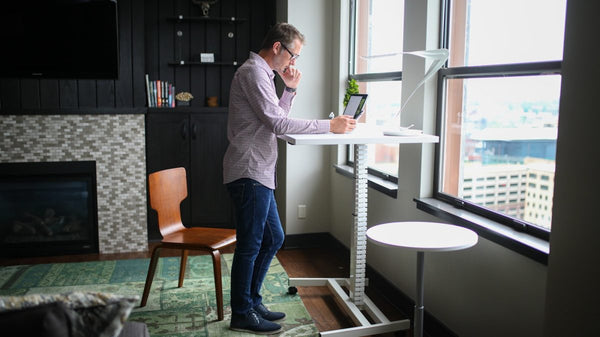
- **Consider a Standing Desk:** If possible, a standing desk allows you to alternate between sitting and standing, significantly reducing sedentary time.
-
Incorporate Simple Stretches Throughout Your Day
Stretching helps improve flexibility, relieve muscle tension, and combat the stiffness that comes from prolonged sitting. These simple movements can be done at your desk.
- **Neck Tilts:** Gently tilt your head to one side, bringing your ear towards your shoulder. Hold for 15-20 seconds, then repeat on the other side.
- **Shoulder Rolls:** Roll your shoulders forward several times, then backward several times.
- **Chest Opener:** Interlace your fingers behind your back (or grab opposite elbows). Gently open your chest and squeeze your shoulder blades together.
- **Gentle Back Twist:** While seated, gently twist your upper body to one side, using the back of your chair for support. Hold, then repeat on the other side.
- **Hamstring Stretch:** While standing, place one heel on a slightly elevated surface (like a footrest or low chair). Keep your leg straight and gently lean forward from your hips until you feel a stretch in your hamstring.
- **Hip Flexor Stretch:** Kneel on one knee, with the other foot flat on the floor in front of you. Gently lean forward to stretch the front of your hip on the kneeling side.
-
Strengthen Your Core Muscles
A strong core acts like a natural corset for your spine, providing crucial support and stability. Weak core muscles often contribute to lower back pain.
- **Pelvic Tilts:** Lie on your back with knees bent, feet flat. Gently flatten your lower back against the floor by tightening your abdominal muscles. Hold for a few seconds, then release.
- **Plank:** A plank strengthens your entire core. Start by holding for short durations (15-30 seconds) and gradually increase as you get stronger.
- **Cat-Cow Stretch:** On your hands and knees, arch your back like a cat, then drop your belly towards the floor, lifting your head and tailbone. This gently mobilizes the spine.
Even incorporating short core exercises a few times a week can make a big difference in how to prevent your back from hurting if you sit all day.
Tips & Common Mistakes to Avoid
Helpful Tips:
- **Listen to Your Body:** If you feel discomfort, adjust your position, take a break, or stretch. Don’t push through pain.
- **Stay Hydrated:** Water is essential for overall body health, including the discs in your spine.
- **Be Consistent:** Small, consistent changes over time yield the best results. Don’t expect instant miracles, but stick with it.
- **Consider Professional Advice:** If pain persists or worsens, consult a doctor, physical therapist, or chiropractor.
Common Mistakes:
- **Ignoring Early Discomfort:** A little stiffness can turn into chronic pain if not addressed.
- **Using a Poorly Adjusted Chair:** Even an expensive ergonomic chair won’t help if it’s not set up correctly for your body.
- **Hunching Over Your Screen:** This puts immense pressure on your neck and upper back.
- **Crossing Your Legs for Long Periods:** This can create muscular imbalances and strain your hips and lower back.
- **Not Taking Breaks:** The biggest mistake is thinking you can sit for hours without consequences.
Key Takeaways for a Pain-Free Back
- Prioritize ergonomic setup for your chair, monitor, and input devices.
- Maintain good posture by sitting tall and engaging your core.
- Regularly move and stretch, aiming for breaks every 30-60 minutes.
- Strengthen your core muscles to provide natural spinal support.
- Be mindful of your body’s signals and address discomfort early.
Frequently Asked Questions
What is the easiest way to How to Prevent Your Back From Hurting If You Sit All Day?
The easiest and most impactful way is to combine two things: first, ensure your chair and monitor are properly adjusted to support your natural posture, and second, take frequent, short breaks to stand up, walk, and stretch every 30-60 minutes. Consistent movement is critical.
How long does it take to How to Prevent Your Back From Hurting If You Sit All Day?
You can start feeling relief and improvement in a few days to a few weeks, depending on the severity of your current back pain and how consistently you apply these changes. Core strengthening might take longer to show significant results (several weeks to a few months), but improved posture and regular movement offer immediate benefits.
Are standing desks essential to How to Prevent Your Back From Hurting If You Sit All Day?
While standing desks are a fantastic tool to reduce prolonged sitting and can be very beneficial, they are not essential. You can effectively prevent back pain by diligently applying the ergonomic adjustments, posture techniques, and regular movement breaks outlined in this guide, even with a traditional sitting desk.
Conclusion: Take Control of Your Comfort
You don’t have to live with a hurting back just because your job requires you to sit all day. By making conscious efforts to adjust your workspace, improve your posture, incorporate movement, and strengthen your core, you can significantly reduce or eliminate back pain. Start with one or two changes today, and gradually build a routine that supports a healthy, pain-free back. Your body will thank you!
Looking for more inspiration? Explore the full Mavigadget Gift Ideas Collection for creative solutions.
Filed under
Written by
Cloe
Health & Fitness, MaviGadget
Cloe writes for the MaviGadget Journal, testing the gadgets that promise to change your day and reporting honestly on the ones that actually do.