Stand Taller, No Sweat: Improve Your Posture with Simple Daily Habits (No Exercise Required!)
How to Improve Your Posture Without Exercise: Your Simple Guide to Better Alignment How to Improve Your Posture Without Exercise: Your Simple Guide to Better Alignment Do you often find yourself slouching, experiencing neck stiffness, or feeling a persistent ache in your back? You’re not alone. Many people struggle with poor posture, but the good […]

How to Improve Your Posture Without Exercise: Your Simple Guide to Better Alignment
Do you often find yourself slouching, experiencing neck stiffness, or feeling a persistent ache in your back? You’re not alone. Many people struggle with poor posture, but the good news is you don’t need a gym membership or strenuous workouts to fix it. This guide will show you exactly how to improve your posture without exercise, using simple adjustments in your everyday life.
Good posture isn’t just about looking confident; it’s vital for your overall health. It helps reduce back pain, prevents injuries, boosts your energy levels, and even improves your breathing. By making a few mindful changes, you can start standing taller and feeling better almost immediately.
Quick Summary: Your Path to Better Posture
Ready to discover how to improve your posture without exercise? Here’s a quick overview of what you’ll learn:
- **Master Your Daily Positions:** Simple tweaks for how you sit, stand, and sleep can make a huge difference.
- **Cultivate Awareness:** Become more mindful of your body’s alignment throughout the day.
- **Integrate Gentle Habits:** Incorporate easy practices into your routine that support good posture without breaking a sweat.
Step-by-Step Instructions: How to Improve Your Posture Without Exercise
Let’s dive into the practical steps you can take today to achieve a more aligned and comfortable posture. These aren’t exercises, but rather conscious adjustments to your daily habits.
1. Optimize Your Sitting Posture
Given how much time many of us spend sitting, this is a critical starting point. Improving your posture while seated is one of the most effective ways to feel better quickly.
- Feet Flat on the Floor: Ensure your feet are completely flat on the ground. If they don’t reach, use a footrest. This helps stabilize your lower body.
- Knees at a 90-Degree Angle: Your knees should be roughly level with your hips, forming a right angle. Adjust your chair height or use a cushion if needed.
- Support Your Lower Back: Use a lumbar support pillow or a rolled-up towel to maintain the natural curve of your lower spine. Your back should be flush against the chair.
- Shoulders Relaxed and Back: Avoid hunching forward. Gently pull your shoulders back and down, keeping them relaxed.
- Screen at Eye Level: Position your computer monitor so the top of the screen is at or slightly below eye level. This prevents you from craning your neck forward.
- Forearms Parallel to the Floor: Your elbows should be at your sides, and your forearms should form a 90-degree angle to your upper arms, resting comfortably on your desk or armrests.
2. Refine Your Standing Posture
When you’re on your feet, being mindful of your alignment can prevent strain and improve your overall presence.
- Distribute Weight Evenly: Don’t favor one hip. Stand with your feet hip-width apart, distributing your weight equally on both feet.
- Shoulders Back and Down: Gently roll your shoulders back and down, away from your ears. Imagine a string pulling the crown of your head upwards.
- Core Gently Engaged: Lightly pull your navel towards your spine. This isn’t about sucking in your stomach, but rather engaging your core muscles to support your spine.
- Head Level and Forward: Your ears should be aligned directly over your shoulders. Avoid letting your head jut forward. Your chin should be parallel to the floor.
- Soft Knees: Don’t lock your knees. Keep a slight bend in them to avoid putting excessive pressure on your joints.
3. Optimize Your Sleeping Posture
You spend a significant portion of your life sleeping, and your sleep position plays a huge role in your posture. Here’s how to improve your posture without exercise during the night.
- Choose a Supportive Mattress: Your mattress should support the natural curves of your spine. If it’s too soft or too firm, it can throw your alignment off.
-
Select the Right Pillow: Your pillow should keep your head and neck aligned with the rest of your spine.
- **Side Sleepers:** Use a thicker pillow to fill the gap between your head and shoulder. You might also place a pillow between your knees to align your hips.
- **Back Sleepers:** A thinner pillow is best to maintain the natural curve of your neck. A pillow under your knees can also help reduce lower back strain.
- **Stomach Sleepers:** This position is generally not recommended as it strains your neck. If you must sleep on your stomach, use a very flat pillow or no pillow for your head, and a pillow under your pelvis to reduce back arching.
- Prioritize Back or Side Sleeping: These positions generally offer better spinal alignment compared to stomach sleeping.
4. Improve Your Walking Posture
How you move can also impact your overall alignment. Make these subtle changes to your gait.
- Head Up, Gaze Forward: Look straight ahead, not down at your feet or phone. Keep your chin parallel to the ground.
- Shoulders Back and Relaxed: Avoid hunching. Let your arms swing naturally at your sides.
- Engage Your Core Gently: Just like standing, a light engagement of your abdominal muscles supports your spine as you walk.
- Roll Through Your Feet: Walk by pushing off with your toes, rather than stomping. Imagine rolling from your heel to your toe with each step.
5. Integrate Daily Awareness and Habits
Consistency is key when learning how to improve your posture without exercise. These daily habits will solidify your progress.
- Set Reminders: Use an alarm or a sticky note to prompt yourself to check your posture every hour, especially when working at a desk.
- Take Regular Breaks: If you sit for long periods, get up and move around every 30-60 minutes. Even a short walk to grab water can reset your posture.
- Gentle Stretching: Incorporate light, simple stretches throughout your day. Think shoulder rolls, neck turns, or gentle chest openers. These are not intense exercises but simple movements to release tension and maintain flexibility.
- Mirror Check: Periodically check your posture in a mirror to become more aware of your natural alignment.
Tips for Better Posture & Common Mistakes to Avoid
Helpful Tips:
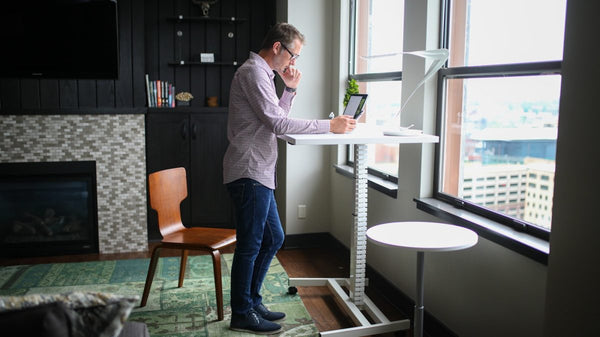
- Ergonomics Matter: Invest in an ergonomic chair or standing desk if possible. Simple tools can make a big difference.
- Listen to Your Body: If a position feels uncomfortable or causes pain, adjust it. Your body will tell you what works.
- Hydration and Nutrition: A healthy body, supported by good hydration and nutrient-rich food, is better able to maintain good posture.
Common Posture Mistakes to Avoid:
- “Tech Neck”: Constantly looking down at your phone puts immense strain on your neck and upper back. Hold your phone closer to eye level.
- Slouching in Chairs: Avoid letting your back round and your shoulders slump forward when sitting.
- Crossing Your Legs: While comfortable for some, crossing your legs can throw off your hip and spinal alignment over time.
- Wearing Unsupportive Shoes: High heels or completely flat, unsupportive shoes can alter your natural gait and spinal alignment. Choose supportive footwear.
Key Takeaways for Improving Your Posture Without Exercise
Improving your posture is an ongoing journey that doesn’t require a gym. Remember these core principles:
- Conscious effort in sitting, standing, and sleeping positions is paramount.
- Daily awareness and gentle stretches can reinforce good habits.
- Small, consistent adjustments lead to significant, long-term improvements in how to improve your posture without exercise.
Frequently Asked Questions
What is the easiest way to improve your posture without exercise?
The easiest way to improve your posture without exercise is to become more aware of your body’s alignment throughout the day. Start by making small, conscious adjustments to how you sit, stand, and sleep. For example, ensuring your feet are flat on the floor when sitting, or gently pulling your shoulders back when standing, are simple yet powerful steps.
How long does it take to improve your posture without exercise?
You can start feeling the benefits of better posture almost immediately with conscious effort. However, significant and lasting improvement typically takes a few weeks to a few months. Consistency is key; the more regularly you practice these non-exercise habits, the faster your body will adapt to its new, healthier alignment.
Can simply being aware of my posture make a difference?
Absolutely! Awareness is the foundation of how to improve your posture without exercise. By simply noticing when you’re slouching or holding tension, you empower yourself to make corrective adjustments. Setting regular reminders to check your posture throughout the day can significantly impact your spinal health and overall alignment over time.
Conclusion: Stand Tall, Feel Great
Learning how to improve your posture without exercise is not about quick fixes, but about building sustainable, healthy habits. By consistently applying these simple yet powerful adjustments to your daily life – from how you sit at your desk to how you sleep at night – you’ll notice a remarkable difference in your comfort, energy, and overall well-being. Start today, and take the first step towards a stronger, more aligned you.
Looking for more inspiration? Explore the full Mavigadget Gift Ideas Collection for creative solutions.
Filed under
Written by
Cloe
Health & Fitness, MaviGadget
Cloe writes for the MaviGadget Journal, testing the gadgets that promise to change your day and reporting honestly on the ones that actually do.