Health & Fitness
Free Exercise Programs for Seniors: Your Guide to Staying Active
Seniors can access numerous free exercise programs designed to improve strength, balance, and flexibility, many of which are available online or through local community initiatives. These programs cater to various fitness levels, ensuring safe and effective ways to stay active.
Yes, there are many free exercise programs available for seniors, offering accessible ways to maintain physical health and well-being. These programs range from online video tutorials to local community classes, focusing on improving strength, flexibility, and balance.
Key takeaways:
- YouTube hosts hundreds of free senior-specific workout videos, often requiring no equipment.
- Local senior centers and YMCAs frequently offer free or low-cost classes like chair yoga or tai chi.
- Government and non-profit organizations provide resources and programs aimed at senior fitness.
- Many programs emphasize balance training, which is crucial for fall prevention in older adults.
Where can seniors find free exercise programs?
Seniors can find free exercise programs through several channels, primarily online platforms and local community resources. The key is knowing where to look and what type of program suits your needs. Many options require no special equipment, making them easy to start right away.
What are the best online sources for free senior exercise?
Online platforms, especially YouTube, are excellent sources for free senior exercise programs. You can find countless videos specifically designed for older adults, often led by certified instructors. These range from gentle chair exercises to more active routines.
Popular YouTube channels for senior fitness include:
- Pahla B Fitness: Offers a wide variety of low-impact workouts, many suitable for beginners and seniors. Some videos are specifically titled for seniors.
- Senior Fitness with Meredith: Focuses on strength, balance, and flexibility with clear instructions and modifications. Many routines can be done seated.
- HASfit: Features full-length workout videos, including several tailored for seniors or those with limited mobility. They often provide printable workout plans.
- PopSugar Fitness: While not exclusively senior-focused, they have a good selection of low-impact cardio, yoga, and stretching videos that can be adapted.
When choosing online videos, look for instructors who provide clear modifications and encourage listening to your body. Always prioritize safety over intensity. A good video will often have tens of thousands, if not millions, of views, indicating popularity and usefulness.
Are there free in-person exercise classes for seniors?
Yes, many communities offer free or very low-cost in-person exercise classes for seniors. These are great for social interaction and direct guidance from an instructor.
Common places to find these classes include:
- Senior Centers: Most local senior centers have a schedule of free or affordable fitness classes, like chair yoga, tai chi, or walking clubs. Check their monthly calendars.
- YMCA/YWCA: While some programs require membership, many YMCAs offer community outreach programs or specific senior classes that are free or heavily subsidized. In some areas, they might have "Silver Sneakers" programs (though Silver Sneakers itself often requires specific insurance plans).
- Public Libraries: Some libraries host free wellness workshops or gentle exercise sessions for older adults.
- Parks and Recreation Departments: Local government often sponsors free outdoor exercise groups or tai chi in parks, especially during warmer months.
- Hospitals and Healthcare Systems: Some hospitals offer free health and wellness classes as part of their community initiatives, occasionally including exercise for seniors.
To find these, a quick search for "free senior exercise classes [your city/town]" or a call to your local senior center's front desk is usually the best approach.
What types of exercises are typically included in free senior programs?
Free senior exercise programs typically focus on four key areas: cardiovascular endurance, strength, flexibility, and balance. These are crucial for maintaining independence and preventing falls.
- Cardio: Low-impact activities like brisk walking, marching in place, or seated cardio routines. The goal is to elevate heart rate safely.
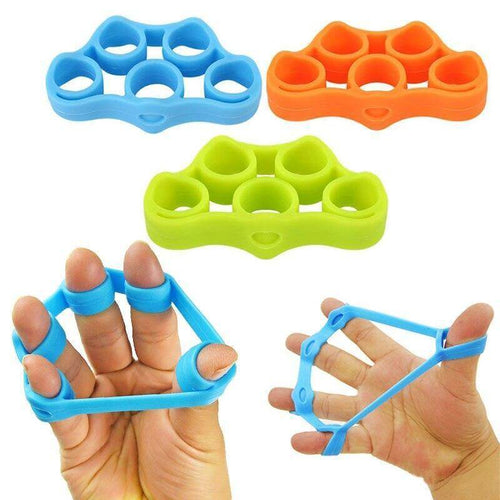
- Strength: Often uses bodyweight, resistance bands, or light weights (even household items like water bottles). Exercises target major muscle groups, for instance, bicep curls, squats to a chair, or wall push-ups.
- Flexibility: Gentle stretches for all major joints, improving range of motion. Yoga and tai chi are excellent for this.
- Balance: Exercises like standing on one foot (with support), heel-to-toe walking, or shifting weight. Many programs incorporate balance into other movements.
A good program will usually combine elements from all these categories, often in a 20 to 45 minute session.
What equipment do I need for free senior exercise?
Most free senior exercise programs require minimal to no equipment. This is part of their accessibility.
Here's what you might need:
- Sturdy Chair: Essential for seated exercises and for support during balance work.
- Comfortable Shoes: Supportive footwear is important for standing exercises and walking.
- Water Bottle: Staying hydrated is always key.
- Light Hand Weights (Optional): If you don't have dumbbells, household items like cans of soup, full water bottles, or even small books can work.
- Resistance Bands (Optional): These are inexpensive and add challenge to strength exercises. You can often find a set for under $15 online.
The honest drawback is that without an instructor present, you need to be extra mindful of your form to prevent injury. Start slow and always listen to your body.
How do I choose the right free program for me?
Choosing the right free program involves assessing your current fitness level, health conditions, and personal preferences.
Consider these factors:
- Consult Your Doctor: Before starting any new exercise program, it's always wise to talk to your doctor, especially if you have chronic health conditions like heart disease, diabetes, or joint issues.
- Assess Your Fitness Level: Are you a complete beginner, or do you have some fitness experience? Look for programs clearly labeled for beginners or those that offer modifications for different levels.
- Identify Your Goals: Do you want to improve balance, build strength, or just stay generally active? Some programs specialize in one area more than others.
- Try Different Formats: Experiment with online videos and, if available, in-person classes. Some people thrive with the structure of a class, while others prefer the flexibility of exercising at home.
- Check Instructor Credentials (Online): If possible, look for online instructors who mention certifications in fitness for older adults or similar qualifications. This isn't always obvious, but it can be a good sign.
- Start Slowly: Don't try to do too much too soon. A good free program will encourage gradual progression. Aim for 10-15 minutes a day initially, gradually increasing to 30 minutes most days of the week, as recommended for older adults.
The most important thing is consistency. Find something you enjoy and can stick with over time. Even a few minutes of daily movement makes a big difference.
Written by
Arthur
Health & Fitness, MaviGadget
Arthur writes for the MaviGadget Journal, testing the gadgets that promise to change your day and reporting honestly on the ones that actually do.