Health & Fitness
Elderly Chair: Your Guide to Choosing the Right One
Choosing the right chair for an elderly person involves more than just comfort; it's about safety, independence, and support. This guide covers key features and types to help you make an informed decision.
Choosing the right chair for an elderly person is about more than just comfort; it's about safety, support, and maintaining independence. The best chair will significantly reduce the effort required to sit and stand, minimizing fall risks and increasing overall well-being.
Key takeaways:
- Lift chairs are ideal for those needing help standing, reducing fall risk.
- Seat height between 19-21 inches is crucial for proper leg support and ease of standing.
- Look for a chair with a minimum weight capacity of 250 pounds for safety and durability.
- Sturdy armrests are essential for leverage when getting in and out of the chair.
What makes a chair "elderly-friendly"?
An elderly-friendly chair focuses on ergonomics and assistive features to support mobility and comfort. This isn't just a marketing term; it refers to specific design elements. These chairs often feature higher seat heights, firm cushioning, sturdy armrests, and sometimes power-assisted functions. The goal is to make sitting down and standing up as easy and safe as possible, reducing strain on joints and muscles. For instance, a standard dining chair might have a seat height of 17 inches, but an elderly-friendly chair will usually be 19 inches or taller.
What are the main types of elderly chairs?
There are a few main types of chairs specifically designed with elderly users in mind, each serving slightly different needs. Understanding these can help you pick the right one.
- Lift Chairs: These are motorized recliners that can tilt forward, gently pushing the user to a standing position. They are perfect for individuals who struggle to stand up independently. Many also recline fully, offering comfortable napping or sleeping positions. They typically come with a remote control for easy operation. Some models offer dual motors, allowing independent control of the backrest and footrest.
- High-Seat Chairs: These chairs simply have a taller seat height than standard chairs, often around 20-22 inches. This elevation reduces the distance a person needs to lower themselves to sit or raise themselves to stand, making the process less strenuous. They usually have firm cushions and robust armrests.
- Ergonomic Armchairs: While not always explicitly labeled for the elderly, these chairs focus on proper posture and support. They often have good lumbar support, firm seating, and accessible armrests. The key is their design that promotes healthy spinal alignment and weight distribution.
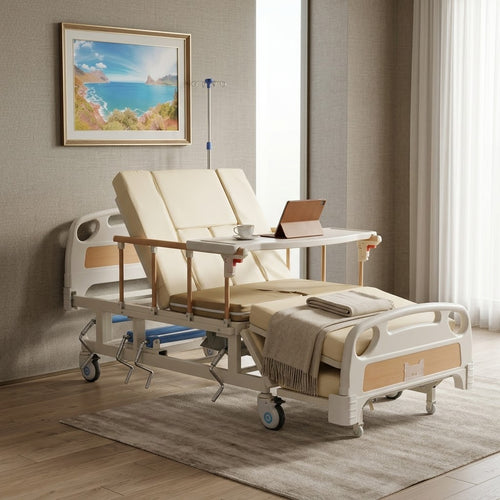
- Wheeled Chairs (Geriatric Chairs): These are more specialized, often seen in healthcare settings. They are essentially comfortable recliners on wheels, allowing caregivers to easily move the individual. They offer various recline positions and often have trays or IV pole attachments.
Who needs a lift chair, and what should I look for?
You need a lift chair if standing up from a seated position is a consistent struggle, or if there's a risk of falling. These chairs are a significant investment but can dramatically improve independence and safety.
When looking at lift chairs, consider these points:
- Motor Type: Single motor chairs recline and lift using one motor, so movements are synchronized. Dual motor chairs let you adjust the backrest and footrest independently, offering more personalized comfort.
- Weight Capacity: Standard lift chairs support up to 300 pounds. Bariatric models are available for heavier individuals, often supporting 500 pounds or more. Always check this spec.
- Recline Positions: Beyond the lift function, some chairs offer "infinite position" recline, meaning they can achieve almost any angle, including a zero-gravity position that can be beneficial for circulation.
- Remote Control: Make sure the remote is easy to use, with large, clearly labeled buttons.
- Battery Backup: A good lift chair will have a battery backup system in case of a power outage, so you won't get stuck in a reclined position. This usually involves a couple of 9-volt batteries.
How important is seat height and depth?
Seat height and depth are incredibly important for an elderly chair. The right measurements ensure proper posture, reduce strain, and make it easier to get in and out.
- Seat Height: The ideal seat height allows the user's feet to rest flat on the floor with their knees bent at a 90-degree angle. For most elderly individuals, this means a seat height between 19 and 21 inches from the floor. If the chair is too low, it's hard to stand up. If it's too high, feet will dangle, leading to poor circulation and discomfort.
- Seat Depth: The seat depth should allow the user to sit with their back against the backrest and still have about 2-3 inches between the edge of the seat and the back of their knees. If the seat is too deep, it can cause slouching and pressure on the back of the legs. If it's too shallow, it won't provide enough thigh support.
What about armrests and cushioning?
Armrests and cushioning might seem minor, but they play a crucial role in an elderly chair's functionality and comfort.
- Armrests: These should be sturdy, fixed, and extend to the front edge of the seat. They provide essential leverage for pushing up when standing and offer stability when sitting down. Padded armrests are more comfortable, but the underlying structure needs to be robust. Avoid chairs with short or flimsy armrests. The height of the armrest should be comfortable for resting forearms, typically around 7-9 inches above the seat.
- Cushioning: Firm, high-density foam cushioning is generally better than soft, plush cushions. While soft chairs feel nice initially, they can make it harder to push off from and can cause a person to sink too deeply, leading to discomfort and difficulty getting up. Firm cushions provide better support and are more durable over time. Look for cushions that maintain their shape and don't sag significantly when sat upon.
Are there any common mistakes to avoid when buying?
Yes, there are a few common pitfalls to steer clear of.
- Prioritizing softness over support: A chair that feels incredibly soft in the showroom might be a nightmare to get out of at home. Prioritize firm support.
- Ignoring dimensions: Don't guess. Measure the space where the chair will go, and check the chair's dimensions, especially width and depth, to ensure it fits and allows room for movement. A lift chair, for example, needs space to fully recline and lift.
- Not checking weight capacity: This is a critical safety feature. Always confirm the chair can safely support the user's weight.
- Overlooking material durability: Choose fabrics that are easy to clean and durable. Microfiber or leather can be good choices for spill resistance and longevity.
- Skipping the trial: If possible, have the intended user sit in the chair. This is the best way to gauge comfort, ease of use, and overall fit. Pay attention to how easy it is to stand up from the chair.
What are some alternatives if a specialized elderly chair isn't an option?
If a full-blown lift chair or specialized high-seat chair isn't feasible, you still have options to improve existing furniture.
- Chair Risers: These are blocks placed under the legs of an existing chair to increase its height. They are an affordable solution, but you need to ensure they are stable and compatible with the chair's leg type. Prices usually range from $20 to $50 for a set.
- Firm Seat Cushions: Adding a firm, high-density foam cushion to a regular chair can increase its effective height and provide better support. Look for cushions that are at least 3-4 inches thick.
- Stand-Assist Aids: These are frames or handles that can be placed next to or under an existing armchair to provide extra leverage for standing up. They don't lift the chair but offer a stable grip point.
- Strategic Furniture Placement: Positioning a sturdy table or another piece of furniture nearby can offer an extra point of support when getting up from a regular chair.
Ultimately, the best chair for an elderly person is one that combines safety, comfort, and promotes independence without feeling institutional. Take your time, consider the specific needs, and don't hesitate to measure and compare.
Written by
Kevin
Health & Fitness, MaviGadget
Kevin writes for the MaviGadget Journal, testing the gadgets that promise to change your day and reporting honestly on the ones that actually do.