Effortless Every Day: Your Simple Guide to Moving Better as You Age
How to Make Daily Movement Easier as You Age: A Simple Guide How to Make Daily Movement Easier as You Age: A Simple Guide As we get older, many of us notice that moving around isn’t quite as effortless as it used to be. Daily tasks like bending down, climbing stairs, or even just walking […]

How to Make Daily Movement Easier as You Age: A Simple Guide
As we get older, many of us notice that moving around isn’t quite as effortless as it used to be. Daily tasks like bending down, climbing stairs, or even just walking can feel more challenging. But the good news is, you don’t have to accept this as inevitable. There are many simple, practical things you can do to keep your body moving freely and comfortably, helping you enjoy an active life for longer. This guide will walk you through clear, actionable steps to make daily movement easier as you age, helping you feel more confident and capable in your everyday life.
Quick Summary: Boost Your Daily Movement
Making movement easier as you age boils down to a few key strategies:
- Start Small and Stay Consistent: Gentle, regular activity is more effective than occasional intense bursts.
- Focus on Strength, Flexibility, and Balance: These three pillars are crucial for comfortable movement.
- Support Your Body from Within and Without: Good nutrition, hydration, and proper gear make a big difference.
Step-by-Step Guide: How to Make Daily Movement Easier As You Age
Here’s how you can proactively improve your mobility and make everyday activities feel less strenuous:
Step 1: Start Gentle and Be Consistent
The biggest hurdle for many is just getting started. Don’t feel pressured to begin with intense workouts. Instead, focus on gentle, regular movement. Even short bursts of activity throughout your day can make a huge difference. Think about daily walks, light stretching, or simple chair exercises. The key is to build a consistent habit, not to overdo it from day one. Your body adapts best to gradual changes.
Step 2: Integrate Movement Into Your Daily Life
You don’t need a gym membership to increase your movement. Look for ways to add activity to your existing routine:
- Walk more: Take the stairs instead of the elevator, park a bit further away, or walk to nearby shops.
- Do chores actively: Cleaning, gardening, and even cooking involve movement.
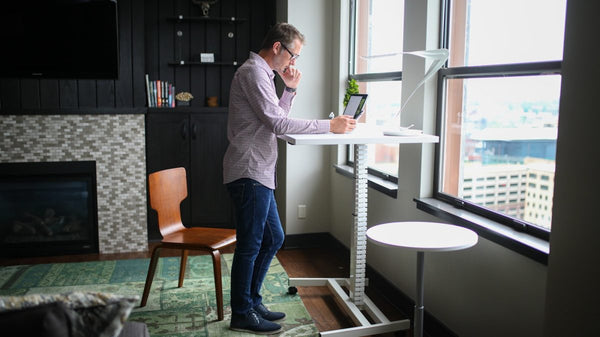
- Take movement breaks: If you sit for long periods, stand up and stretch every 30-60 minutes.
These small, frequent movements add up and keep your joints lubricated and muscles engaged.
Step 3: Prioritize Flexibility and Stretching
Stiffness is a common complaint with age, making everyday tasks like reaching for something on a high shelf or tying your shoes difficult. Regular stretching helps maintain and improve your range of motion. Focus on gentle stretches for your neck, shoulders, back, hips, and legs. Activities like yoga, tai chi, or even simple morning stretches can significantly boost your flexibility. Hold each stretch gently for 15-30 seconds, never pushing into pain.
Step 4: Build and Maintain Muscle Strength
Muscle mass naturally decreases with age, a process called sarcopenia. Strong muscles support your joints, improve your posture, and make tasks like lifting groceries or standing up from a chair much easier. You don’t need heavy weights to build strength. Bodyweight exercises (like squats using a chair, wall push-ups, or calf raises), resistance bands, or light dumbbells are excellent options. Aim for 2-3 strength training sessions per week.
Step 5: Improve Your Balance
Falls become a greater concern as we age, and good balance is key to preventing them. Simple balance exercises can significantly reduce your risk. Try standing on one leg while holding onto a counter, walking heel-to-toe, or practicing tai chi. Good balance not only prevents falls but also makes you feel more stable and confident in your movements.
Step 6: Fuel Your Body with Good Nutrition
What you eat plays a huge role in how your body moves. A diet rich in lean protein, fruits, vegetables, and whole grains provides the energy your muscles need and helps repair tissues. Calcium and Vitamin D are vital for bone health, while anti-inflammatory foods can help reduce joint pain. Avoid highly processed foods that can lead to inflammation and low energy.
Step 7: Stay Well-Hydrated
Water is essential for almost every bodily function, including joint lubrication. Dehydration can lead to fatigue, muscle cramps, and stiffness. Make sure you’re drinking enough water throughout the day. It helps keep your cartilage healthy and allows your joints to move smoothly.
Step 8: Wear Supportive Footwear
Your shoes impact your entire body. Wearing comfortable, supportive shoes with good arch support and cushioning can reduce strain on your feet, knees, hips, and back. Avoid high heels or flimsy sandals for daily activities. Choose shoes that fit well and provide stability, especially if you’re engaging in physical activity.
Step 9: Listen to Your Body and Rest
It’s important to challenge your body, but equally important to listen to it. Don’t push through sharp pain. Pain is your body’s signal that something isn’t right. Allow for adequate rest and recovery between activities. Overtraining can lead to injuries and burnout, making movement harder in the long run. Rest days are when your muscles repair and grow stronger.
Step 10: Consider Assistive Devices When Needed
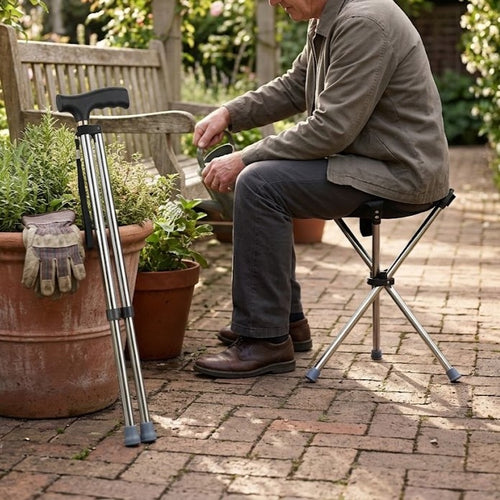
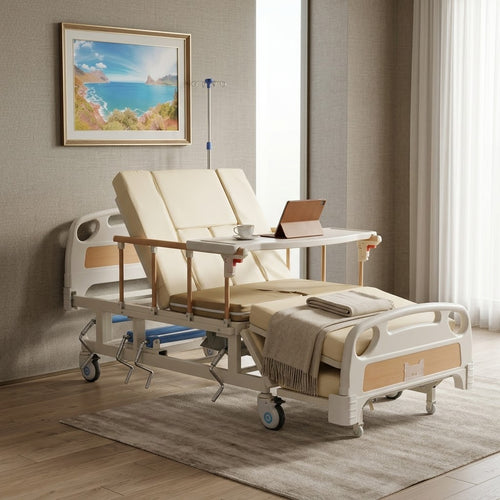
There’s no shame in using tools that make life easier and safer. Canes, walkers, grab bars in the bathroom, or reaching tools can significantly enhance your independence and reduce the risk of falls. Embrace these aids as ways to maintain your mobility and confidence, not as signs of weakness.
Step 11: Seek Professional Guidance
If you have persistent pain, difficulty with movement, or are unsure where to start, consult a healthcare professional. A doctor, physical therapist, or certified personal trainer specializing in older adults can provide personalized advice, develop a safe exercise plan, and address any underlying health concerns that might be affecting your mobility.
Tips & Common Mistakes to Avoid
Helpful Tips:
- Make it Fun: Choose activities you genuinely enjoy, whether it’s dancing, gardening, or swimming. You’re more likely to stick with it.
- Find a Buddy: Exercising with a friend or in a group can provide motivation and accountability.
- Set Realistic Goals: Celebrate small victories and don’t get discouraged by setbacks. Progress, not perfection, is the aim.
- Track Your Progress: Keep a simple log of your activity. Seeing how far you’ve come can be incredibly motivating.
Common Mistakes to Avoid:
- Doing Too Much, Too Soon: This is a common cause of injury and discouragement. Gradually increase intensity and duration.
- Ignoring Pain: While some muscle soreness is normal after a workout, sharp or persistent pain is a red flag. Stop and assess.
- Skipping Warm-ups and Cool-downs: These are crucial for preparing your body for activity and aiding recovery.
- Staying Sedentary: The biggest mistake is doing nothing. Even small amounts of movement are better than none.
Key Takeaways: How to Make Daily Movement Easier as You Age
To make daily movement easier as you age, focus on these key areas:
- Start with small, consistent movements and gradually build up.
- Prioritize flexibility to increase your range of motion.
- Build muscle strength to support your joints and improve function.
- Improve your balance to prevent falls and boost confidence.
- Support your body with good nutrition, hydration, and comfortable footwear.
- Listen to your body and don’t hesitate to seek professional help or use assistive devices.
Frequently Asked Questions
What is the easiest way to make daily movement easier as you age?
The easiest way to start is by incorporating small, consistent movements into your daily routine. This could be a 10-minute walk, gentle stretching while watching TV, or taking the stairs instead of an elevator. The goal is to make movement a natural, regular part of your day without feeling overwhelmed, gradually building up your activity level.
How long does it take to feel better and notice improvements in movement?
Many people start to notice small improvements in energy levels and flexibility within a few weeks of consistent gentle activity. Significant changes in strength and overall ease of movement might take 2-3 months or more. Consistency is key, and individual results can vary based on starting fitness levels and adherence to a routine.
What kind of exercise is best for older adults looking to improve movement?
A balanced exercise program that includes aerobic activity (like walking or swimming), strength training (using bodyweight or light weights), flexibility exercises (stretching, yoga), and balance training (tai chi, standing on one leg) is ideal. Always choose activities you enjoy and that are appropriate for your current fitness level, ideally after consulting with a healthcare professional.
Making daily movement easier as you age is a journey, not a destination. By taking these practical steps, you can significantly improve your mobility, reduce discomfort, and maintain your independence and quality of life for years to come. Start today, be patient with yourself, and celebrate every small step forward.
Looking for more inspiration? Explore the full Mavigadget Gift Ideas Collection for creative solutions.
Filed under
Written by
Kevin
Health & Fitness, MaviGadget
Kevin writes for the MaviGadget Journal, testing the gadgets that promise to change your day and reporting honestly on the ones that actually do.