Conquering the Cold: Your Guide to Taking Cold Showers (Without the Screaming)
Embrace the Chill: A Guide to Taking Cold Showers (Without the Screaming) Conquering the Cold: Your Guide to Taking Cold Showers Thinking about taking the plunge into the world of cold showers? It’s a topic that’s gained a lot of buzz lately, and for good reason! Cold showers offer a range of potential benefits, from […]

Conquering the Cold: Your Guide to Taking Cold Showers
Thinking about taking the plunge into the world of cold showers? It’s a topic that’s gained a lot of buzz lately, and for good reason! Cold showers offer a range of potential benefits, from boosting your mood to improving your physical recovery. However, the thought of stepping into freezing water can be, well, daunting. Don’t worry! This guide will help you navigate the world of cold showers, step by step, so you can experience the advantages without the screaming. We’ll explore how to approach the cold shower, what to expect, and how to make it a sustainable part of your routine.
Why Bother with Cold Showers? Unpacking the Perks
Before we dive into the “how,” let’s talk about the “why.” Understanding the potential upsides of cold showers can be a huge motivator. Here’s a peek at some of the reported benefits:
- Improved Mood and Mental Clarity: Many people find that cold showers give them an immediate energy boost and improve their overall mood. This is partly due to the release of endorphins, the body’s natural “feel-good” chemicals. Additionally, the shock of cold water can heighten alertness and focus.
- Enhanced Energy Levels: Forget coffee! Cold showers can be a fantastic way to wake up and feel more energized. The cold water stimulates your nervous system, leading to increased alertness and a feeling of invigoration.
- Muscle Recovery and Reduced Soreness: Athletes and fitness enthusiasts often use cold water immersion to aid muscle recovery after intense workouts. Cold water can help reduce inflammation and muscle soreness.
- Better Circulation: Cold water constricts blood vessels, and as your body warms up, those vessels dilate. This process can improve circulation and give you a feeling of warmth after the shower.
- Boosted Immune System: Some studies suggest that regular exposure to cold temperatures can enhance the immune system’s function, making you less susceptible to minor illnesses.
- Potential for Weight Management: Brown fat, a type of fat that is activated by cold temperatures, helps generate heat by burning calories. Cold showers could potentially contribute to increased calorie expenditure.
- Increased Resilience to Stress: Regularly exposing yourself to cold can build mental toughness and resilience. Learning to manage the initial shock of the cold can translate to better coping mechanisms in other stressful situations.
Getting Started: Your Cold Shower Training Plan
Now that you know why you might want to try cold showers, let’s talk about how to get started. The key is to ease into it gradually. Don’t expect to jump straight into a full-blown ice bath! The goal is to build up your tolerance and make the experience more manageable and, eventually, enjoyable.
Step 1: Start Warm (But Not Too Warm)
Begin by taking a shower at a comfortable temperature. This could be slightly warmer than your usual shower temperature. The goal is to get your body used to being wet and to avoid the initial shock of extreme cold.
Step 2: Gradual Temperature Drop
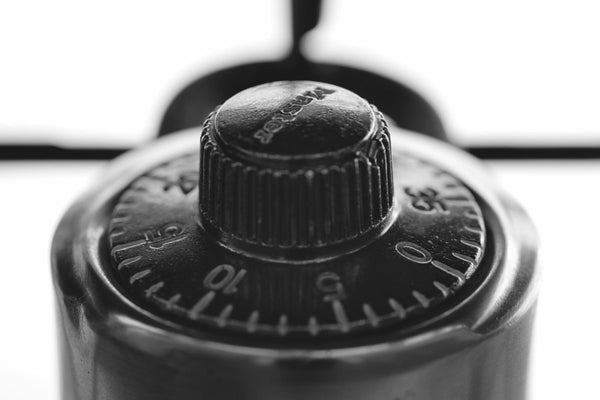
Once you’re in the shower, slowly and deliberately start turning the water temperature down. The key here is patience. Turn the knob a little bit at a time. Wait a few seconds for the water to adjust before turning it down further. You’re aiming for cold, but not frigid, at first.
Step 3: Short Bursts of Cold
Once you feel the water getting cold, try staying in the cold stream for a short period, maybe 15-30 seconds. Focus on your breathing. The initial shock will make you want to gasp, but try to maintain slow, deep breaths. This is crucial for managing the physical and emotional response.
Step 4: Alternate Warm and Cold (The Switch Method)
To make the transition less shocking, consider the “switch method.” Spend a minute or two in a comfortably warm shower, then switch to cold for 30 seconds to a minute. Then, switch back to warm. Repeat this cycle several times. This helps your body adapt to the temperature changes.
Step 5: Gradually Increase the Cold Time
Over time, as you get more comfortable, gradually increase the amount of time you spend in the cold water. Add a few seconds each day or every few days. The goal is to eventually be able to tolerate the cold for a few minutes at a time.
Step 6: Focus on Your Breathing
Breathing is your best friend during a cold shower. Deep, controlled breaths can help calm your nervous system and lessen the sensation of cold. Practice diaphragmatic breathing (belly breathing) to help you stay calm.
Step 7: Listen to Your Body
Pay attention to how you feel. If you start to feel extreme discomfort, numbness, or shivering uncontrollably, it’s time to turn the water warmer or end the shower. Don’t push yourself too hard, especially in the beginning.
Making Cold Showers a Sustainable Habit: Tips and Tricks
So, you’ve taken a few cold showers and want to make this a regular part of your routine? Here are some tips to help you:
- Consistency is Key: Aim for consistency. Try to take a cold shower at the same time each day, even if it’s just for a few seconds. The more often you expose yourself to cold, the more your body will adapt.
- Set a Realistic Goal: Don’t try to jump from zero to five minutes of cold exposure overnight. Start small and gradually increase the duration.
- Consider the Environment: The temperature of the water can fluctuate depending on your location and the time of year. Adjust your approach accordingly.
- Warm Up Afterwards: Have a warm towel ready, or plan to do some light exercise immediately after your cold shower. This will help your body warm up and feel more comfortable.
- Shower Alone: If possible, take your cold showers when you have some privacy. This will allow you to fully focus on your breathing and adjust to the temperature without feeling self-conscious.
- Combine with Other Healthy Habits: Cold showers complement other healthy habits like regular exercise, a balanced diet, and adequate sleep.
- Don’t be Afraid to Experiment: Try different approaches to find what works best for you. Some people prefer to start cold and then gradually warm up. Others prefer the switch method.
- Stay Hydrated: Drink plenty of water throughout the day, especially after a cold shower.
- Don’t Shower if Sick: If you’re feeling under the weather or have a fever, it’s best to skip the cold shower and let your body rest and recover.
What to Expect: The Cold Shower Experience
The first few times you take a cold shower, you’ll likely experience a shock. It’s a natural response! Here’s a breakdown of what to expect:
- The Initial Shock: The sudden cold can cause a gasp and a temporary increase in heart rate. This is a normal physiological reaction.
- Breathing Changes: You might find yourself breathing more quickly and shallowly. Focus on deep, controlled breaths to help regulate your nervous system.
- Physical Sensations: You may experience goosebumps, shivering, and a feeling of coldness.
- Mental Response: You might experience a mix of emotions, from discomfort to exhilaration.
- Post-Shower Feeling: After you get out, you’ll likely experience a feeling of increased energy, alertness, and a sense of accomplishment.
Troubleshooting: Common Cold Shower Challenges
Even with the best intentions, you might encounter some challenges. Here’s how to address them:
- Too Cold: If the water is too cold, adjust the temperature or shorten the duration.
- Anxiety: If you feel anxious, focus on your breathing and try to mentally prepare yourself before you get in. Remind yourself that it’s a temporary experience and focus on the positive benefits.
- Difficulty Breathing: If you are finding it hard to control your breathing, stop. Take a break and start again later.
- Physical Discomfort: If you experience extreme shivering or numbness, it’s a sign that you’ve pushed yourself too far. Get out and warm up.
- Lack of Motivation: Remind yourself of the benefits and create a routine. Having a friend to take cold showers with can help you stay motivated.
Beyond the Shower: Other Cold Water Exposure Options
If you’re not quite ready for a full cold shower, there are other ways to introduce cold exposure into your life:
- Cold Water Plunge: Submerging your entire body in cold water (a cold bath or a natural body of water) is a more intense experience. Start with short durations and gradually increase the time.
- Cold Water Immersion: Use a bucket or tub to immerse specific body parts, like your feet or hands, in cold water.
- Ice Baths: A popular recovery method for athletes. Use a bathtub and ice to create an ice bath.
- Cold Packs/Compresses: Apply cold packs or compresses to specific areas, such as sore muscles or injuries.
- Swimming in Cold Water: Open water swimming in cold water offers a unique experience and can bring both physical and mental benefits. Ensure the water is safe and supervised.
Are Cold Showers Safe? Potential Risks and Considerations
For most healthy individuals, cold showers are safe. However, there are some considerations:
- Heart Conditions: If you have a heart condition or any other pre-existing medical conditions, consult your doctor before starting cold showers.
- Pregnancy: It’s generally advised to avoid cold showers or consult a doctor if you are pregnant.
- Medications: Some medications may affect your body’s response to cold. Talk to your doctor if you take medications.
- Listen to Your Body: The most important rule is to listen to your body. If something doesn’t feel right, stop.
Final Thoughts: Taking the Plunge with Confidence
Taking cold showers might seem intimidating at first, but with the right approach, you can integrate them into your routine and reap the potential rewards. Remember to start slowly, focus on your breathing, and listen to your body. You’ll likely find that the initial discomfort gives way to a feeling of invigoration, focus, and a sense of accomplishment. Cold showers are just one tool for boosting your overall well-being. It might not be the easiest thing to do, but with persistence, you can conquer the cold. Embrace the challenge, and enjoy the journey!
“`
Filed under
Written by
Kevin
Health & Fitness, MaviGadget
Kevin writes for the MaviGadget Journal, testing the gadgets that promise to change your day and reporting honestly on the ones that actually do.