Banish Desk Neck Pain: Your Step-by-Step Guide to Lasting Relief
How to Relieve Neck Pain After Long Hours at a Desk: Your Step-by-Step Guide Introduction: Free Yourself from Desk-Related Neck Pain Do you often finish your workday with a stiff neck, nagging discomfort, or even a headache? You’re not alone. Spending long hours at a desk, especially with poor posture or an unoptimized setup, is […]

Introduction: Free Yourself from Desk-Related Neck Pain
Do you often finish your workday with a stiff neck, nagging discomfort, or even a headache? You’re not alone. Spending long hours at a desk, especially with poor posture or an unoptimized setup, is a common culprit for neck pain. It can make everyday activities challenging and reduce your overall well-being.
The good news is that you don’t have to live with it. This guide will walk you through practical, easy-to-follow steps on how to relieve neck pain after long hours at a desk. By making simple adjustments and incorporating quick routines into your day, you can significantly reduce discomfort and prevent future issues. Let’s get started!
Quick Summary: Your Path to Neck Pain Relief
Here’s a snapshot of the key strategies you’ll learn to implement:
- **Optimize Your Workspace:** Adjust your chair, monitor, keyboard, and mouse for proper alignment.
- **Embrace Movement:** Take frequent short breaks to stretch and change positions.
- **Practice Targeted Stretches:** Learn simple exercises to release tension in your neck and shoulders.
- **Maintain Good Posture:** Develop awareness of your body’s position throughout the day.
Step-by-Step Instructions: How to Relieve Neck Pain After Long Hours at a Desk
Follow these actionable steps to find lasting relief and prevent neck pain from setting in.
-
1. Optimize Your Workspace Ergonomics
Your desk setup plays a huge role in neck comfort. Small changes can make a big difference in how to relieve neck pain after long hours at a desk.
a. Adjust Your Monitor Height
- **Position:** The top of your screen should be at or slightly below eye level.
- **Distance:** Sit an arm’s length away from your monitor.
- **Benefit:** This keeps your head in a neutral position, preventing you from craning your neck up or down.
b. Sit in an Ergonomic Chair
- **Lumbar Support:** Ensure your lower back is supported, maintaining its natural curve.
- **Armrests:** Adjust them so your arms are relaxed and your shoulders aren’t hunched. Your forearms should be parallel to the floor.
- **Feet:** Your feet should be flat on the floor or on a footrest, with your knees at about a 90-degree angle.
c. Position Your Keyboard and Mouse Correctly
- **Keyboard:** Keep it close to your body to avoid reaching. Your wrists should be straight, not bent up or down.
- **Mouse:** Use a mouse that fits your hand comfortably and keep it close to your keyboard to minimize stretching.
- **Benefit:** Prevents strain on your wrists, forearms, and shoulders, which can contribute to neck tension.
-
2. Implement Regular Movement Breaks
Static positions are a primary cause of neck stiffness. Breaking up your time at the desk is crucial.
a. Take Micro-Breaks
- **Frequency:** Every 20-30 minutes, stand up, stretch briefly, or just change your sitting position.
- **Duration:** Even 30-60 seconds can help.
- **Benefit:** Boosts circulation, prevents muscles from tightening, and reminds you to reset your posture.
b. Take Longer Breaks
- **Frequency:** Every hour, stand up, walk around for 5-10 minutes.
- **Activities:** Get a glass of water, walk to a colleague’s desk (if appropriate), or simply step away from your screen.
- **Benefit:** Allows for more significant movement and reduces the cumulative strain on your neck and spine.
-
3. Practice Gentle Neck Stretches
Targeted stretches can quickly release tension and are a key part of how to relieve neck pain after long hours at a desk.
a. Chin Tucks
- **How to:** Sit or stand tall. Gently pull your chin straight back, as if making a double chin, feeling a stretch at the back of your neck. Keep your gaze forward.
- **Hold:** Hold for 5-10 seconds.
- **Repeat:** 5-10 times.
- **Benefit:** Strengthens deep neck flexors and improves forward head posture.
b. Ear-to-Shoulder Tilts
- **How to:** Sit or stand with a straight back. Gently tilt your head to bring your right ear towards your right shoulder. Use your right hand gently on the left side of your head for a deeper stretch, but don’t pull hard.
- **Hold:** Hold for 15-20 seconds.
- **Repeat:** Switch sides and repeat 2-3 times per side.
- **Benefit:** Stretches the side of your neck (scalenes and upper trapezius).
c. Neck Rotations
- **How to:** Sit or stand tall. Slowly turn your head to look over your right shoulder.
- **Hold:** Hold for 10-15 seconds.
- **Repeat:** Gently return to center and turn to look over your left shoulder. Repeat 2-3 times per side.
- **Benefit:** Increases range of motion in your neck.
d. Shoulder Rolls
- **How to:** Sit or stand with arms relaxed. Roll your shoulders forward in a circular motion 5-10 times, then backward 5-10 times.
- **Benefit:** Relieves tension in the upper back and shoulders, which often contributes to neck pain.
-
4. Be Mindful of Your Posture
Good posture is your body’s natural defense against pain. Develop an awareness of how you hold yourself.
a. Sitting Posture Check
- **Spine:** Keep your spine long and straight, avoiding slouching.
- **Shoulders:** Relax your shoulders down and back, away from your ears.
- **Head:** Imagine a string gently pulling your head towards the ceiling, aligning your ears over your shoulders.
b. Standing Posture Check
- **Weight:** Distribute your weight evenly on both feet.
- **Core:** Gently engage your core muscles.
- **Alignment:** Keep your head, shoulders, and hips in a straight line.
-
5. Use Heat or Cold Therapy
For immediate relief, applying heat or cold can be very effective.
a. Heat Therapy
- **How to:** Use a warm compress, heating pad, or a warm shower.
- **When:** Best for stiff, tense muscles.
- **Benefit:** Increases blood flow, relaxes muscles, and reduces spasms.
b. Cold Therapy
- **How to:** Apply an ice pack (wrapped in a cloth) to the affected area.
- **When:** Best for acute pain or inflammation.
- **Benefit:** Reduces swelling and numbs the pain.
-
6. Stay Hydrated and Nourished
Believe it or not, your diet and hydration can impact muscle health and how your body handles pain.
- **Water:** Drink plenty of water throughout the day. Dehydration can lead to muscle cramping and stiffness.
- **Nutrients:** Ensure a balanced diet rich in anti-inflammatory foods (like fruits, vegetables, and omega-3s) to support overall muscle and joint health.
-
7. Try Gentle Self-Massage
A quick self-massage can help work out knots and tension in your neck and shoulders.
- **How to:** Use your fingertips to gently rub and knead the tense areas of your neck and upper shoulders. Apply light to moderate pressure.
- **Tools:** You can also use a small massage ball or a specialized massage tool for harder-to-reach spots.
- **Benefit:** Increases blood flow, releases muscle knots, and provides immediate, localized relief.
Tips & Common Mistakes to Avoid
To truly master how to relieve neck pain after long hours at a desk, keep these points in mind:
Helpful Tips:
- **Consistency is Key:** Incorporate these steps into your daily routine, even when you’re not experiencing pain.
- **Listen to Your Body:** If a stretch or movement causes sharp pain, stop immediately.
- **Stay Active:** Regular exercise outside of work strengthens core muscles and improves overall posture.
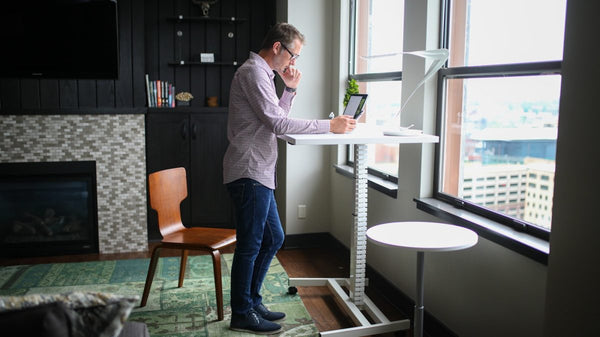
- **Ergonomic Accessories:** Consider a standing desk converter, an ergonomic keyboard, or a monitor arm if your current setup isn’t fully adjustable.
Common Mistakes:
- **Slouching:** Allowing your shoulders to round forward and your head to jut out.
- **Ignoring Early Pain:** Waiting until discomfort becomes severe before taking action.
- **”Tech Neck”:** Spending too much time looking down at your phone or tablet.
- **Not Adjusting Your Chair:** Using a generic chair without personalizing the settings for your body.
- **Holding Tension:** Unconsciously clenching your jaw or shrugging your shoulders when stressed.
Key Takeaways for Neck Pain Relief
To effectively know how to relieve neck pain after long hours at a desk, remember these core principles:
- **Adjust your environment:** Create an ergonomic workspace that supports good posture.
- **Move regularly:** Break up long periods of sitting with stretches and short walks.
- **Stretch purposefully:** Integrate simple neck and shoulder stretches into your day.
- **Prioritize posture:** Be mindful of how you sit and stand to maintain proper alignment.
- **Use self-care techniques:** Employ heat/cold therapy and gentle massage when needed.
Frequently Asked Questions
What is the easiest way to How to Relieve Neck Pain After Long Hours at a Desk?
The easiest and most immediate way to relieve neck pain is often a combination of taking a short movement break (standing up and walking a few steps) and performing a couple of gentle neck stretches, such as chin tucks and ear-to-shoulder tilts. These can quickly release built-up tension and improve circulation.
How long does it take to How to Relieve Neck Pain After Long Hours at a Desk?
You can often feel immediate relief from gentle stretches and posture adjustments within minutes. For chronic pain, consistent application of these strategies over days or weeks will lead to more significant, long-lasting improvement. Preventing future pain requires ongoing attention to ergonomics and regular movement.
When should I see a doctor for neck pain?
You should consult a doctor if your neck pain is severe, persistent (lasting more than a few days without improvement), worsens, or is accompanied by other symptoms like numbness, tingling, weakness in your arms or hands, dizziness, or a fever. These could indicate a more serious underlying issue.
Conclusion: Embrace a Pain-Free Workday
Taking control of your desk-related neck pain is entirely achievable with a bit of conscious effort and consistency. By implementing the steps outlined in this guide—from optimizing your workspace to integrating regular movement and simple stretches—you’ll be well on your way to understanding how to relieve neck pain after long hours at a desk. Make these practices a regular part of your routine, and enjoy a more comfortable, productive, and pain-free workday.
Looking for more inspiration? Explore the full Mavigadget Gift Ideas Collection for creative solutions.
Filed under
Written by
Arthur
Health & Fitness, MaviGadget
Arthur writes for the MaviGadget Journal, testing the gadgets that promise to change your day and reporting honestly on the ones that actually do.