Fashion & Accessories
Clothing and Accessories: A Clear Explainer
This guide defines clothing and accessories, explaining their distinct roles in fashion and everyday life. Learn about the categories, functions, and key differences.
Clothing refers to items worn directly on the body primarily for protection, modesty, and warmth, such as shirts, pants, and dresses. Accessories are supplementary items that enhance an outfit, adding style or utility without being primary garments, like jewelry, bags, and hats.
Key takeaways
- Clothing covers the body and includes garments like shirts, pants, and dresses.
- Accessories are additions like jewelry, bags, and scarves that complement clothing.
- Clothing provides core coverage; accessories add style, personalization, or function.
- The fashion industry distinguishes between these two categories for design and merchandising.
What exactly is clothing?
Clothing encompasses any garment worn to cover the body. Its main purposes are protection from the elements, modesty, and personal expression. Think of shirts, pants, skirts, dresses, jackets, and underwear. These items form the base layers of what you wear every day. For example, a basic T-shirt provides coverage and can be a foundation for many outfits. The average person owns dozens of clothing items, from socks to outerwear.
What exactly are accessories?
Accessories are items that complement clothing but are not essential garments themselves. They serve to enhance an outfit, add a touch of personality, or provide extra utility. Examples include watches, necklaces, belts, handbags, scarves, and hats. A simple gold necklace, for instance, doesn't cover your body, but it can significantly change the look of a plain top. Many people own 5-10 core accessories they rotate regularly.
What's the main difference between clothing and accessories?
The main difference lies in their primary function and how they are worn. Clothing is the fundamental layer that covers the body, providing protection and modesty. Accessories are secondary items, added to complete or enhance an outfit, often for stylistic or practical reasons. You can't really "wear" an accessory without some form of clothing underneath, but you can certainly wear clothing without any accessories. For example, a pair of jeans is clothing, while the belt you wear with them is an accessory.
Why do we need both clothing and accessories?
We need both because they fulfill different, yet complementary, roles in our daily lives and personal expression. Clothing provides the necessary coverage and comfort. Accessories allow for personalization, trend adoption, and functional enhancements. Without clothing, accessories lose their context. Without accessories, outfits can feel incomplete or lack individuality. Imagine a plain black dress; it's functional clothing. Adding a vibrant scarf and a statement necklace transforms it, showing how accessories elevate the look.
What are the main types of clothing?
Clothing can be broken down into several broad categories based on function and style. Here are some key types:
- Outerwear: Jackets, coats, blazers. Worn over other layers for warmth or style.
- Innerwear: Underwear, bras, socks. Worn closest to the body for hygiene and comfort.
- Tops: T-shirts, blouses, sweaters, hoodies. Cover the upper body.
- Bottoms: Pants, skirts, shorts, jeans. Cover the lower body.
- Dresses/Jumpsuits: One-piece garments covering both upper and lower body.
- Activewear: Leggings, athletic shirts, tracksuits. Designed for physical activity, often with moisture-wicking properties.
- Sleepwear: Pajamas, nightgowns. Designed for comfort during sleep.
Each type serves a specific purpose, from a heavy winter coat offering several pounds of insulation to a lightweight cotton T-shirt.
What are the main types of accessories?
Accessories also come in various forms, each adding a distinct touch.
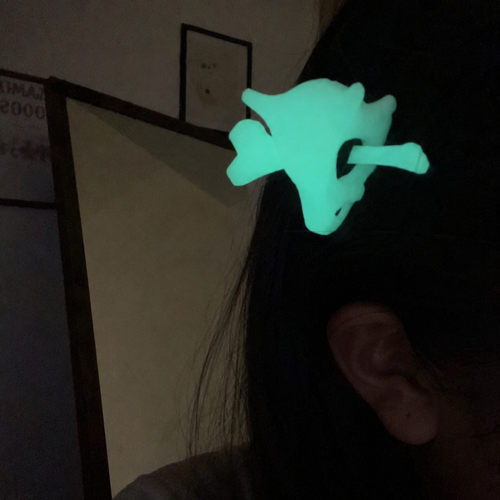
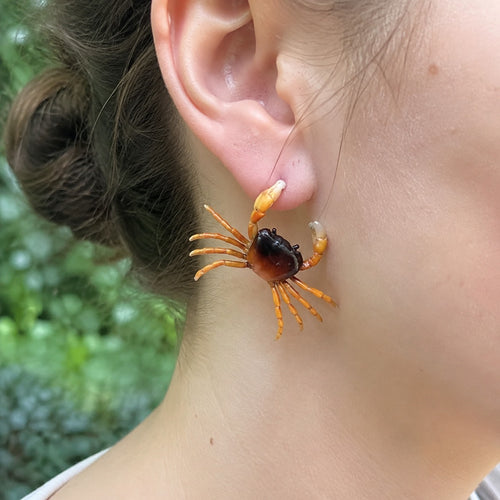
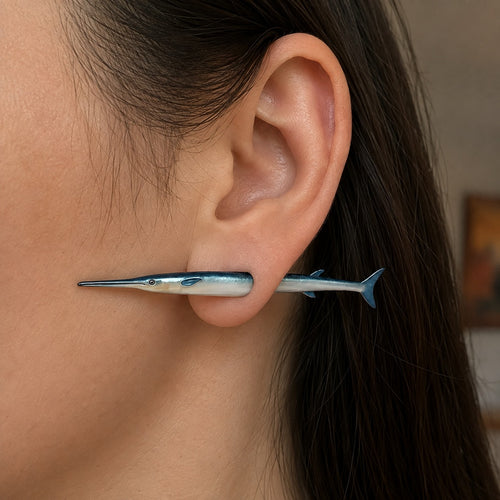
- Jewelry: Necklaces, rings, earrings, bracelets. Primarily for decoration.
- Bags: Handbags, backpacks, clutches, wallets. For carrying personal items. A typical handbag might weigh 1-2 pounds empty.
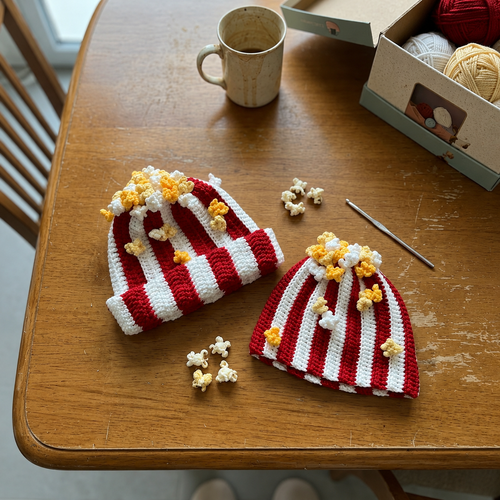
- Headwear: Hats, beanies, headbands. For warmth, sun protection, or style.
- Scarves/Wraps: For warmth, decoration, or modesty.
- Belts: To secure bottoms or cinch waists for style.
- Eyewear: Sunglasses, prescription glasses (though the latter can be considered a necessity too).
- Watches: For telling time and as a fashion statement.
- Gloves: For warmth or protection.
These items often weigh less than clothing, with a small ring weighing just a few grams.
Can an item be both clothing and an accessory?
No, generally an item is classified as either clothing or an accessory based on its primary role. While some items might blur the lines slightly, their core function usually defines them. For instance, a very ornate belt might draw a lot of attention, but its fundamental purpose is still to hold up pants or define a waist, making it an accessory. A decorative vest, however, provides body coverage and warmth, making it clothing. The distinction often comes down to whether it's a primary layer of coverage.
Why is this distinction important for consumers and the fashion industry?
For consumers, understanding this distinction helps in making informed purchasing decisions. You buy clothing for basic needs and then select accessories to personalize and complete your look. For the fashion industry, this categorization is crucial for design, manufacturing, and retail. Clothing designers focus on fit, fabric, and construction of garments, while accessory designers specialize in smaller items, often using different materials and production techniques. Retail stores also typically organize their inventory into separate sections for clothing and accessories, making shopping easier. This separation impacts everything from marketing campaigns to inventory management; for example, a clothing collection might launch seasonally, while new accessory lines might drop more frequently throughout the year.
How to choose the right clothing and accessories for you?
Choosing the right items involves understanding your personal style, lifestyle, and the occasion.
- Start with clothing basics: Build a wardrobe of versatile, well-fitting clothing that suits your daily activities. Think about core pieces like neutral-colored tops, well-fitting jeans, and a versatile jacket.
- Consider your lifestyle: If you're active, invest in good quality activewear. If you work in a corporate environment, focus on professional attire.
- Define your personal style: Do you prefer minimalist, bohemian, classic, or trendy? Your clothing choices should reflect this.
- Add accessories strategically: Once you have your clothing foundation, choose accessories that complement and enhance. A bold statement necklace might be perfect for a plain dress, while simple stud earrings suit a busy patterned top.
- Focus on versatility: Can an accessory be worn with multiple outfits? A classic leather belt, for example, can go with jeans, trousers, or even over a dress.
- Prioritize quality over quantity: A few well-made pieces of clothing and accessories will last longer and look better than many cheap, disposable items. A high-quality leather handbag, for instance, can last for a decade or more.
The catch is, sometimes we get carried away buying trendy accessories that don't match our existing wardrobe. Always consider if a new accessory will genuinely integrate with at least 2-3 existing outfits before buying.
Written by
Arthur
Fashion & Accessories, MaviGadget
Arthur writes for the MaviGadget Journal, testing the gadgets that promise to change your day and reporting honestly on the ones that actually do.