Home & Kitchen
Why Unusual Products Need Better Lifestyle Images Before People Buy

You've had the moment. Something scrolls past — a lamp that might also be sculpture, a chair with an extra bit you can't identify, a kitchen tool shaped like nothing you own — and your first reaction is huh. Interest, then confusion, roughly a second apart. That gap is where a lot of genuinely clever products lose people. Not because the idea is bad, but because a clean photo on white shows you an object without telling you what it's for, how big it is, or where on earth it would live in your house.
The "wait, what is this?" problem
Familiar products don't have this issue. Everyone knows what a kettle does. But the moment a product is doing something new, combining two things, or hiding its function inside an unusual shape, the shopper has to work it out — and most people won't bother for long.
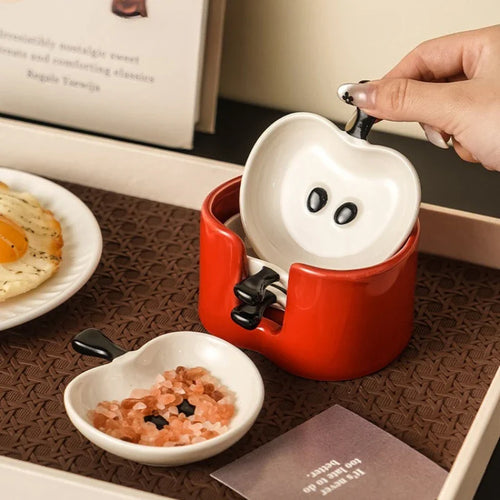
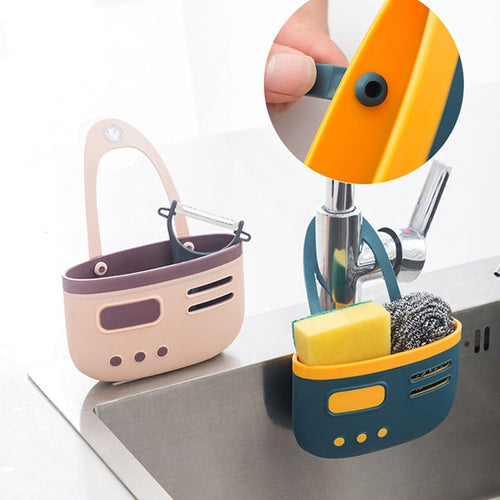
Lifestyle images do that work for them. Put the object in a room, on a desk, in a hand, and half the questions answer themselves before anyone reads a word.
When the product looks cool but its use isn't obvious
This is the biggest one for anything genuinely inventive. Multifunctional furniture, storage with hidden compartments, smart home accessories that don't resemble anything traditional, hybrid pieces that are half one thing and half another — all of these are visually interesting and functionally opaque.
For unusual home, furniture, décor, lighting, kitchen, and gadget products, lifestyle product rendering can show the item inside a realistic scene, helping shoppers understand scale, use case, material, and mood before they decide whether it belongs in their life. A folding side table photographed alone is a puzzle. The same table shown open beside a sofa with a mug on it is instantly legible — and the folded version in the next shot suddenly reads as a feature rather than a mystery.
When size is impossible to judge
Scale is the silent killer of online product satisfaction, and it's worst for small unusual items where there's no mental reference point.
Desk accessories, organisers, compact lamps, kitchen tools, bathroom gadgets, pet products — all of these arrive smaller or bigger than expected with depressing regularity. A product shot on white gives your brain nothing to calibrate against, so it just guesses, usually generously.
The fix costs nothing — put something familiar in the frame:
A hand holding it, for anything small enough to pick up
A desk with a laptop beside it, for office and tech accessories
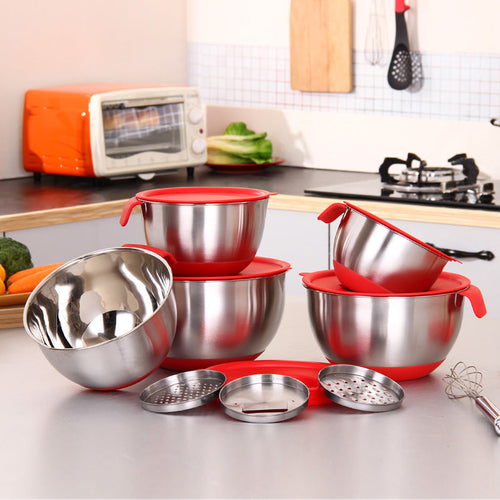
A kitchen counter or a standard mug, for cookware and gadgets
A person sitting or standing next to it, for furniture and lamps
A cat or dog, for pet products (which also makes the shot considerably more clickable)
When a product is part gadget, part décor
There's a whole category of things now that have to work and look good sitting out. Speaker tables. Smart lamps. Charging stations that live on a nightstand. Aesthetic desk tools. Decorative storage that's genuinely storage.
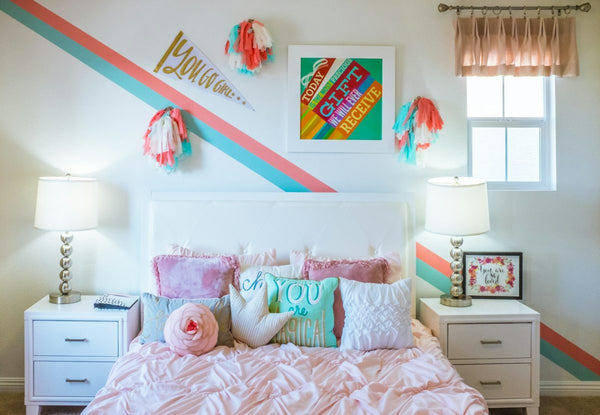
These are bought on two criteria simultaneously, which means a technical product shot only satisfies half the question. Someone considering a smart lamp wants to know what it does, yes — but also whether it looks like a piece of consumer electronics or like something they'd actually want on a shelf. Only a room scene answers that. The product needs to be shown in a space that resembles the buyer's, doing its job, looking like it belongs there.
When the product is giftable but needs a story
An enormous amount of unusual-product buying is gift buying, and gifts have a different mental test. The question isn't "do I want this?" It's "would they like this?"
That's much easier to answer when the imagery suggests a person. A desk gadget shown in a proper work-from-home setup tells you it's for the friend who's always on calls. A quirky kitchen tool photographed mid-use suggests someone who actually cooks. A cosy reading corner, a gaming desk, a patio, a pet's spot in the corner — each of these scenes casts a recipient.
Without that context, an unusual product risks reading as a novelty nobody asked for. With it, it reads as thoughtful.
When materials decide whether it feels premium
Odd shapes attract attention, but material is what decides whether something feels worth the money or feels like tat. And material is exactly what a small, flat product photo flattens out of existence.
Wood grain, the weight of a brushed metal finish, whether a fabric is soft or scratchy, the difference between glossy and matte plastic, the depth of a glaze on ceramic, the texture of leather — these are the details that separate a £15 object from a £60 one, and they only come through in close-ups and well-lit scenes.
Visual-production partners such as CGIFurniture show how ecommerce brands can support one product with lifestyle renders, flatlays, 360° views, product animations, texturing, AR-ready assets, and other visual formats for different shopping moments. As a shopper, the practical takeaway is to hunt for the close-ups. If a listing won't show you the surface up close, there may be a reason.
When one product needs more than one visual format
Different questions want different images, and the best listings cover several.
Format |
What it answers |
White-background image |
What is this thing? |
Lifestyle scene |
Where does it belong? |
Flatlay |
How does it look styled, and with what? |
360° view |
What's it like from every side? |
Animation |
How does it move, open, or work? |
AR model |
Will it actually fit my space? |
Most unusual products only really need two or three of these. The trick is picking the ones that resolve the specific confusion your product creates.
When the product is strange enough to need trust
Here's the flip side. Unusual products can read as gimmicky, and weak visuals make that worse. A wild-looking gadget with three low-resolution photos and no context feels like something that'll arrive flimsy and disappoint.
Realistic scenes push back against that. Showing the product doing its job, in an ordinary home, at its actual size, signals that it's a real thing made by people who thought about it.
The important caveat is honesty. Scenes shot to make an item look bigger, more substantial, or more capable than it is will convert a sale now into a return and a bad review later. Context should explain the product, not oversell it — and with unusual items, where buyers are already slightly unsure, getting caught exaggerating is particularly costly.
Make the unfamiliar understandable
Unusual products don't need to become ordinary. The strangeness is the appeal — it's why someone stopped scrolling in the first place. What they need is enough context that the surprise turns into understanding rather than confusion.
A good lifestyle image keeps everything interesting about a product and simply gives it somewhere to live: a desk, a kitchen counter, a corner of a room, a pair of hands. That's usually all it takes to move someone from huh to actually, I know exactly where I'd put that.
Yazan
Mavigadget
Home & Kitchen, MaviGadget
Mavigadget, MaviGadget Dergisi için yazıyor, gününüzü değiştireceğini vaat eden cihazları test ediyor ve gerçekten işe yarayanlar hakkında dürüstçe rapor veriyor.