Fashion & Accessories
Accessories Examples: What Are They and Why Do They Matter?
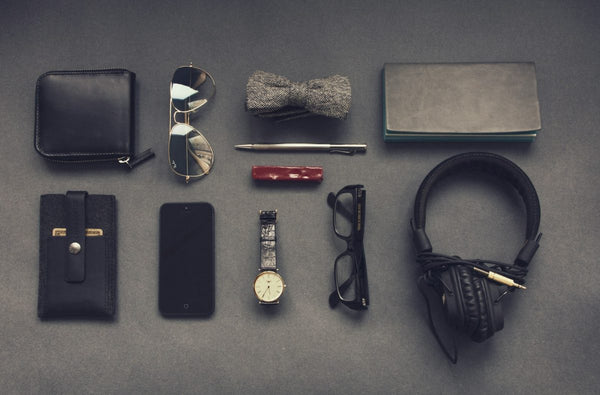
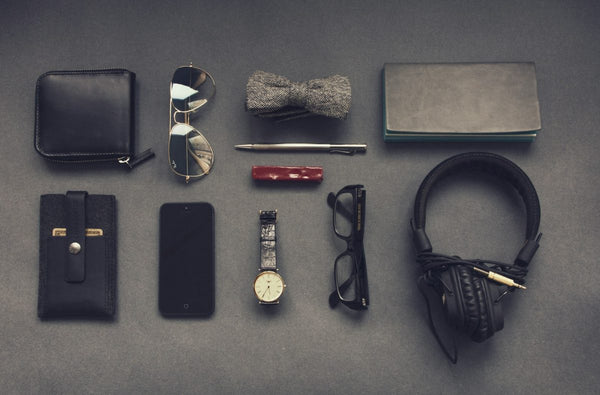
Accessories are functional or decorative items that complement your main outfit or device, enhancing style or utility. Common examples include jewelry, bags, watches, scarves, and hats, each serving a distinct purpose.
Accessories are items that complement and enhance your main outfit or primary device, serving either a functional purpose, a decorative one, or both. Think of them as the finishing touches that complete a look, adding personal style and practical utility.
Key Takeaways
- Accessories are supplemental items that enhance an outfit or primary object, offering style or function.
- Common categories include jewelry, bags, watches, scarves, hats, belts, and eyewear.
- They allow for personal expression and can drastically change an outfit's perceived formality or casualness.
- Many accessories, like a smartwatch or a backpack, blend both practical utility and aesthetic appeal.
What Exactly Are Accessories?
Accessories are items that aren't the primary clothing or device but are used to enhance it. They can be purely decorative, like a statement necklace, or highly functional, such as a sturdy backpack. The core idea is that they add to, rather than form, the basic structure of what you're wearing or using. For example, a shirt and pants are clothing, but the belt holding up those pants is an accessory.
What are common examples of fashion accessories?
Fashion accessories are diverse and fall into several main categories, each offering unique ways to express personal style. These are the items most people think of when discussing accessories.
Jewelry
Jewelry includes items worn for personal adornment. Materials range from precious metals like gold and silver to beads, leather, and fabric.
- Necklaces: From delicate chains with a single pendant to chunky statement pieces. A common pendant size is 1 inch, often on an 18-inch chain.
- Earrings: Studs, hoops, dangles, and cuffs. Diamond studs are often measured in carats, with 0.25 carat per ear being a popular choice.
- Bracelets: Bangles, cuffs, chain bracelets, and charm bracelets. Many bangles have an internal diameter of about 2.5 inches.
- Rings: Engagement rings, wedding bands, fashion rings, and signet rings. Standard ring sizes in the US range from 3 to 13.
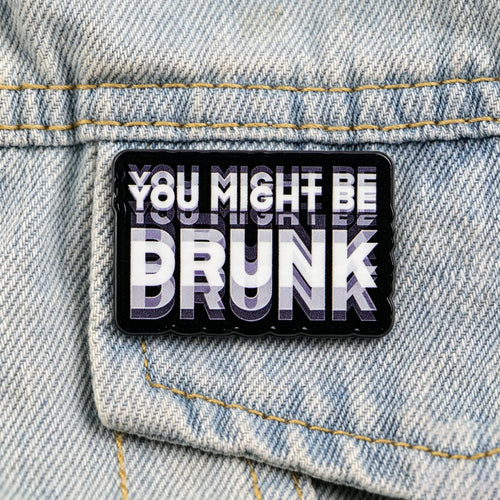
- Brooches/Pins: Decorative clasps or ornaments pinned to clothing, often 1-3 inches in diameter.
Bags
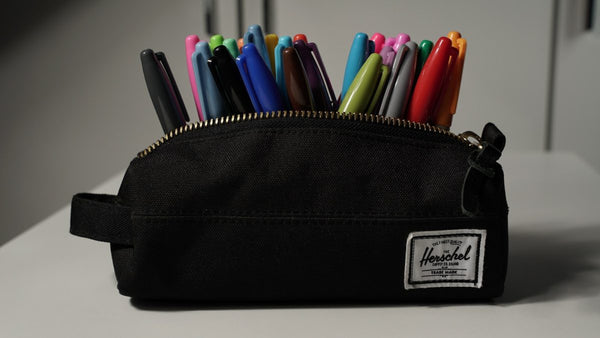
Bags are primarily functional for carrying items but are also significant style statements.
- Handbags: Purses, clutches, shoulder bags, cross-body bags, and satchels. A typical mid-sized handbag might be 10 inches wide by 8 inches high.
- Backpacks: Ranging from small fashion backpacks to large utility packs. A standard daypack capacity is around 20-30 liters.
- Totes: Open-top bags, often larger, used for shopping or daily essentials. Many canvas totes are 15 inches wide by 16 inches tall.
- Wallets/Cardholders: Small cases for currency, cards, and IDs. A bifold wallet typically measures 4.5 inches by 3.5 inches when closed.
Watches
Watches are both time-telling devices and prominent fashion items.
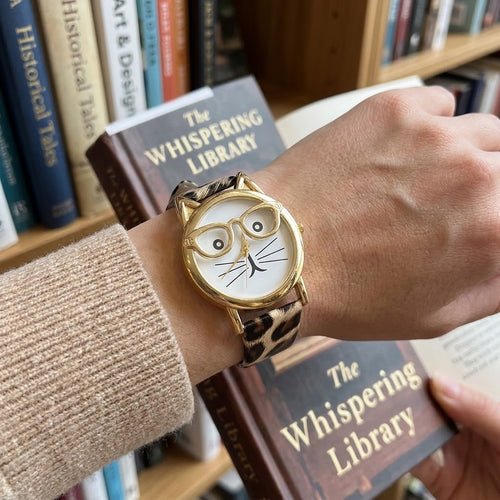
- Analog Watches: Traditional watches with hands and a dial. Case sizes often range from 34mm to 44mm in diameter.
- Digital Watches: Display time numerically. Many sports watches have a case size around 40mm.
- Smartwatches: Offer additional functions like fitness tracking, notifications, and mobile payments. Apple Watch Series 9, for example, comes in 41mm and 45mm case sizes.
Headwear
Items worn on the head for style, warmth, or sun protection.
- Hats: Fedoras, baseball caps, beanies, sun hats. A standard baseball cap often has an adjustable strap fitting head circumferences from 21 to 24 inches.
- Headbands: Fabric or rigid bands worn around the head.
- Scarves: Worn around the neck, head, or even tied to a bag. A common square silk scarf is 35 inches by 35 inches.
Belts
Used to hold up clothing or simply to cinch a waist and add definition.
- Leather Belts: Classic and durable. Widths typically range from 1 inch for dress belts to 1.5 inches for casual belts.
- Fabric Belts: More casual, often braided or woven.
Eyewear
Both functional for vision correction or sun protection, and a key style element.
- Sunglasses: Protect eyes from UV rays. Many lenses offer 100% UV protection.
- Eyeglasses: Prescription glasses are now often chosen for their frame style as much as their corrective lenses.
How do accessories differ from clothing?
The main distinction is that clothing forms the base layer of an outfit, while accessories are supplemental. Clothing items like shirts, pants, and dresses are usually larger and define the primary silhouette. Accessories, by contrast, are generally smaller, more easily interchangeable, and serve to embellish or complement that core clothing. You build an outfit with clothing, and then you personalize it with accessories. For instance, a plain black dress is clothing, but adding a colorful scarf, a silver necklace, and a clutch bag transforms the entire look.
Why do accessories matter for personal style?
Accessories are crucial for personal style because they offer an easy, often affordable, way to express individuality and adapt an outfit for different occasions. You can wear the same basic shirt and jeans, but by swapping a casual canvas tote for a sleek leather cross-body bag and adding a watch, you completely change the vibe. They allow for subtle nuances or bold statements. A simple outfit can become elegant with a pearl necklace, or edgy with a studded belt. They are also excellent for adding pops of color, texture, or pattern without committing to a full garment.
Can accessories be purely functional?
Absolutely. While many accessories have a decorative aspect, some are almost entirely functional.
- Keychains: Primarily for organizing keys, though many have decorative charms.
- Hair ties/clips: Keep hair in place. A standard elastic hair tie has a diameter of about 2 inches.
- Gloves: Provide warmth or protection, like winter gloves or gardening gloves.
- Umbrellas: Offer protection from rain or sun. A compact travel umbrella might fold down to 12 inches.
- Tech accessories: Phone cases, laptop sleeves, and portable chargers are prime examples. A standard phone case adds only a few millimeters to a phone's dimensions. These protect devices and extend their utility.
Are there "rules" for wearing accessories?
While fashion is subjective, some general guidelines can help. The main "rule" is often "less is more." Over-accessorizing can make an outfit look cluttered rather than cohesive.
- Balance: If you wear a large, statement necklace, you might opt for smaller, simpler earrings.
- Proportion: Choose accessories that suit your body frame and the scale of your clothing. A petite person might be overwhelmed by a very large tote bag.
- Occasion: A delicate gold chain is perfect for a formal event, while a chunky beaded necklace might suit a casual brunch.
- Color and Texture: Use accessories to introduce complementary or contrasting colors and textures to your outfit. A solid outfit can benefit from a patterned scarf.
Ultimately, the best accessories are those that make you feel confident and reflect your personal taste. Don't be afraid to experiment to find what works for you.
Yazan
Cloe
Fashion & Accessories, MaviGadget
Cloe, MaviGadget Dergisi için yazıyor, gününüzü değiştirmeyi vaat eden cihazları test ediyor ve gerçekten işe yarayanlar hakkında dürüstçe rapor veriyor.