Outdoor & Travel
Summer Essentials: 5 Must-Haves for Your Best Summer 2024
Planning your summer adventures? This guide focuses on five essential items to enhance your experience, from portable power to bug protection, ensuring you're prepared for anything.

Planning your summer adventures? You'll want to pack smart, and these five essentials will make your 2024 much smoother. This isn't just a list; it's a guide to what genuinely enhances your outdoor experience.
Key takeaways:
- A 20,000 mAh portable power bank can recharge a smartphone 4-6 times.
- Insulated water bottles keep drinks cold for 12-24 hours.
- Insect repellents with 20% DEET or Picaridin offer 6-8 hours of protection.
- Microfiber towels dry 3x faster and weigh 80% less than cotton.
- A UPF 50+ hat blocks over 98% of UV radiation.
1. Portable Power Bank: Stay Charged Anywhere
A reliable portable power bank is non-negotiable for summer 2024. Your phone is your map, camera, and emergency contact, and dead batteries are a real buzzkill. Don't get caught searching for an outlet when you're miles from civilization or just at a crowded beach.
Why is a power bank essential for summer?
It's essential because summer often means more time outdoors, away from wall sockets. Think long hikes, beach days, camping trips, or even just extended travel. A power bank keeps your devices, like smartphones, wireless earbuds, and e-readers, alive and ready.
What should I look for in a good power bank?
Look for capacity, measured in milliampere-hours (mAh). For general summer use, a 10,000 mAh bank is a good minimum, offering 2-3 full phone charges. If you're going off-grid for longer, a 20,000 mAh or 30,000 mAh unit is better, providing 4-7 charges. Also, check for multiple output ports (USB-A and USB-C) and fast-charging capabilities (e.g., Power Delivery or Quick Charge 3.0) to top up devices quickly. Many modern phones now use USB-C, so ensure compatibility.
Who needs this most?
Anyone spending significant time outdoors, traveling, or relying on their phone for navigation or photos. If your summer plans involve camping, music festivals, or long days exploring, this is for you.
Who can skip it?
If your summer involves mostly staying home or always being near a power outlet, you might not need a high-capacity one. A small, pocket-sized 5,000 mAh bank might suffice for a quick boost.
2. Insulated Water Bottle: Hydration is Key
Staying hydrated in the summer heat is critical, and a good insulated water bottle makes it easy. Warm water on a hot day is nobody's friend. These bottles keep your drinks cold for hours, making every sip refreshing.
How do insulated water bottles work?
They use a double-walled, vacuum-sealed design. This creates a barrier that prevents heat transfer, keeping cold liquids cold for 12-24 hours and hot liquids hot for 6-12 hours. Most are made from food-grade stainless steel, which doesn't retain flavors.
What features matter most?
Capacity is important; 20-32 ounces (around 600-950ml) is a good range for personal use throughout the day. Look for a wide mouth for easy cleaning and adding ice cubes. A leak-proof lid is also a must, especially if it's rattling around in a backpack. Some come with straw lids or chug lids, offering different drinking experiences.
Why is this better than a regular bottle?
A regular plastic bottle lets your drink warm up fast, often within an hour or two in direct sunlight. An insulated bottle keeps your water icy cold for an entire beach day or hike, encouraging you to drink more and stay properly hydrated without constant refills or refrigeration.
The catch:
They can be heavier and bulkier than single-wall bottles, and often more expensive. If weight is your absolute top priority for ultralight backpacking, a lighter, non-insulated option might be considered, but you'll sacrifice cold drinks.
3. Broad-Spectrum Insect Repellent: Keep Bugs Away
Summer means bugs, especially mosquitoes and ticks. Don't let itchy bites or the worry of insect-borne diseases ruin your outdoor fun. A good insect repellent is a simple yet powerful defense.
What kind of repellent is most effective?
Look for repellents containing either DEET (N,N-diethyl-meta-toluamide) or Picaridin. Both are highly effective. For most summer activities, a concentration of 20% DEET or 20% Picaridin provides 6-8 hours of protection against mosquitoes and ticks. For shorter exposure or sensitive skin, lower concentrations exist, but you'll need to reapply more often. Lemon Eucalyptus oil (OLE) is a plant-based alternative that also works, typically offering 4-6 hours of protection at 30% concentration.
How should I apply it?
Apply repellent to exposed skin. Avoid applying it under clothing. If you're also using sunscreen, apply the sunscreen first, let it absorb for about 15-20 minutes, then apply the insect repellent. Don't spray directly onto your face; spray it into your hands and then pat it onto your face, avoiding eyes and mouth.
Who absolutely needs this?
Anyone spending time near water, in wooded areas, or out during dawn and dusk, when mosquitoes are most active. This is crucial for campers, hikers, gardeners, and anyone enjoying evening outdoor gatherings.
What's a common mistake?
Forgetting to reapply after swimming or sweating heavily. Repellent wears off, especially with water exposure, so check the product instructions for reapplication intervals.
4. Quick-Dry Microfiber Towel: Light and Efficient
Ditch the bulky cotton towels for summer. A quick-dry microfiber towel is a game-changer for beach trips, camping, gym visits, or any travel where space and drying time matter.
What makes microfiber towels so good?
They are made from synthetic fibers (usually a blend of polyester and polyamide) that are much finer than cotton. This allows them to absorb several times their weight in water and, crucially, dry significantly faster. They can dry in about 1-2 hours in sunlight, compared to 4-6 hours for a cotton towel.
What sizes should I consider?
They come in various sizes. A large beach or bath size (around 30x60 inches or 75x150 cm) is great for lounging or full body drying. A medium size (20x40 inches or 50x100 cm) works well for gym, hair, or hand drying. They typically fold down to about 80% smaller than a comparable cotton towel.
Benefits for summer travel?
Their compact size and light weight (often under 10 ounces for a large one) save precious luggage space and weight. Since they dry quickly, you avoid packing a damp, mildewy towel, which is a huge bonus on multi-day trips.
The trade-off:
Microfiber can feel different than cotton. Some people find the texture less plush or "grabby" on the skin. Also, they shouldn't be washed with fabric softener, as it can reduce their absorbency.
5. Sun Protection (Hat and Sunglasses): Guard Against UV
Sunburns and eye damage are serious business. Proper sun protection isn't just about comfort; it's about long-term health. A good wide-brimmed hat and quality sunglasses are your first line of defense.
Why specifically a hat and sunglasses?
While sunscreen is vital for exposed skin, a hat provides continuous, physical protection for your face, neck, and ears, areas highly susceptible to sun damage. Sunglasses protect your eyes from harmful UV rays, which can contribute to cataracts and other eye conditions over time.
What should I look for in a sun hat?
Choose a wide-brimmed hat (at least 3 inches wide) that offers shade to your face, ears, and neck. Look for hats with a UPF (Ultraviolet Protection Factor) rating of 50+. This means it blocks over 98% of harmful UV radiation. Materials like tightly woven nylon or polyester are common.
What about sunglasses?
Ensure your sunglasses block 99-100% of both UVA and UVB rays. Look for labels like "UV400" or "100% UV protection." Polarized lenses are a bonus, reducing glare from surfaces like water or roads, but polarization itself doesn't indicate UV protection.
Who needs this the most?
Everyone. Sun protection is universal. However, those spending extended time outdoors for activities like fishing, boating, hiking, or beach lounging need to be especially diligent.
Common mistake:
Assuming darker lenses mean better UV protection. Lens darkness has no bearing on UV filtering. Always check for the UV protection rating.
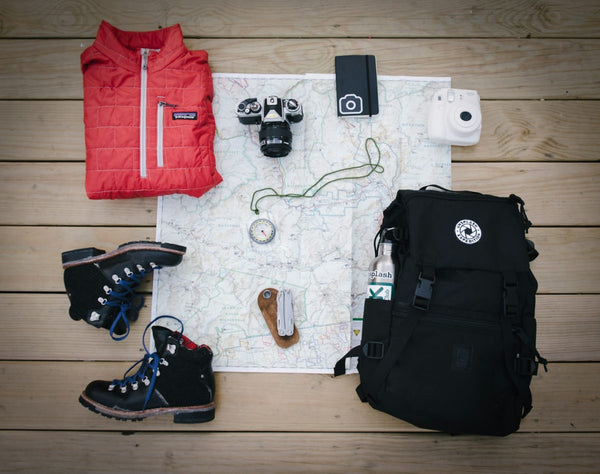
Photo by Warren Umoh on Unsplash
Geschrieben von
Arthur
Outdoor & Travel, MaviGadget
Arthur schreibt für das MaviGadget Journal, testet die Gadgets, die versprechen, Ihren Tag zu verändern, und berichtet ehrlich über diejenigen, die es tatsächlich tun.