Fashion & Accessories
Clothing and Accessories: Examples and What Makes Them Different
Explore common examples of clothing and accessories, understanding their distinct roles in personal style. This guide clarifies how each item functions and contributes to an outfit.

Clothing refers to items worn directly on the body for covering, protection, or modesty, like shirts, pants, and dresses. Accessories are supplementary items that complement an outfit, adding style, function, or both, such as watches, scarves, and handbags. The key distinction lies in their primary role: clothing is foundational, while accessories enhance.
Key Takeaways
- Clothing items like shirts and pants provide direct body coverage and form the base of an outfit.
- Accessories, including jewelry, bags, and hats, are supplementary items that enhance style or add functionality.
- The primary difference is that clothing is essential for covering the body, while accessories are optional additions.
- Shoes are generally considered accessories due to their complementary role and protective function for feet.
What is Clothing?
Clothing encompasses all garments worn directly on the body. Its primary purpose is to cover, protect, and provide comfort to the wearer. Historically, clothing evolved from basic animal skins for warmth to complex textile constructions for varied climates and social expressions. Today, clothing serves practical needs like temperature regulation and modesty, but also plays a huge role in personal expression and identity.
Think about it: A simple t-shirt offers basic coverage. A heavy winter coat protects you from sub-zero temperatures. A formal dress adheres to a specific dress code. These items are fundamental to getting dressed each day. In 2024, the global apparel market is valued in the trillions, showcasing its universal importance.
Specific Examples of Clothing
Clothing examples are vast and cover every part of the body. Here are some common categories:
- Tops: T-shirts, shirts (button-down, polo), blouses, sweaters, hoodies, tank tops, camisoles. A standard cotton t-shirt, for instance, typically weighs between 4.5 to 6.5 ounces.
- Bottoms: Pants (jeans, trousers, cargo pants, chinos), shorts, skirts (mini, midi, maxi), leggings, sweatpants. A pair of men's denim jeans often has an inseam ranging from 30 to 34 inches.
- Dresses & Jumpsuits: Dresses (cocktail, maxi, slip, formal), jumpsuits, rompers. A typical women's maxi dress can measure 50 to 60 inches from shoulder to hem.
- Outerwear: Jackets (denim, leather, bomber), coats (trench, puffer, wool), blazers, vests. A standard men's denim jacket might have a chest measurement of 40-42 inches for a size large.
- Undergarments: Bras, underwear, socks, hosiery, undershirts. A pair of men's crew socks is usually about 8-10 inches from heel to cuff.
- Sleepwear: Pajamas, nightgowns, robes.
What are Accessories?
Accessories are items that complement an outfit rather than forming its core. They are not essential for covering the body but add style, provide functionality, or express individuality. Accessories can transform a simple outfit into something unique or sophisticated. They often serve as finishing touches.
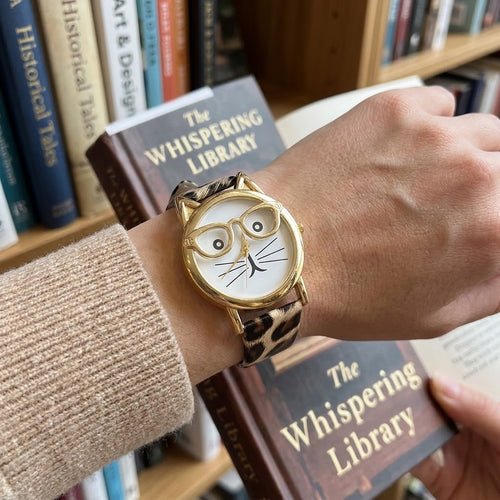
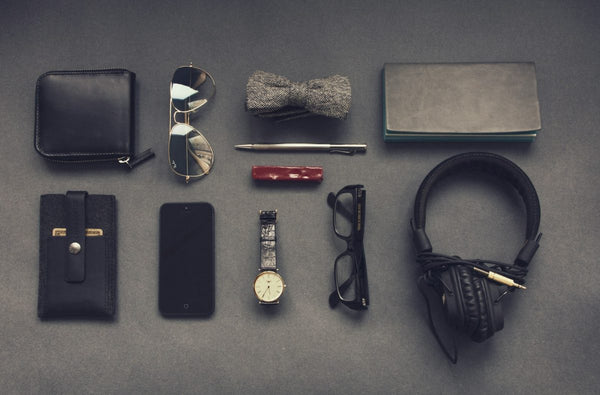
For example, a watch tells time and adds a touch of elegance to a wrist. A handbag carries essentials like a phone and wallet while also contributing to the overall aesthetic. These items are distinct from the clothes themselves but work in tandem to complete a look. The global market for fashion accessories alone is projected to reach over $700 billion by 2030, showing their significant role.
Specific Examples of Accessories
Accessories are incredibly diverse, covering everything from head to toe.
- Jewelry: Necklaces, earrings, rings, bracelets, brooches, watches. A typical men's watch face might be 38-42mm in diameter.
- Bags: Handbags, clutches, wallets, backpacks, briefcases, tote bags. A standard women's tote bag can be around 13-15 inches wide and 10-12 inches high.
- Headwear: Hats (baseball caps, beanies, fedoras), headbands, scarves (for hair). A typical baseball cap has an adjustable strap or a circumference of about 22 inches.
- Footwear: Shoes (sneakers, heels, boots, sandals, flats), socks (when chosen for style rather than purely function). A men's size 9 shoe typically measures about 10.5 inches in length.
- Belts: Leather belts, fabric belts, chain belts. A common men's belt width is 1.25 to 1.5 inches.
- Eyewear: Sunglasses, prescription glasses (when chosen for style). Standard adult sunglasses often have a lens width of 50-60mm.
- Other: Gloves, ties, bow ties, pocket squares, keychains.
The Main Difference: Clothing vs. Accessories
The fundamental distinction boils down to primary function and necessity. Clothing is the foundational layer, providing coverage and protection. Accessories are supplementary items that enhance or complete the look. You technically need clothing to be dressed, but accessories are optional additions that elevate the outfit.
Think about it this way: You wouldn't typically wear just a necklace and call it an outfit. You'd wear a shirt and pants, then add the necklace. The clothing is the canvas; the accessories are the paint.
Here's a quick comparison:
| Feature | Clothing | Accessories |
|---|---|---|
| Primary Function | Covers and protects the body | Enhances style, adds function |
| Necessity | Essential for being dressed | Optional additions to an outfit |
| Role | Forms the base of an outfit | Complements and completes an outfit |
| Examples | Shirts, pants, dresses, coats | Jewelry, bags, watches, belts, shoes |
| Impact on Outfit | Defines the overall silhouette and coverage | Adds detail, personality, and focal points |
Why Does This Distinction Matter?
Understanding the difference helps you build a versatile wardrobe and style outfits effectively. When you know an item is clothing, you prioritize its fit, comfort, and suitability for the occasion. For accessories, you focus on how they complement colors, textures, and the overall mood of your attire.
It also impacts purchasing decisions. You might invest more in high-quality, foundational clothing pieces that last years, like a well-made coat or a versatile pair of jeans. Accessories, while still important for quality, often allow for more trend-driven or playful choices, like a statement necklace or a fashionable handbag, which can be swapped out more frequently. Knowing this helps you budget and shop smarter. For instance, a classic leather belt might cost $50-100, while a basic t-shirt could be $15-30.
Are Shoes Clothing or Accessories?
Shoes are generally classified as accessories. While they are crucial for protecting the feet and enabling movement, their primary role within an outfit is to complement the clothing and add to the overall style. They are not worn for body coverage in the same way a shirt or pants are.
Consider a formal suit: the jacket, trousers, and shirt are the clothing. The tie, pocket square, watch, and dress shoes are the accessories that complete the look. Shoes, like a handbag or a belt, enhance the outfit and provide specific utility (foot protection, traction) without being the main garment. A pair of men's dress shoes, for example, typically weighs around 1.5 to 2.5 pounds.
The Catch: Sometimes Lines Blur (But Not Really)
While the definitions are clear, sometimes people get confused. For instance, a very ornate belt might feel like a central part of an outfit, but its core function is still to cinch the waist or hold up pants, making it an accessory. Similarly, a highly decorative scarf can be the focal point, but it's still an addition to a primary garment. The key is to always consider the item's fundamental purpose: does it cover the body or does it enhance what's already covering the body? That's your answer.
Photo by Vadim Sherbakov on Unsplash
Geschrieben von
Kevin
Fashion & Accessories, MaviGadget
Kevin schreibt für das MaviGadget Journal, testet die Gadgets, die versprechen, Ihren Tag zu verändern, und berichtet ehrlich über diejenigen, die es tatsächlich tun.