Home & Kitchen
Kitchen Sink Strainer Types Explained: Which One Do You Need?
Learn about the different types of kitchen sink strainers, including basket, mesh, and disposer models, to pick the best one for your home.
Choosing the right kitchen sink strainer depends entirely on your sink setup and what you need it to do. The main types are basket, mesh, and disposer strainers, each suited for different purposes like catching large debris or protecting a garbage disposal.
Key takeaways:
- Most kitchen sink drains are a standard 3.5 inches, but always measure yours.
- Basket strainers catch larger food scraps and have a removable cup.
- Mesh strainers offer finer filtration for smaller particles like rice.
- Disposer strainers are made specifically for sinks with garbage disposals.
What are the main types of kitchen sink strainers?
The three main types of kitchen sink strainers are basket strainers, mesh strainers, and disposer strainers. Each type serves a distinct function for managing debris in your sink. Understanding these differences helps you pick the most effective one for your kitchen.
Basket strainers are the most common type. They feature a removable cup or basket with larger perforations designed to catch bigger food scraps and debris. You can easily lift them out to empty the contents into the trash. Many also have a stopper mechanism to seal the drain for filling the sink.
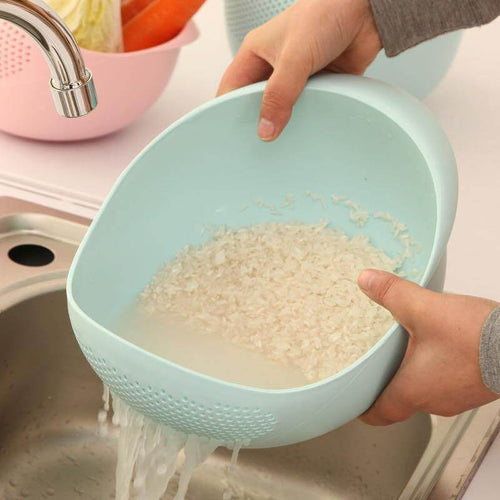
Mesh strainers, sometimes called fine mesh strainers, have very small holes or a fine screen. These are excellent for trapping tiny particles that basket strainers might miss, such as rice, coffee grounds, or small vegetable peelings. They sit directly over the drain opening.
Disposer strainers are specifically designed for sinks that have a garbage disposal unit. They typically have wider openings to allow water to flow freely into the disposal while still preventing larger, unwanted items like silverware or bottle caps from falling in. Some also have a splash guard built-in.
What's the most common size for a kitchen sink strainer?
The most common size for a kitchen sink strainer opening is 3.5 inches in diameter. This standard size fits the vast majority of residential kitchen sink drains. However, some older sinks or specialty utility sinks might have smaller openings, such as 2 inches or 2.5 inches. It's always best to measure your drain opening before purchasing a new strainer to ensure a perfect fit. You'll want to measure the inner diameter of the drain hole, not the flange itself.
Which strainer type is best for catching small food particles?
A mesh strainer is unequivocally the best type for catching small food particles. Its fine screen or numerous tiny perforations are specifically designed to trap even the smallest debris, like coffee grounds, rice, or fine vegetable scraps, which would easily pass through a standard basket strainer's larger holes. If you frequently rinse plates with tiny food bits, a mesh strainer will prevent these from going down your drain and potentially causing clogs.
When should I use a basket strainer versus a mesh strainer?
You should use a basket strainer when your primary concern is catching larger food scraps and having the ability to stop the drain. A basket strainer is ideal for general kitchen use, especially if you're scraping plates with significant food remnants or need to fill the sink with water. The removable cup makes emptying easy.
You should opt for a mesh strainer when you need to prevent very small particles from entering your drain. This is particularly useful if you frequently rinse items with fine debris like coffee grounds, tea leaves, or small pieces of pasta that a basket strainer would miss. Many people use a mesh strainer in addition to a basket strainer, or swap them out depending on the task.
Can I use a regular strainer with a garbage disposal?
While you can technically place a regular basket or mesh strainer over a garbage disposal, it's generally better to use a specific disposer strainer. Regular strainers, especially those with solid stoppers, can impede the proper flow of water into the disposal or even get sucked into the unit if not designed for it. Disposer strainers are engineered to allow ample water flow for the disposal to work effectively while still preventing large non-food items from falling in. They often have specific designs that double as splash guards.
What materials are kitchen sink strainers made from?
Kitchen sink strainers are typically made from stainless steel, silicone, or rubber. Stainless steel is the most common and durable material. It's resistant to rust, corrosion, and everyday wear and tear, making it a long-lasting option for both basket and mesh strainers. Many stainless steel strainers are also dishwasher safe.
Silicone and rubber strainers are generally more flexible and often come in various colors. They are popular for mesh-style strainers or as simple drop-in stoppers. These materials are gentle on sink surfaces and are easy to clean, though they might not last as long as stainless steel under heavy use. Some basket strainers combine a stainless steel body with a rubber stopper for a good seal.
How do I choose the right kitchen sink strainer for my needs?
To choose the right kitchen sink strainer, first, measure your sink's drain opening. Most are 3.5 inches, but confirming this is crucial. Next, consider if you have a garbage disposal. If yes, a dedicated disposer strainer is your best bet. If not, decide whether you primarily need to catch large debris (basket strainer) or fine particles (mesh strainer). You can also combine types, using a basket strainer for daily use and a mesh strainer for specific tasks like rinsing rice.
Here's a quick comparison:
| Feature | Basket Strainer | Mesh Strainer | Disposer Strainer |
|---|---|---|---|
| Primary Use | Catch large food scraps, stop drain | Trap fine particles (rice, coffee grounds) | Protect garbage disposal, allow water flow |
| Hole Size | Larger perforations | Very small holes or fine screen | Wider openings, often with splash guards |
| Drain Stopping | Often includes a stopper | Rarely includes a stopper | Does not stop drain, allows continuous flow |
| Typical Material | Stainless steel, rubber stopper | Stainless steel, silicone | Stainless steel, rubber |
| Ideal For | Sinks without disposals, general debris | Sinks without disposals, fine debris | Sinks with garbage disposals |
How often should I clean my kitchen sink strainer?
You should clean your kitchen sink strainer daily, or after each significant use, to prevent clogs and odors. Food particles left in the strainer can quickly start to decompose, leading to unpleasant smells and bacterial growth. For basket strainers, simply lift out the basket, empty the contents into the trash, and rinse it under hot water. For mesh strainers, you might need a small brush or a strong spray of water to dislodge trapped particles. A quick wipe down with a dishcloth and soap a few times a week will also help keep it sanitary.
What are some common mistakes to avoid with kitchen sink strainers?
One common mistake is not emptying the strainer regularly. Leaving food waste in the strainer allows it to decompose, creating odors and attracting pests. Another error is forcing too much down the drain, overwhelming the strainer and potentially causing a backup. Using a regular strainer with a garbage disposal can also be a mistake, as it might block water flow or get damaged by the disposal. Lastly, ignoring the drain size and buying the wrong size strainer is a common oversight; always measure your sink opening first. A 3.5-inch opening is standard, but not universal.
Escrito por
Cloe
Home & Kitchen, MaviGadget
Cloe escreve para o MaviGadget Journal, testando os gadgets que prometem mudar o seu dia e relatando honestamente aqueles que realmente o fazem.