Smart Sink, Clear Counter: A Kitchen Reset
A smart sink can streamline prep, washing, and the small reset that keeps a kitchen counter clear.

A smart sink begins with the way you use the counter
A smart sink is not only a fixture at the center of a kitchen. It is the point where rinsing, prep, washing, and tidying meet. When that zone is designed around your daily rhythm, the whole room can feel calmer. The aim is not to make every surface look like a showroom. It is to make ordinary tasks easier to start, easier to pause, and easier to finish.
A thoughtful sink area begins with a simple question: what usually collects around it? A cutting board, rinsed produce, a mug, a pan, or a stack of dishes all need a temporary place. Giving each task a defined zone prevents the counter from becoming a holding area for everything at once. That is where a smart sink layout earns its place.
Give the work area a clear order
Start with the space immediately to either side of the bowl. Keep the side you use most for preparation open, with only the tools you reach for every day nearby. A small tray for soap and a brush keeps wet items contained. A folded cloth can live close by, but it should dry between uses rather than stay bunched on the counter.
The other side can become a landing zone for washed items. If you use a drying rack, choose one that suits the amount you normally wash rather than the occasional large dinner. An oversized rack can create visual noise every day. A compact option, used consistently, often makes the smart sink area feel more intentional.
Think in sequence: bring items in, rinse, wash, set aside, then put away. When those movements do not cross over each other, even a busy kitchen feels less rushed.
Consider a built-in prep station
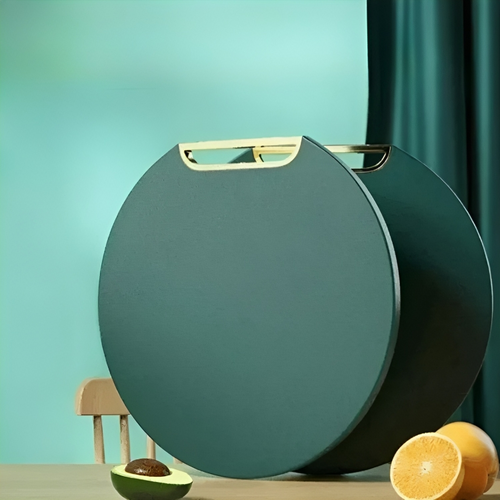
Some people prefer a sink with integrated accessories because the surface can shift with the task. A cutting board over one section, a removable basket for produce, or a compact draining area can help you use the same footprint in more than one way. The Elegant Black Nano Smart Kitchen Sink is designed around that kind of flexible kitchen workflow.
Integrated features are most useful when they solve a real constraint. In a smaller kitchen, they can free up counter room while you prepare ingredients. In a larger kitchen, they can simply keep the wet work contained in one area. Either way, take a moment to imagine the item in use: where will you place a pan, rinse vegetables, or rest a board while moving between steps?
A flexible setup works best when it remains easy to clean. Removable parts should be rinsed and dried after use. Clear the channels and edges rather than allowing crumbs or water to collect there. A smart sink should reduce friction, not add another complicated maintenance routine.
Make cleaning part of the finish
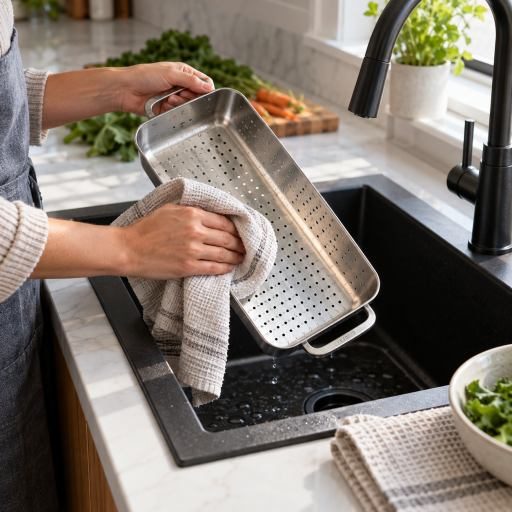
The fastest reset is a short one. After each meal, remove food scraps, rinse the bowl, wipe the faucet area, and leave the basin reasonably dry. This four-part habit takes little time and means the sink is ready for the next person who needs it.
For a deeper weekly reset, move any accessories out of the way and clean the corners, drain area, and surrounding counter. Use cleaning products that suit the fixture materials and follow the care guidance provided with the product. Avoid using abrasive tools simply because they feel powerful; preserving the finish is more useful than a harsh one-time scrub.
There is also a practical visual benefit to a clean sink zone. A clear, dry surface reflects light better and makes the room feel more spacious. That change matters most in compact kitchens where the sink is always in view.
Set up the faucet for real life
A good faucet routine has less to do with style than reach. Place soap, a brush, and a hand towel where they can be picked up with one motion. If a handle is difficult to reach around piled dishes, the arrangement needs adjusting. The best layout is the one you can use when you are tired, carrying a plate, or trying to clean up before leaving the house.
Keep only a few things on display. One refillable soap dispenser, one brush, and one small tray are enough for many kitchens. Extra bottles and tools can be kept inside a cabinet, ready when needed. This limited approach gives the smart sink area room to breathe.
Choose useful light, not more clutter
Sink lighting should help you see what you are doing. Daylight is ideal when available, but an under-cabinet light can make evening cleanup more comfortable. Aim the light toward the work surface rather than straight at your eyes. The goal is visibility around water, knives, and food preparation, not a dramatic effect.
If your kitchen has darker counters or cabinetry, a warmer, even light can soften the contrast. Pair it with a neutral cloth and a clear counter to create a space that is practical during the day and welcoming at night.
A smart sink plan for shared kitchens
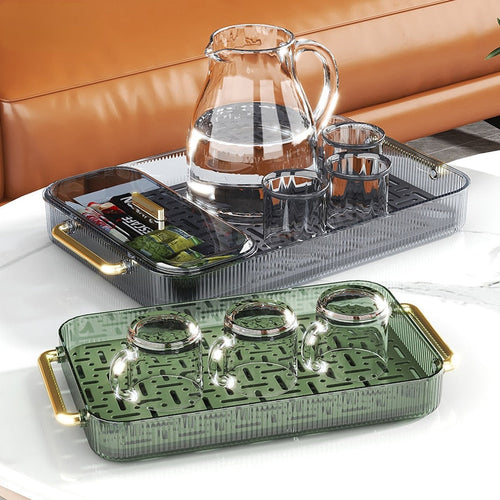
In a shared home, clarity beats rules written on a wall. Decide where clean dishes go, where used cloths should dry, and how long dishes can wait before they are washed. A small dish bin or tray can keep the sink from becoming blocked at the busiest time of day.
The same principle applies to children learning kitchen routines. Give them a safe, simple task such as placing cups in a designated area or wiping a dry surface. A predictable setup lets everyone participate without crowding the work zone.
The value is in the daily reset
A smart sink is most convincing when it supports a repeatable rhythm. It does not need to transform the kitchen overnight. It needs to make one daily task feel easier: rinsing produce, clearing breakfast, washing a pan, or restoring the counter before bed.
Start with one change this week. Clear the immediate counter, group the essentials, and create a small drying zone. Then notice where your hands naturally go. Those habits will show you which features are genuinely useful and which are only taking up space. A kitchen that works with your routine is the one you will keep using well.
Frequently asked questions
What makes a smart sink useful?
A smart sink is useful when its layout or integrated accessories make rinsing, prep, washing, and cleanup easier within the space you already have.
How do I keep a sink area from looking crowded?
Keep daily essentials to a minimum, store backups in a cabinet, and assign a clear spot for washed items and drying cloths.
Are integrated sink accessories difficult to maintain?
They should be removed, rinsed, and dried after use. Follow the product care guidance for the specific material and finish.
Často kladené dotazy
What makes a smart sink useful?
A smart sink is useful when its layout or integrated accessories make rinsing, prep, washing, and cleanup easier within the space you already have.
How do I keep a sink area from looking crowded?
Keep daily essentials to a minimum, store backups in a cabinet, and assign a clear spot for washed items and drying cloths.
Are integrated sink accessories difficult to maintain?
They should be removed, rinsed, and dried after use. Follow the product care guidance for the specific material and finish.
Zařazeno pod
Napsal
Mavigadget
Home & Kitchen, MaviGadget
Mavigadget píše pro MaviGadget Journal, testuje gadgety, které slibují, že vám změní den, a upřímně informuje o těch, které to skutečně dokážou.