



About Creative Corners
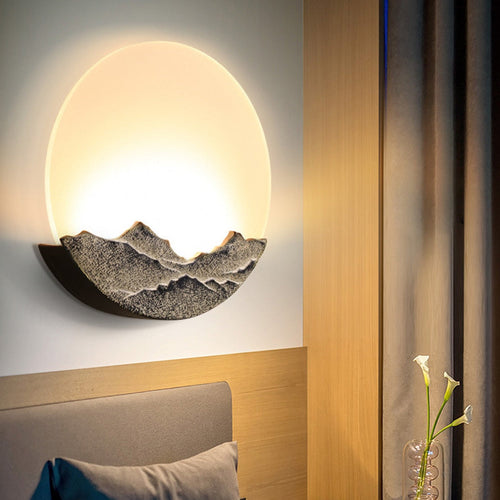
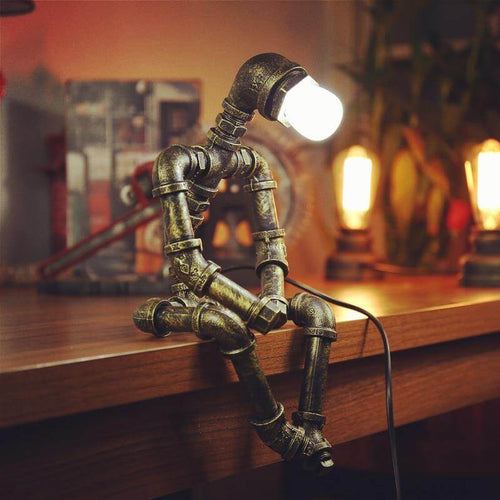
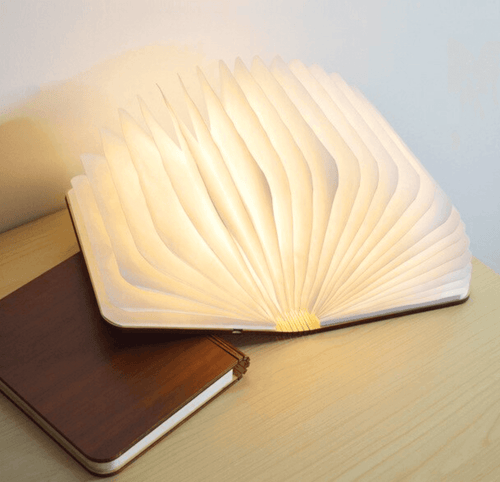
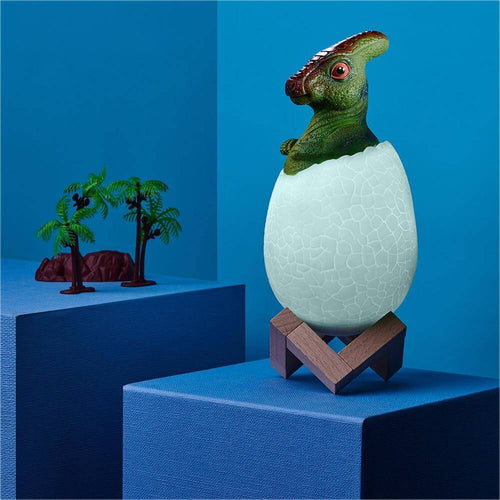
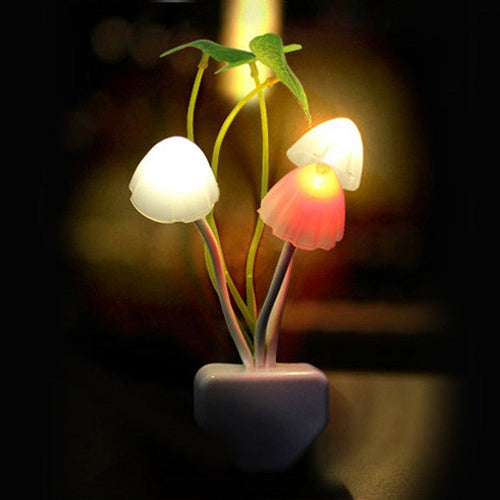
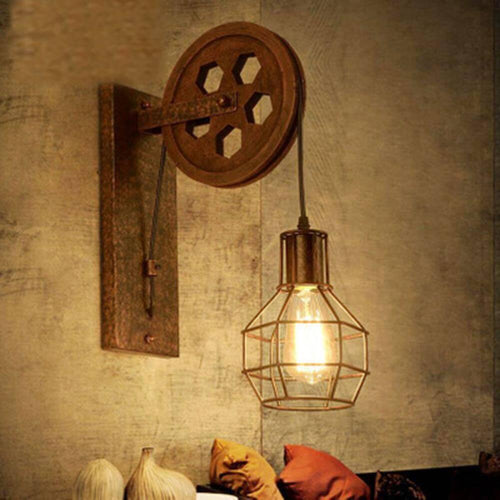
Start with what the corner is actually for. If you sit and work there, you need proper light and an ambient piece beside it, not instead of it. A 3D moon lamp or a magnetic levitating one gives you glow and shape; it will not light a book. If nobody sits there, the piece can be pure decoration and you can go bigger. A wall-mounted giraffe sculpture, a cloud-like feather chandelier or a lunar eclipse wall lamp all read as an object during the day and a light at night, which is the trick that makes them worth the wall.
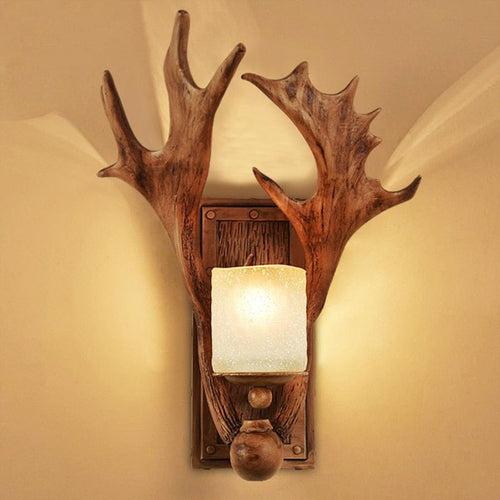
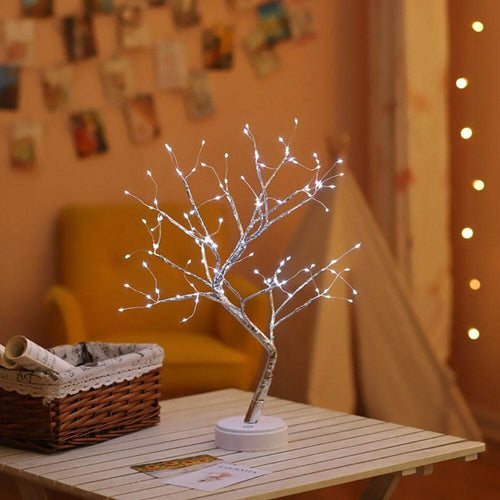
Check power and mounting before you fall for the photo. Most desk and night lamps in this collection run on USB or a built-in battery, so decide now where the cable goes; a lamp on a shelf with no socket behind it ends up on the floor. Ceiling pieces like the chandeliers and the helicopter fan lamp need a fitting, a drop measurement and, in most homes, someone comfortable with the wiring. Wall pieces need an anchor that suits your wall, since plasterboard and brick take completely different fixings.
The kids end of this collection deserves its own thought. Magnetic maths puzzles, wooden rainbow builders and the acrylic periodic table are decor that survives being handled, which is the only kind that stays in a child's room past one birthday. A plush floor lounger looks adorable in a photo and eats a surprising amount of floor, so measure before you commit. The genuine outlier is the flowing water bird bath fountain: that is garden decor, and it belongs outside rather than in a corner.
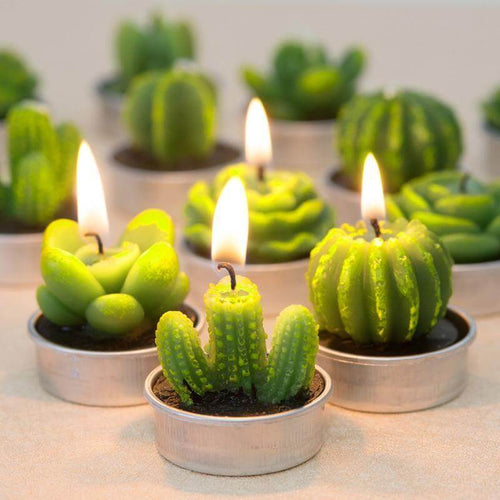
One rule keeps a corner from turning into a jumble. One statement piece, then quiet things around it. Two strong lights in the same eyeline cancel each other out, so if you already have a good lamp, add texture instead: a glass vase, a decorative mat, a sculpture with a matte finish that catches light without competing for it. And be honest about the novelty end of the shelf. A plasma lamp is genuinely fun for the first month and then it is a dust magnet, so buy it because you like looking at it, not because you expect to use it. Ratings and reviews sit on every product, and for decor they are worth reading closely, since photos flatter finishes in a way a buyer's phone camera does not.
Common questions
What can I put in an empty corner of a room?
One statement piece, then quiet things around it. A light with real shape does more than a cluster of small objects, so start with something like a wall sculpture, a lunar wall lamp or a feather chandelier, then add texture with a vase or a mat. Two strong lights in the same eyeline just cancel each other out.
Are moon lamps and LED night lights bright enough to read by?
No, and buying one for that job is the usual mistake. Moon lamps, levitating lamps and 3D night lights are ambient light: they give glow and shape. Keep a proper task lamp for reading and let the decorative one handle atmosphere.
Do these lamps need wiring?
Most desk and night lamps here run on USB or a built-in battery, so you only need to plan where the cable goes. Ceiling pieces like chandeliers and the helicopter fan lamp need a fitting, a drop measurement and someone comfortable doing the wiring. Wall pieces need the right anchor, since plasterboard and brick take different fixings.
What decor works in a kid's room without looking babyish?
Pieces that survive being handled. Magnetic maths puzzles, wooden rainbow builders and the acrylic periodic table look like decor on a shelf and still get pulled down and played with, which is why they last. Check your floor space before adding a plush lounger, because it takes more room than the photos suggest.
- Ambient lighting built as decor: moon lamps, plasma lamps, wall lights and feather chandeliers
- Sculptural pieces, vases and mats for shelves, desks and the corner that never fills
- Kids decor that doubles as play, including magnetic maths puzzles and wooden builders
- USB and battery lamps for spots with no socket behind them
- Ratings and reviews from buyers on every piece, picked across brands
